

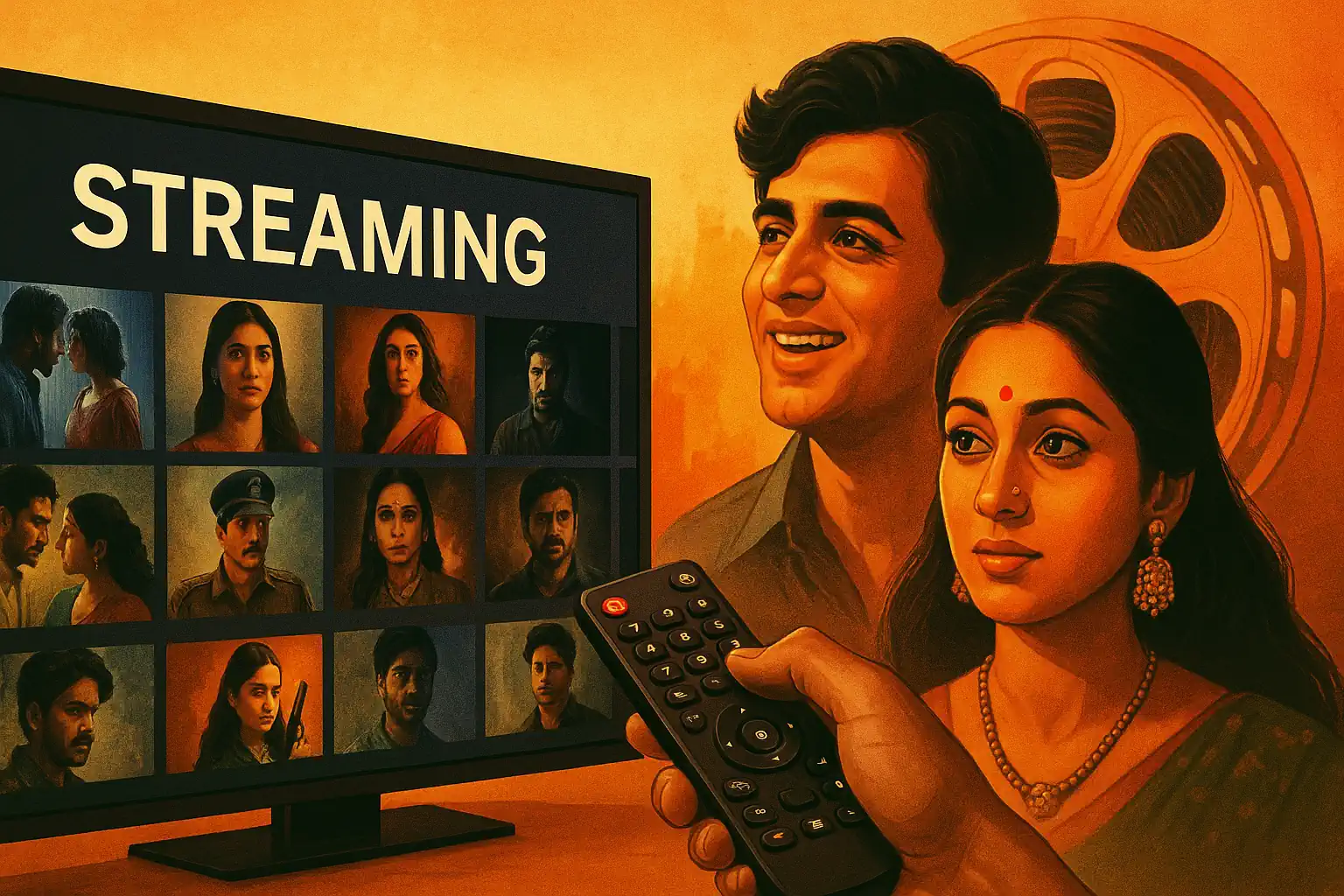
Bollywood’s storytelling map is shifting. Streaming platforms and film producers are increasingly setting narratives in India’s Tier-2 towns, with A-list actors headlining projects far from Mumbai’s gloss. The trend is redefining how Hindi cinema portrays everyday India and how streaming giants localise their content for deeper engagement.
Intent and Context: A Strategic and Cultural Shift
This topic is both industry analysis and cultural insight, making it evergreen with current relevance. The move towards Tier-2 storytelling reflects a fundamental industry strategy: to mirror where India’s next 300 million digital consumers live. From Ayodhya to Bhopal and Lucknow to Jamshedpur, these towns are no longer backdrops—they are narrative centers. Streaming platforms like Netflix, Prime Video, and Disney+ Hotstar, along with production houses like Excel Entertainment and Maddock Films, are building scripts around regional authenticity. For Bollywood stars, anchoring these localised narratives has become a way to stay culturally relevant and reach new audiences.
The Rise of Tier-2 India as a Cinematic Backdrop
Over the past five years, Bollywood and OTT platforms have expanded storytelling beyond metros. Series like Panchayat, Gullak, and Half CA captured small-town life with humor and heart. On the big screen, films such as Badhai Ho, Bareilly Ki Barfi, Shubh Mangal Zyada Saavdhan, and Satyaprem Ki Katha proved that relatable regional settings could drive box-office success. The audience’s appetite for realism and cultural specificity has made Tier-2 India the new creative playground. For producers, shooting in real locations like Varanasi, Indore, and Jodhpur also means lower production costs and fresher visuals.
Why Bollywood Stars Are Choosing Small-Town Roles
Major actors are no longer relying on extravagant metro backdrops to sell stories. Ayushmann Khurrana, Rajkummar Rao, Kriti Sanon, and Pankaj Tripathi have built their careers on characters rooted in small-town realities. Even big names like Akshay Kumar and Alia Bhatt have taken scripts centered around non-metropolitan lives in Raksha Bandhan and Gangubai Kathiawadi. This shift reflects a commercial truth: authenticity sells. For actors, it also offers creative depth—portraying characters who speak local dialects, navigate real-life aspirations, and face grounded social challenges. These performances connect across demographics, blending metro audiences’ curiosity with Tier-2 viewers’ relatability.
Streaming Platforms and the Localisation Play
OTT platforms are driving this localisation wave more aggressively than theatrical Bollywood. Netflix’s Jaane Jaan (set in Kalimpong), Prime Video’s Paatal Lok (inspired by small-town Delhi life), and SonyLIV’s Garmi (set in a fictional North Indian university) show how streaming services are mapping India’s cultural geography. These stories resonate because they reflect the social fabric—local politics, family structures, and linguistic nuances. Platforms have realised that audience growth now comes from Tier-2 and Tier-3 India, where viewers prefer content that reflects their own environment. As a result, OTT commissioning teams increasingly hire writers from regional backgrounds to ensure cultural accuracy in scripts and dialogues.
Localisation Beyond Language
Localisation in the OTT era isn’t limited to dubbing or subtitles—it’s about social tone and setting. Dialogues now include regional slang, clothing and food references are location-accurate, and local festivals replace generic urban imagery. When a Netflix show depicts Durga Puja in Dhanbad or a Disney+ Hotstar series captures a wedding in Ujjain, it isn’t decorative—it’s identity. This attention to regional detail builds emotional credibility, which is key to keeping viewers loyal. It also allows global platforms to claim authenticity in markets where audiences quickly reject “pan-India” stereotypes.
Economic and Cultural Implications of the Shift
The localisation boom has economic benefits beyond content engagement. It’s creating employment in smaller towns as production units hire local crews, artists, and vendors. States like Madhya Pradesh and Uttar Pradesh have introduced film policies offering location subsidies and tax rebates for OTT shoots. Culturally, it’s repositioning small-town India from a peripheral space to a central storyteller. Younger filmmakers from regional backgrounds are now entering the mainstream, armed with local insights that previously went unnoticed in Mumbai’s studio-driven ecosystem.
The Role of Streaming Data in Content Planning
Data analytics play a key role in shaping this shift. OTT platforms track user engagement down to the district level, helping identify emerging content zones. For example, Amazon Prime Video data showed high repeat watch rates in Lucknow, Indore, and Patna for family-oriented dramas, leading to more stories set in those regions. Platforms are using such insights to fine-tune not just settings but pacing, humor, and emotional tone to match local viewer psychology. The result is a data-backed creative localisation strategy that balances art with analytics.
What It Means for India’s Storytelling Future
The growing presence of Tier-2 narratives signifies that Bollywood and OTT platforms are evolving from aspirational storytelling to representative storytelling. India’s entertainment future will depend on how well creators reflect regional identities while maintaining universal appeal. By blending star power with cultural realism, Bollywood and streaming platforms are finally achieving what global industries like Korea and Spain mastered early: exporting authenticity. The age of cookie-cutter, metro-centric content is fading fast—and India’s smaller towns are scripting its replacement.
Takeaways:
- Bollywood and OTT platforms are increasingly anchoring stories in Tier-2 and Tier-3 India to reach new audiences.
- Localisation is expanding beyond language into cultural details, dialects, and social realism.
- Data-driven regional insights are guiding creative and production strategies for streaming platforms.
- This trend is redefining India’s entertainment economy and empowering regional talent ecosystems.
FAQs
Q: Why are OTT platforms focusing on small-town stories?
A: Tier-2 and Tier-3 cities account for the majority of new OTT subscribers, making localized storytelling essential for growth and retention.
Q: How are Bollywood stars adapting to this trend?
A: Actors are choosing grounded roles in regional settings that offer emotional realism and connect with diverse audiences.
Q: What’s the difference between localisation and regionalisation in OTT content?
A: Localisation adapts national stories with local tone and authenticity, while regionalisation builds stories natively rooted in specific linguistic or cultural zones.
Q: How does this impact India’s film economy?
A: It decentralises production, creates local jobs, and encourages smaller states to become filming hubs through incentives and infrastructure.











Leave a comment