

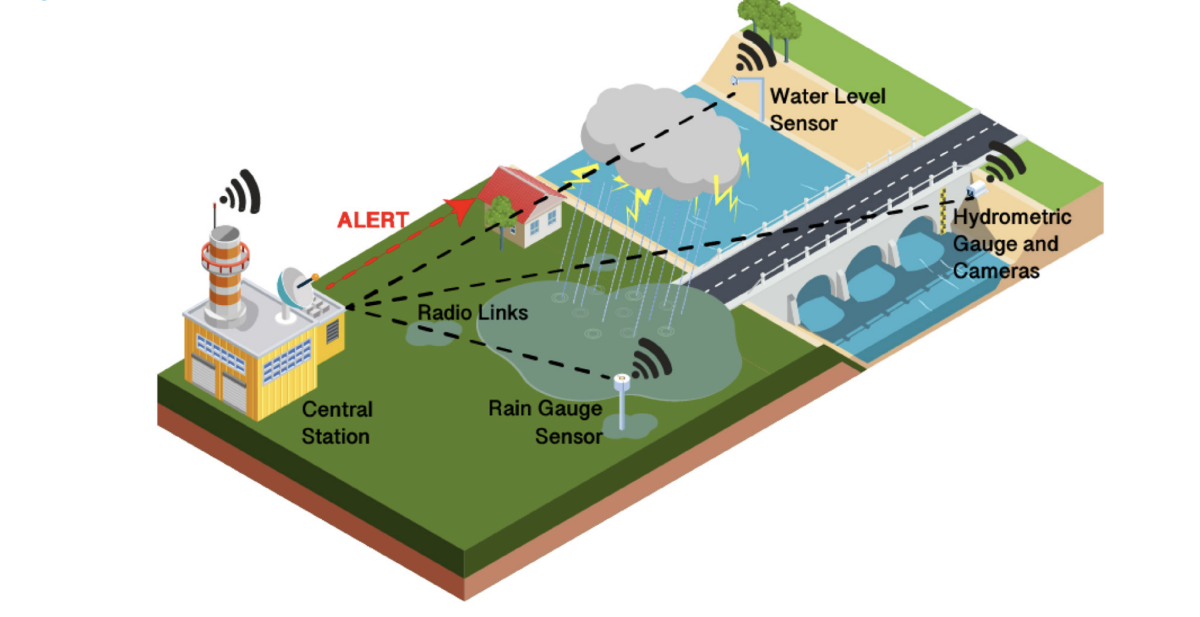
Tech adoption in cold wave response has moved from pilot projects to real impact in Odisha. During recent cold spells, IoT weather alerts helped districts act faster, protect vulnerable populations, and improve coordination, showing how data-driven governance can reduce climate-related risks at the local level.
Cold Wave Risk and Odisha’s Ground Reality
Tech adoption in cold wave response became critical for Odisha as winter temperatures dropped sharply across several districts. Unlike hill states, Odisha’s housing, health systems, and rural livelihoods are not designed for prolonged cold. Sudden temperature dips affect elderly populations, children, daily wage workers, and homeless communities the most. Earlier responses relied heavily on manual weather bulletins and delayed field reporting. This created gaps between warning issuance and ground action. The increasing frequency of extreme weather events pushed district administrations to experiment with technology that could provide real-time, localized data rather than broad forecasts.
What IoT Weather Alerts Actually Changed
IoT weather alerts introduced a shift from reactive to anticipatory response. Sensor-based weather stations installed at block and panchayat levels transmitted temperature, humidity, and wind data continuously. These alerts were not limited to state capitals. District control rooms received localized warnings when temperatures approached critical thresholds. This allowed officials to activate response protocols before conditions worsened. Schools, health centers, and shelter homes received early instructions. Instead of waiting for visible distress, administrations could act based on predictive signals.
District-Level Decision Making Improved by Data
One of the most important outcomes was improved district-level decision making. Earlier, collectors depended on generalized forecasts that did not reflect microclimates. With IoT alerts, districts could prioritize vulnerable pockets such as tribal belts, coastal interiors, and high-exposure rural zones. Temporary shelters were opened selectively instead of blanket announcements. Distribution of blankets and warm clothing became more targeted. Health departments were alerted to prepare for cold-related illnesses like hypothermia and respiratory complications. This precision reduced wastage and improved response efficiency.
Integration With Disaster and Health Systems
The success of IoT alerts came from integration rather than isolation. Weather data was linked with disaster management dashboards and public health systems. District emergency operations centers monitored alerts alongside ambulance availability, shelter capacity, and hospital readiness. When temperature thresholds were breached, automated notifications were triggered for frontline workers. Anganwadi staff, ASHA workers, and local volunteers received alerts through mobile platforms. This ensured that information reached the last mile quickly, even in remote villages.
Role of Local Officials and Expert Input
Technology alone did not drive outcomes. Training and interpretation played a key role. District officials were guided on how to read sensor data and translate it into action. Experts helped define temperature thresholds relevant to Odisha’s population rather than using generic national benchmarks. This localized calibration improved accuracy. Officials learned to combine weather alerts with ground indicators such as school attendance drops and health complaints. This blend of data and human judgment strengthened trust in the system.
Impact on Vulnerable Communities
The most visible impact of IoT-led cold wave response was on vulnerable communities. Homeless populations in urban pockets received earlier access to night shelters. Elderly residents in rural areas were identified through local health networks. Fisherfolk and agricultural workers received advisories on exposure risks. By acting early, districts reduced cold-related distress cases. While cold waves cannot be prevented, their human impact was mitigated through preparedness rather than emergency reaction.
Challenges in Scaling and Reliability
Despite positive outcomes, challenges remain. Sensor maintenance in rural areas requires consistent technical support. Connectivity gaps can delay data transmission during extreme weather. Some districts still rely on hybrid systems combining manual and automated inputs. Data interpretation skills vary across administrative teams. Scaling IoT infrastructure across all blocks demands sustained funding and institutional ownership. These issues highlight that tech adoption is not a one-time deployment but an ongoing capacity-building exercise.
What This Means for Climate Resilience
Odisha’s experience shows how technology can strengthen climate resilience at the district level. IoT weather alerts provide a template for managing not just cold waves but heatwaves, cyclones, and floods. The key lesson is localization. When data reflects ground realities and is linked to clear response protocols, technology becomes actionable. For other states, Odisha’s model demonstrates that smart governance does not require complex systems but smart integration of data, people, and process.
Future Scope for Tech-Led Weather Response
Looking ahead, integrating IoT alerts with predictive analytics and community communication platforms could further enhance outcomes. Automated voice alerts in local languages, integration with school management systems, and linkage with social welfare databases can deepen impact. The cold wave response has shown that when technology reaches the district and village level, it directly influences lives. The focus now must shift from pilots to permanence.
Takeaways
IoT weather alerts enabled early and localized cold wave response in Odisha
District administrations shifted from reactive to anticipatory action
Integration with health and disaster systems amplified impact
Sustained training and maintenance are critical for long-term success
FAQs
What are IoT weather alerts?
They use sensor networks to collect and transmit real-time local weather data for timely warnings.
How did these alerts help Odisha districts during cold waves?
They enabled early action, targeted relief distribution, and better protection of vulnerable groups.
Are IoT systems reliable in rural areas?
They are effective but require regular maintenance and connectivity support to remain reliable.
Can this model be used for other climate risks?
Yes, the same framework can support heatwave, flood, and cyclone preparedness.











Leave a comment