

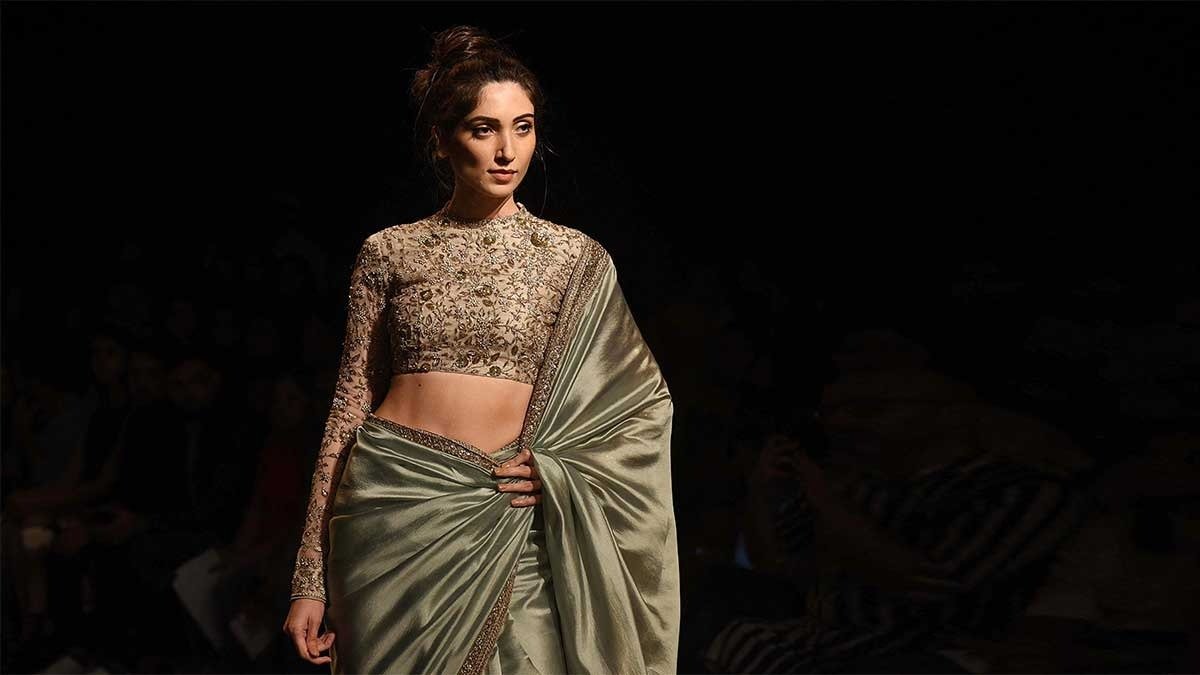
Regional saree styles are witnessing a sharp revival as Gen Z creators showcase traditional drapes on short form video apps. What was once seen as occasional festive wear is now entering daily fashion conversations through reels, transitions and regional storytelling formats.
Regional saree styles are trending strongly among Gen Z users on short form video apps, turning traditional drapes into viral fashion statements. The resurgence is not accidental. It reflects a broader cultural shift where young Indians are reclaiming regional identity through clothing, language and music. Sarees that were once associated primarily with weddings and family ceremonies are now featured in campus shoots, street style edits and influencer collaborations.
The trend analysis shows that social media has reduced the distance between tradition and youth culture. Short form videos allow creators to demonstrate draping techniques, styling hacks and budget shopping options in under a minute. This format makes regional fashion accessible and repeatable.
Short Form Video Apps Fueling Saree Trends
Short form video apps have changed fashion discovery patterns. Algorithms prioritize visual storytelling, transitions and transformation videos. A creator can move from casual wear to a traditional saree look within seconds, generating high engagement. This format works particularly well for regional saree styles because draping itself becomes performance content.
Hashtags linked to traditional weaves, handloom fashion and regional pride have accumulated millions of views across platforms. Young users are not only showcasing bridal looks but also experimenting with fusion styling. Sneakers with cotton sarees, belts over silk drapes and crop tops replacing blouses are common reinterpretations.
The visibility of such content has influenced purchasing behavior. Online searches for handloom sarees and regional textiles often spike during festive seasons and college cultural events. The digital push is amplifying demand for weaves that were previously limited to local markets.
Revival of Handloom and Regional Weaves
The regional fashion renaissance is closely tied to renewed interest in handloom and indigenous textiles. Sarees such as Banarasi, Kanjeevaram, Paithani, Chanderi and Sambalpuri have gained visibility among young audiences. Many creators highlight the history and craftsmanship behind these weaves, adding educational context to style videos.
Government initiatives promoting handloom clusters and vocal for local campaigns have also strengthened awareness around indigenous fabrics. While Gen Z may discover a saree trend through a reel, they often follow up with research about origin, weaving techniques and price range.
Importantly, this revival is not limited to metropolitan cities. College students in Tier 2 cities are organizing traditional day events where sarees dominate. Social media documentation of these events further amplifies the cycle. The result is a feedback loop where digital validation supports local textile industries.
Identity, Language and Cultural Confidence
Gen Z fashion choices increasingly reflect regional identity. Wearing a saree in a college corridor or urban cafe signals cultural confidence rather than conformity. Creators often pair saree videos with regional music tracks, poetry or dialect captions. This reinforces pride in local language and heritage.
The saree trend also intersects with feminist expression. Many young women frame saree styling as reclaiming comfort in traditional attire on their own terms. Instead of adhering strictly to older draping norms, they experiment with silhouettes that suit mobility and personal taste.
Men and non binary creators are also participating by exploring draped garments in experimental shoots. This expands the saree conversation beyond gendered expectations. Short form platforms encourage such experimentation because virality often rewards novelty and authenticity.
Influencer Economy and Brand Collaborations
Brands have quickly recognized the commercial potential of this saree resurgence. Direct to consumer labels, handloom startups and regional boutiques collaborate with micro influencers who have strong engagement within niche communities. Unlike celebrity endorsements, these collaborations feel relatable and drive trust.
Affiliate links and styling tutorials convert views into measurable sales. Some creators break down saree costs, sourcing details and tailoring expenses, making the buying process transparent. This data driven approach aligns with Gen Z purchasing habits, which prioritize value and storytelling.
Offline impact is equally visible. Pop up exhibitions and college flea markets report increased demand for lightweight traditional drapes suitable for everyday wear. The saree is gradually moving from ceremonial wardrobe to versatile fashion staple.
Challenges and Sustainability Questions
While the trend appears positive, sustainability remains a key issue. Fast fashion replicas of traditional weaves are entering the market at lower prices. These machine made alternatives often mimic authentic designs without supporting original artisan communities.
Educated consumers are beginning to differentiate between pure handloom and synthetic blends. Informational content explaining GI tags and weave identification is gaining traction. This suggests that the regional fashion renaissance may evolve toward more conscious buying patterns.
If sustained responsibly, the trend can strengthen artisan livelihoods and preserve textile heritage. The digital spotlight must translate into fair compensation for weavers and transparent supply chains.
Takeaways
Regional saree styles are trending strongly among Gen Z on short form video apps.
Handloom and indigenous weaves are gaining renewed visibility through digital storytelling.
Saree styling now blends tradition with fusion fashion suited for everyday wear.
Sustainability and authentic sourcing will determine the long term impact of this revival.
FAQs
Q1. Why are sarees trending among Gen Z?
Sarees are trending because short form video apps make draping visually engaging and allow creators to express regional identity in modern, relatable ways.
Q2. Which regional saree styles are popular online?
Banarasi, Kanjeevaram, Paithani, Chanderi and Sambalpuri sarees are frequently featured in reels and styling tutorials across platforms.
Q3. Is this trend limited to big cities?
No. College events and local influencers in Tier 2 and Tier 3 cities are actively contributing to the saree revival through social media content.
Q4. How can buyers ensure authenticity in handloom sarees?
Buyers can check for certified handloom marks, GI tags where applicable and purchase from verified sellers or artisan cooperatives.









Leave a comment