

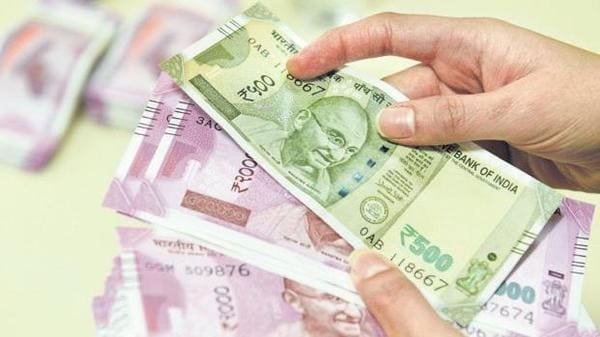
Rupee volatility is quietly influencing how Indian millennials plan travel, shop online, invest, and manage monthly budgets. Currency fluctuations are not just macroeconomic headlines. They are shaping everyday financial behavior across urban and semi urban households.
Rupee volatility has become a recurring theme in India’s economic landscape, particularly during periods of global uncertainty, oil price swings, and shifting capital flows. For Indian millennials, who are now in their late twenties to early forties, currency movements translate into higher import costs, fluctuating fuel prices, and changing travel budgets. While the rupee does not directly dictate every spending decision, its ripple effects are increasingly visible in lifestyle choices, savings patterns, and consumption priorities.
Understanding Rupee Volatility and Its Real Impact
The Indian rupee operates in a managed float system, meaning its value is influenced by market forces but occasionally stabilized through policy interventions. When the rupee weakens against the US dollar, imported goods become more expensive. This includes electronics, fuel, certain food items, and international services.
For millennials, this shift often appears as rising prices for smartphones, laptops, streaming subscriptions billed in foreign currency, and international travel expenses. Fuel price increases indirectly raise costs across categories, from food delivery to airline tickets.
Unlike older generations who focused heavily on savings, millennials balance consumption with long term financial planning. As a result, currency volatility triggers adjustments rather than panic. Spending slows in discretionary categories, while essentials remain stable.
Travel and Experience Spending Under Currency Pressure
Travel is one of the most visible lifestyle categories affected by rupee volatility. When the rupee weakens, international travel becomes significantly more expensive. Airfare, hotel bookings, and visa expenses are often linked to foreign currencies.
Many millennials respond by postponing foreign trips or shifting to domestic tourism. Destinations within India see increased interest during periods of rupee depreciation. This behavioral shift benefits local hospitality sectors in Tier 2 and Tier 3 cities.
Another trend is early booking. Anticipating currency movement, financially aware travelers lock in flight tickets and hotel rates in advance. Some also use travel focused credit cards that offer reward points or forex fee reductions. These strategies indicate higher financial literacy compared to earlier decades.
At the same time, experience driven spending does not disappear. Instead, it becomes more value oriented. Millennials look for discounts, cashback offers, and budget friendly itineraries rather than abandoning leisure altogether.
Consumer Electronics and Imported Goods Spending
Electronics and gadgets are heavily influenced by currency movements because many components are imported. When the rupee weakens, smartphone and laptop prices often rise. Millennials, who rely on digital tools for work and entertainment, feel this impact quickly.
Instead of frequent upgrades, some consumers extend device usage cycles. Others wait for festive sale periods to offset higher base prices with discounts. Buy now pay later options and zero interest EMI schemes gain traction during volatile periods.
Fashion and lifestyle products from international brands also see demand adjustments. Consumers compare local alternatives more actively. Indian brands often benefit when imported goods become costlier.
This shift does not imply reduced aspiration. It reflects adaptive consumption. Millennials remain brand conscious but prioritize price to value ratios more carefully when currency pressure builds.
Investment Behavior and Financial Planning Adjustments
Rupee volatility also influences investment choices. When the currency weakens, gold and certain export oriented equities often attract attention. Millennials who invest through mutual funds or direct equity platforms track these macro signals more closely than previous generations.
Systematic investment plans remain popular because they smooth out market volatility. Rather than attempting to time currency movements, many investors prefer disciplined monthly contributions.
Some millennials explore international diversification through global mutual funds or exchange traded funds. Ironically, a weaker rupee can make foreign investments more expensive initially, but long term exposure to global markets is seen as a hedge.
Emergency funds gain importance during volatile periods. Financial advisors consistently recommend maintaining liquidity equivalent to several months of expenses. Currency fluctuations reinforce the importance of this cushion.
Urban vs Semi Urban Spending Patterns
The impact of rupee volatility differs across geographies. Urban millennials with higher disposable incomes may absorb price increases more comfortably. In contrast, semi urban households tend to feel fuel and commodity inflation more directly.
In Tier 2 cities, lifestyle upgrades often occur gradually. When costs rise due to currency effects, discretionary spending such as dining out or premium subscriptions is adjusted first. However, digital adoption remains strong across both segments.
Online price comparison tools, cashback platforms, and discount aggregators see increased usage during volatile periods. Millennials actively optimize spending rather than reducing consumption across the board.
Long Term Outlook: Adaptation Over Reaction
Millennial financial behavior shows a pattern of adaptation rather than emotional reaction. Rupee volatility influences choices, but it rarely triggers abrupt lifestyle downgrades. Instead, spending becomes strategic.
Subscription sharing, advance booking, bulk purchasing during sales, and diversified investments are common tactics. The generation that grew up during liberalization and rapid digital expansion is comfortable navigating financial complexity.
Over time, consistent currency swings have normalized macroeconomic awareness. Discussions about exchange rates are no longer limited to economists. They are part of everyday financial conversations among working professionals.
Takeaways
• Rupee volatility affects travel, electronics, and lifestyle spending among millennials
• Domestic tourism often rises when international travel becomes expensive
• Financial planning tools such as SIPs and emergency funds gain importance during volatile periods
• Millennials adapt spending patterns strategically rather than reacting impulsively
FAQs
How does rupee volatility affect everyday spending
A weaker rupee increases the cost of imported goods and fuel, which indirectly raises prices for travel, electronics, and some services.
Do millennials reduce lifestyle spending during currency fluctuations
They usually adjust rather than eliminate spending. Many shift to domestic travel, delay upgrades, or look for discounts.
Does rupee depreciation impact investments
Yes. It can influence stock market performance, gold demand, and interest in global investment options.
Are Tier 2 cities more affected by currency swings
Semi urban households may feel price changes more directly due to tighter budgets, but digital tools help them manage expenses efficiently.












Leave a comment