

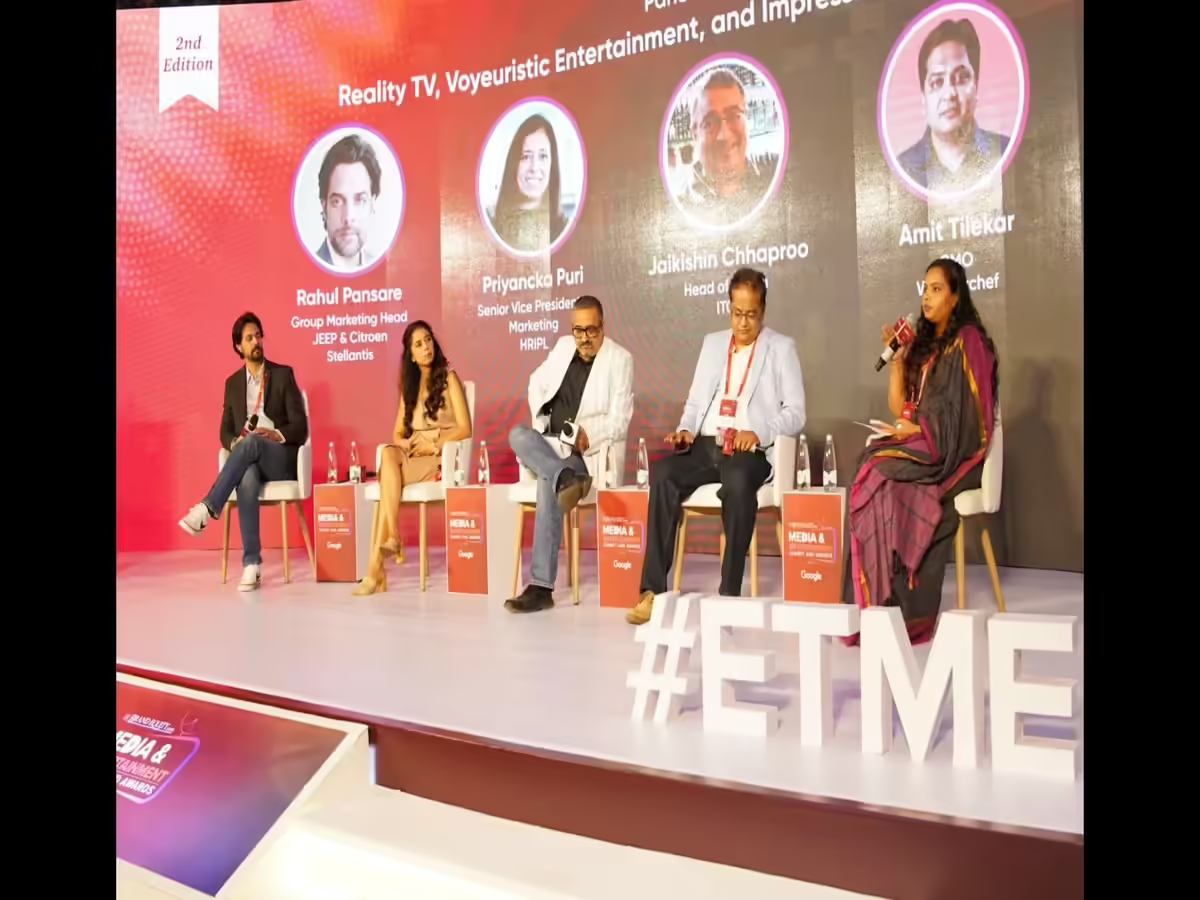
Reality TV casting trends in India are increasingly shaped by social culture, regional identity and digital influence. OTT platforms and television networks are betting on formats rooted in real communities, everyday struggles and relatable personalities to capture attention in a crowded content market.
India’s entertainment ecosystem is undergoing a clear shift. The dominance of scripted fiction is being challenged by unscripted formats that feel immediate and culturally grounded. From talent hunts in small towns to dating shows reflecting urban youth values, casting strategies are now driven by authenticity rather than celebrity presence alone.
The boom is not accidental. It is the result of changing viewer behavior, mobile-first consumption and the rise of social media personalities who already carry built-in audiences.
The Shift From Glamour to Grounded Personalities
Earlier reality formats focused heavily on glamour, known faces or dramatic conflict. Today, casting directors are prioritizing individuals who represent specific social communities. Contestants include regional artists, local entrepreneurs, stand-up comics, content creators and everyday professionals.
This reflects a broader trend in OTT content strategy. Platforms are competing not just on story but on relatability. A singer from a Tier 2 city or a farmer innovating with local techniques connects more deeply with audiences than a polished but distant personality.
Viewers increasingly reward authenticity. Social media engagement data shows that contestants who speak local dialects or openly discuss social issues often trend higher than conventionally glamorous participants.
Rise of Regional Representation in Reality Shows
Regional OTT growth has directly influenced casting trends. Platforms have expanded aggressively in Tamil, Telugu, Bengali, Marathi and Bhojpuri markets. This has created demand for culturally rooted formats and region-specific talent pools.
Reality formats now highlight folk music, local dance traditions, regional entrepreneurship and hyperlocal dating cultures. Casting teams conduct on-ground auditions in smaller cities rather than relying only on metro-based agencies.
This decentralization of talent sourcing aligns with subscription growth patterns outside metros. As internet penetration increases in Tier 2 and Tier 3 markets, audiences want to see people who resemble their own communities.
The success of regional reality shows has also reduced dependency on Hindi-dominated casting. Cultural specificity is becoming a strength, not a limitation.
Influencer Economy Reshaping Casting Decisions
The influencer economy has significantly altered how contestants are selected. Many reality participants now enter shows with pre-existing digital followings on Instagram, YouTube or short video platforms.
This strategy serves two purposes. First, it ensures built-in promotional traction. Second, it aligns with younger viewers who consume personality-driven content daily.
However, casting teams are not simply chasing follower counts. Engagement quality, niche positioning and relatability matter more than raw numbers. A regional food vlogger with strong community loyalty may be preferred over a generic lifestyle influencer.
This crossover between social media trends and TV casting reflects a structural shift. Traditional audition pipelines now run parallel to digital talent scouting.
Social Issues as Narrative Anchors
Another key trend is the integration of social themes into reality formats. Shows are structured around entrepreneurship, rural innovation, financial literacy, gender roles and even climate awareness.
Casting is therefore purpose-driven. Producers look for contestants who embody specific social narratives. For example, women leading small businesses, youth navigating gig economy careers or artists preserving indigenous crafts.
This approach increases emotional investment. Viewers see representation of real challenges rather than manufactured drama.
OTT platforms especially benefit from this model because their audiences expect more nuanced storytelling compared to conventional television formats.
Youth Culture and Value Alignment
Gen Z and millennial viewers prefer content that mirrors their worldview. This includes inclusivity, mental health awareness, career flexibility and social mobility.
Reality TV casting now reflects these values. Contestants openly discuss therapy, financial struggles, unconventional relationships and career pivots.
Dating and relationship formats, in particular, have evolved. Participants represent diverse professions, regional backgrounds and lifestyle choices. This expands audience identification.
Youth-centric casting also improves shareability. Clips discussing real-life dilemmas circulate widely on social media, driving organic reach.
Economics Behind the Boom
From a business perspective, socially anchored reality formats are cost-effective. Production budgets are lower compared to high-end scripted dramas. Yet engagement levels are often higher.
Casting non-celebrities reduces upfront costs while enabling long-term monetization through brand integrations and sponsorships tied to social themes.
Advertisers prefer shows that reflect aspirational yet relatable narratives. A startup founder from Indore pitching on a reality platform resonates strongly with emerging consumer markets.
This alignment of casting strategy with advertising logic makes the format commercially sustainable.
Platform Algorithms and Viewer Feedback Loops
OTT platforms analyze watch time, drop-off points and social sentiment. Casting strategies are increasingly data-informed.
If regional contestants or socially driven narratives deliver higher completion rates, producers adjust accordingly in subsequent seasons.
This real-time feedback loop was not possible in traditional television. Digital distribution allows experimentation with diverse casting pools and rapid format evolution.
As data intelligence improves, expect even more precise alignment between social trends and casting decisions.
Takeaways
Authenticity and regional identity now drive reality TV casting decisions
Influencers and digital creators are increasingly entering mainstream reality formats
Social issues and relatable narratives improve audience engagement
OTT data analytics is shaping more targeted casting strategies
FAQs
Q1. Why are socially rooted reality shows becoming more popular?
Audiences prefer relatable content that reflects real communities and current social realities. This increases emotional connection and shareability.
Q2. Are influencers replacing traditional contestants?
Not entirely. Influencers are part of the mix, but casting teams still prioritize authenticity and engagement quality over follower numbers.
Q3. How do Tier 2 cities influence reality TV trends?
Growing internet access and subscription growth in smaller cities have expanded the talent pool and increased demand for regional representation.
Q4. Is this trend limited to OTT platforms?
No. Television networks are also adapting casting strategies, but OTT platforms move faster due to data-driven insights and flexible formats.








Leave a comment