

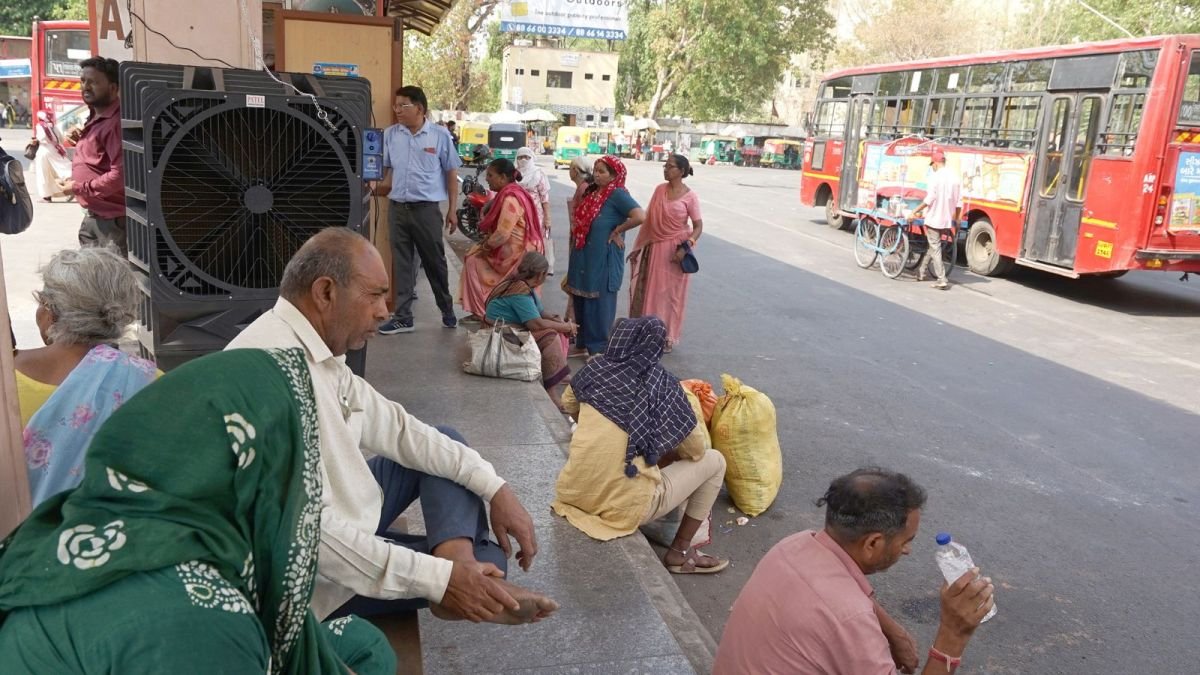
Ahmedabad’s unseasonal heat spike has raised concerns across Gujarat as temperatures climb earlier than expected. The sudden rise is impacting water demand, electricity consumption and public health preparedness in one of western India’s fastest growing urban centers.
Ahmedabad’s unseasonal heat spike has brought unusually high temperatures well before the typical peak summer months, placing stress on water supply systems, power infrastructure and public health services. When temperatures rise sharply outside the normal seasonal pattern, cities face compounded risks because preparation cycles are often aligned with traditional summer timelines. For Ahmedabad, which already experiences intense heat waves during May and June, an early spike demands rapid response from civic authorities and residents alike.
Temperature deviations from seasonal averages are not uncommon in recent years, but their frequency has increased.
Understanding the Early Heat Pattern in Gujarat
Ahmedabad typically records its highest temperatures between late April and June, often crossing 40 degrees Celsius. An unseasonal spike refers to a sudden increase in maximum temperatures earlier in the year, sometimes accompanied by dry winds and low humidity.
Such temperature anomalies may be linked to broader climatic shifts, reduced cloud cover and changing wind patterns. When winter transitions quickly into summer like conditions, urban heat intensifies due to concrete surfaces and limited green cover.
The urban heat island effect further amplifies warming in dense areas. Asphalt roads and high rise buildings absorb heat during the day and release it slowly at night, preventing adequate cooling. This keeps nighttime temperatures elevated, increasing discomfort and health risks.
Impact on Water Supply and Urban Demand
An early heat spike in Ahmedabad directly affects water consumption patterns. As temperatures climb, households increase water usage for drinking, bathing and cooling. Commercial establishments and construction sites also raise their daily water demand.
Municipal water supply systems are typically calibrated for gradual seasonal escalation. When temperatures rise abruptly, reservoirs and distribution networks may face sudden pressure. Areas dependent on groundwater may experience faster depletion if extraction intensifies.
In cities like Ahmedabad, water management requires coordination between surface water sources and groundwater recharge systems. If unseasonal heat persists, authorities may need to implement supply rotation or advisories to conserve usage.
Higher evaporation rates from lakes and open reservoirs can also reduce available storage over time, particularly if rainfall patterns do not compensate later in the year.
Electricity Consumption and Power Grid Stress
Unseasonal heat spikes increase electricity consumption as households switch on air conditioners, coolers and fans earlier than expected. Commercial complexes, IT offices and hospitals similarly ramp up cooling systems.
This surge in demand can strain the power grid, especially if peak loads exceed projected estimates. Electricity distribution companies often prepare for summer demand spikes beginning in late April. An early increase requires rapid load management and adequate generation availability.
High electricity usage not only affects grid stability but also raises monthly utility bills for consumers. Lower income households may struggle to manage higher cooling costs, creating disparities in comfort and safety.
Power outages during heat waves can worsen public health risks, particularly for elderly residents and patients dependent on medical equipment.
Public Health Risks and Heat Related Illness
Heat exposure can cause dehydration, heat exhaustion and heat stroke, especially among outdoor workers, children and senior citizens. When temperatures rise suddenly, the human body has less time to acclimatize, increasing vulnerability.
Ahmedabad has historically implemented heat action plans during peak summer months. These plans include early warning systems, public advisories, cooling centers and training for healthcare workers. An unseasonal heat spike tests the readiness of these mechanisms earlier than planned.
Schools and workplaces may need to adjust schedules to reduce afternoon exposure. Hydration awareness campaigns and access to shaded public spaces become critical preventive measures.
Urban populations with limited access to cooling devices are at higher risk. Informal settlements often face additional challenges such as tin roofing, which traps heat and raises indoor temperatures significantly.
Urban Planning and Long Term Adaptation
The recurrence of early heat events highlights the need for climate resilient urban planning. Expanding green cover, protecting water bodies and promoting reflective roofing materials can mitigate heat accumulation.
Ahmedabad has previously adopted climate adaptation strategies, including tree plantation drives and improved building design guidelines. However, sustained implementation and community participation are necessary to create measurable impact.
Rainwater harvesting systems and decentralized water storage can strengthen resilience during prolonged dry spells. Similarly, promoting energy efficient cooling technologies can reduce strain on the power grid.
Long term solutions require integrating climate data into infrastructure planning and revising seasonal preparedness frameworks.
Takeaways
Ahmedabad’s unseasonal heat spike is increasing pressure on water supply and electricity demand
Urban heat island effects amplify temperature rise in densely built areas
Public health risks such as heat exhaustion and dehydration require early intervention
Climate resilient planning and resource management are essential for long term adaptation
FAQs
Q1. What causes an unseasonal heat spike in Ahmedabad?
It can result from changing wind patterns, reduced cloud cover and broader climate variability that push temperatures above seasonal averages.
Q2. How does early heat affect water supply?
Higher temperatures increase consumption and evaporation, putting additional pressure on municipal reservoirs and groundwater sources.
Q3. Why does electricity demand rise sharply during heat spikes?
Households and businesses use more cooling appliances, leading to higher peak power loads on the grid.
Q4. What precautions should residents take during extreme heat?
Staying hydrated, avoiding direct sun exposure during peak hours and using shaded or cooled spaces can reduce health risks.










Leave a comment