

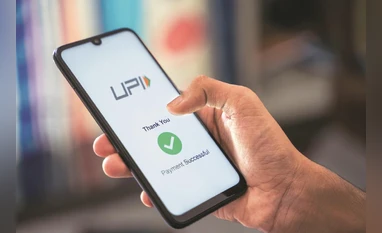
BHIM UPI adoption at heritage sites has become a visible policy and infrastructure push, especially in cities like Varanasi, Udaipur, and smaller pilgrim towns. The initiative aims to make digital payments accessible to tourists, vendors, and temple economies while reducing cash dependency in high footfall locations.
Why BHIM UPI Expansion at Heritage Sites Matters Now
BHIM UPI is no longer limited to urban retail or e commerce transactions. Its expansion into heritage and pilgrimage locations reflects how digital payments are being embedded into everyday public life. Cities such as Varanasi and Udaipur receive millions of domestic and international visitors annually. These destinations have dense clusters of small vendors, priests, boat operators, guides, and local transport providers who traditionally relied on cash.
The push toward BHIM UPI at heritage sites is driven by two realities. First, tourist spending is increasingly digital. Second, cash handling in crowded areas raises logistical and security challenges. By enabling QR based payments at ghats, temple corridors, monuments, and markets, authorities aim to simplify transactions while improving transparency.
How BHIM UPI Is Being Implemented on the Ground
Implementation focuses on last mile adoption rather than headline announcements. In cities like Varanasi, vendors along the ghats, flower sellers, boatmen, and prasad counters have been encouraged to display BHIM UPI QR codes. In Udaipur, heritage palace areas, lakeside vendors, and handicraft markets are part of the rollout.
Local banks and payment service providers conduct onboarding camps where merchants are assisted with QR setup, basic digital literacy, and grievance redressal. In smaller pilgrim towns, district administrations often coordinate with temple trusts and municipal bodies to standardize digital payment acceptance within premises.
The emphasis is on interoperability. BHIM UPI allows payments from any UPI enabled app, reducing friction for visitors and avoiding platform dependency.
Impact on Pilgrim Town Economies and Small Vendors
For small vendors, digital payments reduce the need to manage change, store cash, or make frequent bank visits. Daily settlements through UPI improve cash flow predictability. This is particularly important in pilgrim towns where earnings fluctuate sharply based on festivals and seasons.
Temple donations through UPI are another significant shift. Digital donation counters and QR based offerings create a transaction trail that helps temple administrations manage funds more efficiently. For towns with limited banking infrastructure, this reduces leakage and improves accountability.
However, adoption is uneven. Older vendors and those operating in temporary setups often remain hesitant. Network reliability and smartphone access continue to influence usage patterns, especially in smaller towns.
Challenges in Digital Payments at Heritage Locations
Connectivity remains the most practical constraint. Heritage sites often have high density footfall but inconsistent mobile networks. Payment delays during peak hours can frustrate both vendors and visitors. Power availability for charging devices is another overlooked issue in older market areas.
Trust is also a factor. Some vendors worry about failed transactions or delayed settlements, while some pilgrims prefer cash for religious offerings. Addressing these concerns requires sustained handholding rather than one time training drives.
Cyber awareness is another gap. Vendors unfamiliar with digital fraud risks can be vulnerable to social engineering scams. Awareness campaigns now increasingly focus on safe UPI practices alongside adoption.
What This Means for Tourists and Visitors
For tourists, BHIM UPI availability simplifies spending across multiple touchpoints without carrying cash. Domestic travelers benefit from seamless payments, while international tourists using UPI linked wallets experience smoother transactions.
In practical terms, visitors can pay for boat rides, entry tickets, local transport, food, and souvenirs using a single payment method. This improves overall visitor experience and reduces transaction friction in crowded spaces.
Over time, standardized digital payment acceptance can help heritage cities present a more organized and transparent economic environment.
Long Term Significance for Tier Two and Tier Three Cities
The expansion of BHIM UPI at heritage sites signals a broader shift in how digital public infrastructure is deployed beyond metros. Pilgrim towns often act as economic anchors for surrounding rural regions. Normalizing digital payments here accelerates financial inclusion across wider geographies.
It also creates data visibility into tourism driven micro economies, helping local administrations plan infrastructure, sanitation, and crowd management more effectively.
As adoption stabilizes, heritage cities may become case studies for digital first local economies that blend tradition with modern payment systems.
Takeaways
- BHIM UPI adoption at heritage sites targets high footfall, cash heavy local economies.
- Small vendors benefit from easier settlements and reduced cash handling risks.
- Connectivity and digital literacy remain key challenges in smaller pilgrim towns.
- The initiative strengthens digital public infrastructure beyond metro cities.
FAQs
Why is BHIM UPI being promoted at heritage and pilgrimage sites?
These locations see large daily transactions, making them ideal for reducing cash dependency and improving transaction efficiency.
Can all UPI apps be used at BHIM QR codes?
Yes, BHIM UPI QR codes are interoperable and accept payments from any UPI enabled app.
Are temple donations allowed through UPI?
Many temples now accept donations through UPI, offering digital receipts and better fund management.
What are the main hurdles for UPI adoption in small towns?
Network reliability, smartphone access, and digital awareness are the primary challenges.











Leave a comment