

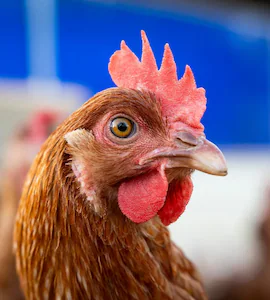
The Bihar bird flu advisory has prompted district administrations to activate surveillance and containment protocols across smaller towns. With poultry farming and backyard rearing common in semi-urban areas, local health infrastructure is under pressure to respond quickly and prevent wider transmission.
The Bihar bird flu advisory comes amid confirmed or suspected avian influenza cases in parts of the state, triggering preventive measures under national animal health guidelines. Avian influenza primarily affects birds, especially poultry, but certain strains such as H5N1 have historically infected humans through close contact with infected birds. While human infections remain rare, the advisory reflects a precautionary approach aimed at early containment. For smaller towns where poultry trade is a livelihood driver, preparedness depends heavily on district-level veterinary services and public health coordination.
Surveillance and Containment in District-Level Health Systems
Following the Bihar bird flu advisory, district administrations have intensified surveillance in poultry farms, live bird markets, and backyard clusters. Veterinary teams are conducting sampling, monitoring unusual bird deaths, and isolating suspected cases. Under standard protocol, if infection is confirmed, culling within a defined radius is carried out to prevent spread.
In smaller towns, the challenge lies in manpower and laboratory access. Many districts rely on state-level laboratories for confirmatory testing, which can slow decision-making. To counter this, rapid response teams have been constituted at the district level, combining animal husbandry officials, municipal authorities, and health workers. Their role includes tracking poultry movement, disinfecting affected zones, and enforcing temporary restrictions on bird sales where required.
These steps align with national avian influenza action plans that emphasize early detection and coordinated containment.
Impact on Local Poultry Markets and Livelihoods
Poultry farming is a significant source of income in Bihar’s semi-urban and rural belts. Smaller towns often function as trading hubs, connecting village-level producers to urban markets. The Bihar bird flu advisory has led to heightened caution among consumers, sometimes affecting demand for chicken and eggs even in unaffected areas.
To prevent panic-driven economic losses, local administrations are conducting awareness campaigns clarifying that properly cooked poultry products are safe. Health officials have reiterated that avian influenza does not spread through consumption of well-cooked meat or eggs. This messaging is crucial in smaller towns where misinformation can travel quickly through informal networks and social media.
Authorities are also monitoring illegal transportation of poultry across district borders, as uncontrolled movement can accelerate outbreaks. Temporary checks at transport points are being used to verify health certifications.
Role of Public Health Infrastructure and Primary Health Centres
The public health response under the Bihar bird flu advisory extends beyond animal health. Primary Health Centres and district hospitals have been instructed to remain alert for individuals reporting flu-like symptoms with recent exposure to sick birds. Although human transmission is uncommon, early identification is essential.
In smaller towns, PHCs serve as the first point of contact. Doctors and frontline workers are being advised to record exposure history and refer suspected cases for testing as per central health guidelines. Isolation protocols, use of personal protective equipment by culling teams, and community-level awareness drives are part of the preparedness framework.
The capacity of local health infrastructure varies widely. Some districts have improved disease surveillance systems due to previous experiences with outbreaks such as Japanese encephalitis or seasonal influenza. Others face staffing and equipment constraints, making state-level support critical.
Biosecurity Measures and Backyard Poultry Risks
A key vulnerability in smaller towns is backyard poultry rearing. Unlike commercial farms that follow structured biosecurity measures, household-level rearing often lacks protective practices. The Bihar bird flu advisory has highlighted the need for basic precautions such as restricting access of wild birds to feed and water sources, regular cleaning of enclosures, and immediate reporting of sudden bird deaths.
Animal husbandry departments are advising farmers not to dispose of dead birds in open areas, which can contaminate soil and water. Instead, safe burial or incineration methods are being recommended under supervision.
Long term resilience depends on training local farmers in biosecurity practices. Smaller towns with limited extension services may require intensified outreach to ensure compliance and early reporting.
Coordination Between State and Central Agencies
Avian influenza management in India follows a coordinated framework involving state animal husbandry departments and central agencies. Once a suspected case is reported, samples are sent to designated laboratories for confirmation. Upon confirmation, containment zones are notified and financial compensation for culled birds is processed as per norms.
For Bihar’s smaller towns, timely compensation is essential to encourage reporting. Delays can discourage farmers from notifying authorities about unusual bird deaths. The current advisory phase is focused on prevention and monitoring, but the effectiveness of response will depend on transparent communication and rapid logistical support.
The emphasis remains on preventing spillover, minimizing economic disruption, and maintaining public confidence.
Takeaways
The Bihar bird flu advisory has triggered enhanced surveillance in poultry farms and live markets across smaller towns
District-level rapid response teams are central to containment and biosecurity enforcement
Public health centres are on alert for rare human infections linked to bird exposure
Clear communication is critical to prevent misinformation and protect local poultry livelihoods
FAQs
What is bird flu and how does it spread?
Bird flu, or avian influenza, is a viral infection that primarily affects birds. It spreads through contact with infected birds, contaminated surfaces, or droppings. Human infection is rare and usually linked to close contact with sick poultry.
Is it safe to eat chicken and eggs during a bird flu advisory?
Yes, properly cooked chicken and eggs are considered safe. The virus is destroyed at normal cooking temperatures.
What should poultry farmers in smaller towns do?
They should report sudden bird deaths immediately, avoid open disposal of carcasses, follow biosecurity practices, and cooperate with veterinary teams.
Are human cases common during bird flu outbreaks?
Human infections are uncommon. Health systems monitor individuals with exposure to infected birds as a precaution.










Leave a comment