

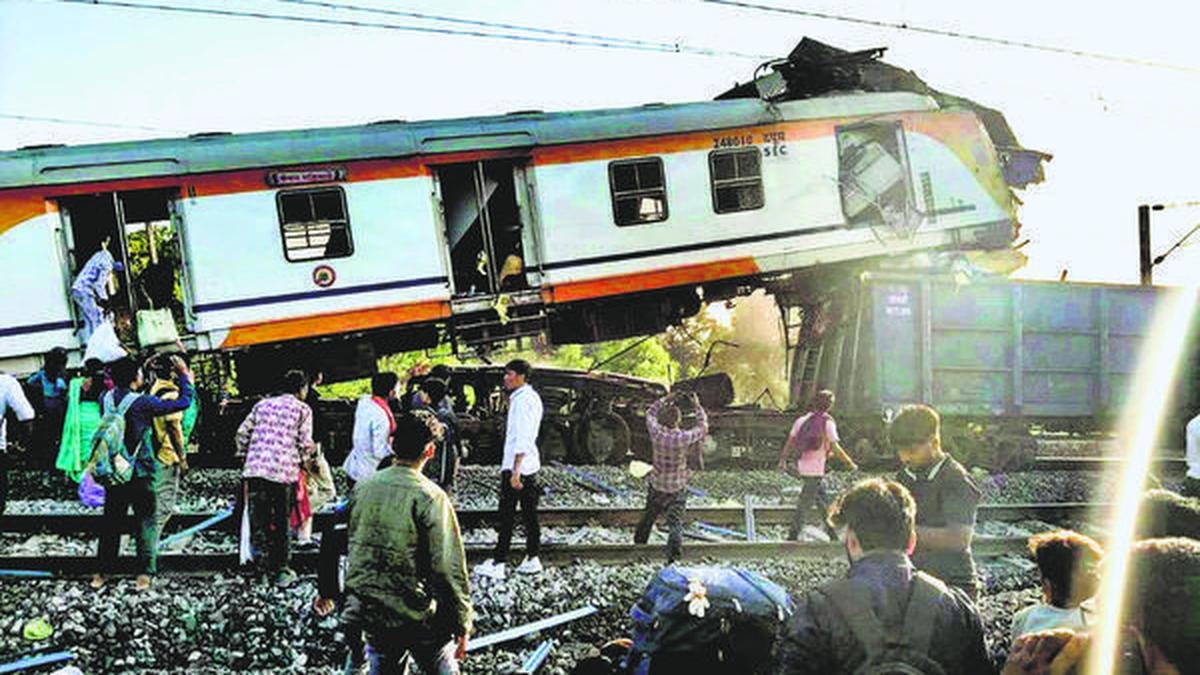
After a tragic crash near Bilaspur in Chhattisgarh where a passenger train overshot a red signal and rammed a stationary goods train, railway safety protocols are under fresh scrutiny—especially for Tier‑3 cities with weaker infrastructure and oversight.
Crash details and immediate fallout
The key term railway safety comes into focus after the incident on 4 November 2025 around 4 pm, when a MEMU passenger train travelling from Gevra to Bilaspur collided with a stationary goods train between Gatora and Bilaspur stations. Initial investigations suggest the passenger train overshot a red signal at 60‑70 km/h, causing the rear of the train to mount the goods wagon. The death toll has reached 11, with around 20 others injured. The tragedy prompted an FIR at Torwa police station for causing death by negligence and endangering life.
What the probe reveals: signal breach and system gaps
The accident’s preliminary assessment centres on a signal‑overshoot crash. Officials pointed to “passing signal at danger” as a likely cause. The inquiry indicated the driver did not apply emergency braking in time even though the goods train was visible ahead. The trade union representing locomotive staff challenged the investigation’s findings, calling them “imaginary” and raising questions about signalling clarity, braking systems and technical readiness.
Why Tier‑3 and smaller railway hubs should take note
Although the crash happened in Chhattisgarh’s busy Bilaspur zone, its implications ripple across smaller cities and towns. Many Tier‑3 stations, sidings and regional lines operate under older signalling systems and may lack features such as automatic train protection or “Kavach”‑type anti‑collision systems. Stations in smaller cities often have fewer staff, older infrastructure and less rigorous monitoring of equipment. The Bilaspur incident highlights how a lapse at a major junction can expose the rail network’s weak links — and how similar vulnerabilities may exist in lesser‑known hubs.
Key safety lessons: infrastructure, training and accountability
One priority is upgrading to automatic signalling and collision‑avoidance systems. In Bilaspur’s zone, local parties claim a proposal for installing the “Suraksha Kavach” system across 600 km has been pending since May 2024. Beyond tech, training and oversight matter: driver fatigue, clarity of signals, real‑time monitoring of braking logs and timely emergency response all come into play. Another area is accountability: while the driver is under scrutiny, unions argue systemic issues deserve equal attention. Public visibility of maintenance logs, signal health checks and timely audits may help smaller towns raise standards.
Challenges faced by smaller towns and stations
Compared with metros and major junctions, stations in Tier‑3 cities often lack investment in latest safety tech. Budget pressures, fewer passengers and lower political visibility mean upgrades may be delayed. Regional lines may rely on legacy signalling which increases risk in dense traffic sections. Emergency‑response infrastructure (such as cranes, medical facilities, rescue teams) may be less robust. In events like the Bilaspur crash, the impact on surrounding rural and semi‑urban stations becomes a cautionary signal: regional rail safety cannot be treated as secondary.
Conclusion
The Bilaspur crash stands as a stark reminder that even well‑trafficked railway zones are vulnerable when signals fail or systems lag. The focus now shifts to how Indian Railways and state administrations respond—particularly in Tier‑3 towns where a safety lapse may have fewer buffers. Monitoring signal discipline, implementing modern protection systems and ensuring accountability are no longer optional. For smaller cities and regional lines, this incident should trigger immediate review of infrastructure rather than wait for the next tragedy.
Takeaways
- The crash was triggered by overshooting a red signal and resulted in 11 deaths — a reminder of how a single lapse can escalate.
- Smaller towns and regional railway lines often operate older signalling and protection systems, making them vulnerable.
- Modern systems like automatic train protection and timely braking logs need faster rollout, especially in Tier‑2/3 regions.
- Safety upgrades, staff training and transparent accountability must be prioritised before another major incident.
FAQ
Q: What caused the Bilaspur crash?
A: Preliminary investigations point to a passenger train overshooting a red signal and colliding with a stationary goods train at speed.
Q: How many people died or were injured?
A: Eleven people lost their lives and around 20 were injured in the collision near Bilaspur.
Q: What system upgrades are being demanded?
A: Upgrades include installation of automatic train protection systems (such as Kavach), better signal‑health monitoring and updated braking logs.
Q: Why is this relevant for smaller railway towns?
A: Smaller towns often have weaker infrastructure, fewer safety systems and less monitoring—making them more vulnerable when a similar lapse occurs.
After a tragic crash near Bilaspur in Chhattisgarh where a passenger train overshot a red signal and rammed a stationary goods train, railway safety protocols are under fresh scrutiny—especially for Tier‑3 cities with weaker infrastructure and oversight.
Crash details and immediate fallout
The key term railway safety comes into focus after the incident on 4 November 2025 around 4 pm, when a MEMU passenger train travelling from Gevra to Bilaspur collided with a stationary goods train between Gatora and Bilaspur stations. Initial investigations suggest the passenger train overshot a red signal at 60‑70 km/h, causing the rear of the train to mount the goods wagon. The death toll has reached 11, with around 20 others injured. The tragedy prompted an FIR at Torwa police station for causing death by negligence and endangering life.
What the probe reveals: signal breach and system gaps
The accident’s preliminary assessment centres on a signal‑overshoot crash. Officials pointed to “passing signal at danger” as a likely cause. The inquiry indicated the driver did not apply emergency braking in time even though the goods train was visible ahead. The trade union representing locomotive staff challenged the investigation’s findings, calling them “imaginary” and raising questions about signalling clarity, braking systems and technical readiness.
Why Tier‑3 and smaller railway hubs should take note
Although the crash happened in Chhattisgarh’s busy Bilaspur zone, its implications ripple across smaller cities and towns. Many Tier‑3 stations, sidings and regional lines operate under older signalling systems and may lack features such as automatic train protection or “Kavach”‑type anti‑collision systems. Stations in smaller cities often have fewer staff, older infrastructure and less rigorous monitoring of equipment. The Bilaspur incident highlights how a lapse at a major junction can expose the rail network’s weak links — and how similar vulnerabilities may exist in lesser‑known hubs.
Key safety lessons: infrastructure, training and accountability
One priority is upgrading to automatic signalling and collision‑avoidance systems. In Bilaspur’s zone, local parties claim a proposal for installing the “Suraksha Kavach” system across 600 km has been pending since May 2024. Beyond tech, training and oversight matter: driver fatigue, clarity of signals, real‑time monitoring of braking logs and timely emergency response all come into play. Another area is accountability: while the driver is under scrutiny, unions argue systemic issues deserve equal attention. Public visibility of maintenance logs, signal health checks and timely audits may help smaller towns raise standards.
Challenges faced by smaller towns and stations
Compared with metros and major junctions, stations in Tier‑3 cities often lack investment in latest safety tech. Budget pressures, fewer passengers and lower political visibility mean upgrades may be delayed. Regional lines may rely on legacy signalling which increases risk in dense traffic sections. Emergency‑response infrastructure (such as cranes, medical facilities, rescue teams) may be less robust. In events like the Bilaspur crash, the impact on surrounding rural and semi‑urban stations becomes a cautionary signal: regional rail safety cannot be treated as secondary.
Conclusion
The Bilaspur crash stands as a stark reminder that even well‑trafficked railway zones are vulnerable when signals fail or systems lag. The focus now shifts to how Indian Railways and state administrations respond—particularly in Tier‑3 towns where a safety lapse may have fewer buffers. Monitoring signal discipline, implementing modern protection systems and ensuring accountability are no longer optional. For smaller cities and regional lines, this incident should trigger immediate review of infrastructure rather than wait for the next tragedy.
Takeaways
- The crash was triggered by overshooting a red signal and resulted in 11 deaths — a reminder of how a single lapse can escalate.
- Smaller towns and regional railway lines often operate older signalling and protection systems, making them vulnerable.
- Modern systems like automatic train protection and timely braking logs need faster rollout, especially in Tier‑2/3 regions.
- Safety upgrades, staff training and transparent accountability must be prioritised before another major incident.
FAQ
Q: What caused the Bilaspur crash?
A: Preliminary investigations point to a passenger train overshooting a red signal and colliding with a stationary goods train at speed.
Q: How many people died or were injured?
A: Eleven people lost their lives and around 20 were injured in the collision near Bilaspur.
Q: What system upgrades are being demanded?
A: Upgrades include installation of automatic train protection systems (such as Kavach), better signal‑health monitoring and updated braking logs.
Q: Why is this relevant for smaller railway towns?
A: Smaller towns often have weaker infrastructure, fewer safety systems and less monitoring—making them more vulnerable when a similar lapse occurs.











Leave a comment