

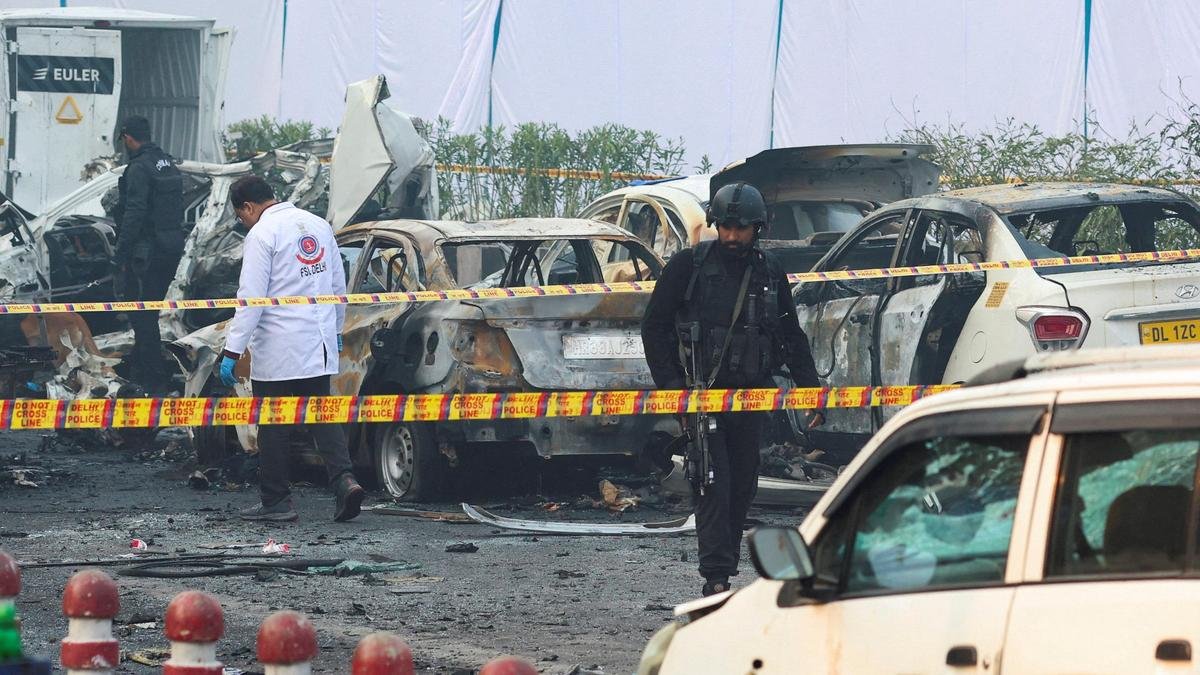
The blast near Red Fort in Delhi prompted a multi-agency investigation and renewed discussions on urban security. While the incident is still under investigation, it highlights the need for updated emergency-response systems in both metropolitan and smaller Indian cities.
The blast near Red Fort in Delhi has brought security preparedness back into public focus. The area around the monument is considered sensitive due to its historical significance and proximity to government zones. The incident led to immediate cordoning of the site and a coordinated response by local police, forensic teams and national investigative agencies. While the exact motive and source of the explosive material are still being examined, early reports indicate that the blast was localized and did not result in widespread damage. The event has nonetheless renewed discussions on how Indian cities are preparing for rapid emergency response, incident coordination and public communication in high-density urban settings.
Subhead: Current Status of the Investigation
Police and forensic specialists are working to determine the nature and composition of the explosive material used. CCTV footage from surrounding areas is being analyzed to trace movements around the site before the blast occurred. Initial technical assessments are focused on whether the device was improvised and whether it was triggered manually or through a timed mechanism. Agencies have also begun reviewing recent intelligence inputs to check for potential links to organized groups or individuals with known criminal or extremist backgrounds. While conclusive findings have not yet been released, officials have emphasized that investigation updates will follow verification to prevent misinformation.
Subhead: Red Fort’s High Security Sensitivity
Red Fort has historically been a high-security zone, particularly due to national events and regular tourist footfall. The monument is surrounded by checkpoints, surveillance systems and patrolling units. However, incidents near such protected sites draw attention because they test the layered nature of urban security planning. The blast has prompted security agencies to evaluate perimeter monitoring, patrol frequency and access control measures. This review is part of a broader national effort to continuously upgrade security systems in heritage and administrative areas where public movement and official activities intersect.
Subhead: Public Communication and Crowd Management Challenges
One of the most immediate challenges during such incidents is managing crowd movement and communication. Red Fort is located in a busy part of Old Delhi where residential, commercial and tourism activities intersect. Police teams had to quickly evacuate the area, guide local shop owners and prevent rumor-based panic. The incident highlighted how city police and civic bodies must coordinate real-time information updates across on-ground and digital channels. Clear communication helps prevent misinformation and supports safe, orderly crowd management. The response also demonstrates the role of trained first responders who can secure a site before specialized teams arrive.
Subhead: Why Smaller Cities Must Reevaluate Emergency Response Protocols
While Delhi has long-standing multi-agency coordination frameworks, smaller Tier 2 and Tier 3 cities often lack structured response protocols for sudden incidents. Many rely on reactive measures rather than planned emergency systems. The blast near Red Fort provides an important case study, not because of scale, but because it illustrates how preparedness reduces confusion and delays. Smaller cities such as Indore, Nagpur, Jaipur, Coimbatore and Guwahati are growing rapidly, with increasing public spaces, commercial hubs and event gatherings. Emergency readiness in these areas needs clear command hierarchies, first responder training programs, community awareness protocols and transparent communication channels. Without these systems, any disruptive event can escalate quickly due to delayed coordination.
Subhead: Role of Surveillance, Technology and Local Training
Improved camera networks, integrated control centers and GPS-linked patrol units are becoming more common in major cities, but distribution remains uneven across India. Smaller municipalities can strengthen preparedness by investing in basic surveillance coverage, rapid alert systems and coordination platforms linking hospitals, police and civic agencies. Training is equally important. First response capability at the city level depends on how well local teams understand evacuation management, explosive safety protocols and on-site evidence preservation. State governments can support this by standardizing training modules and facilitating joint drills between local disaster response teams and police units.
Subhead: Long Term Lessons for Urban Security Planning
Urban security planning cannot be static. Cities evolve and public spaces become more complex. The blast near a landmark site serves as a reminder that preparedness must be continuous. Regular assessments of public spaces, emergency drills, inter-agency simulations and investment in surveillance technology are central to effective risk mitigation. Ensuring that smaller cities develop these systems early allows them to manage incidents with minimal disruption and higher public confidence. Strengthening ordinary safety systems, not only high-profile event security, is critical for resilience.
Takeaways:
• The blast near Red Fort triggered a coordinated investigation and highlighted security sensitivity in historic urban zones.
• Surveillance review, patrol coordination and controlled public communication were key parts of the immediate response.
• Smaller cities need structured emergency-response frameworks as they grow in scale and complexity.
• Investment in local training, communication protocols and surveillance technology can improve preparedness across regions.
FAQ:
Q1: Has the cause of the blast been confirmed?
A1: The cause and source of the explosive are still under forensic and investigative review. Authorities will release information once verified.
Q2: Why is Red Fort considered a high-security area?
A2: It hosts national events, attracts steady public footfall and is located near important administrative and heritage zones, requiring heightened monitoring.
Q3: How can smaller cities improve emergency response?
A3: By developing coordinated response frameworks, training first responders, improving surveillance systems and conducting regular simulation drills.
Q4: Did the blast indicate a broader security threat?
A4: There is no confirmed indication of a broader threat yet. Investigative agencies are analyzing data to ensure accurate conclusions.










Leave a comment