

Delhi NCR woke up to its coldest January morning in years, and the cold wave has done more than drop temperatures. It has reshaped daily routines, weekend travel plans, and even what people are ordering at cafes. What looks like a weather event on the surface is quietly driving cultural and consumption shifts across the region.
A Record Cold Morning Changes Daily Life
The cold wave in Delhi NCR pushed early morning temperatures close to record lows for mid-January, forcing residents to rethink everyday habits. Morning walks disappeared from parks, office start times shifted informally, and public transport usage peaked later than usual. Schools reported delayed attendance, while construction and outdoor labour slowed down sharply in the first half of the day.
Households adapted quickly. Sales of room heaters, electric blankets, and thermal wear surged in local markets and online platforms. Residents in Ghaziabad, Noida, Faridabad, and Gurugram relied more on work from home arrangements where possible, especially in IT and services roles. The cold wave has reinforced a pattern already visible over recent winters: productivity windows are shifting, not shrinking.
Home-Centric Living Makes a Comeback
Extended cold spells are pushing people indoors, reviving a home-first lifestyle that had faded after the pandemic. Streaming consumption rose during early mornings and late evenings, with families spending longer hours together at home. Traditional winter foods like gajar ka halwa, sarson ka saag, and parathas returned to kitchen menus, replacing lighter diets.
Fitness routines also adjusted. Gyms saw lower footfall during peak morning hours but steadier attendance post-noon. Many residents switched to indoor workouts, yoga, or short evening walks. This seasonal behavioural change highlights how climate extremes are now influencing lifestyle planning in urban North India.
Winter Travel Trends Around Delhi NCR
The cold wave has reshaped short-distance travel choices. Hill stations remain popular, but this winter shows a clear shift toward nearby destinations with milder cold and better road connectivity. Neemrana, Alwar, Bharatpur, Jaipur outskirts, and parts of Uttarakhand closer to the plains have seen increased bookings.
Families and young professionals are opting for two-day road trips rather than longer vacations. Hotels offering heated rooms, bonfire setups, and winter food menus are seeing higher occupancy. Travel decisions are less about sightseeing and more about comfort, warmth, and flexible return options in case fog disrupts travel schedules.
Coffee Culture Thrives in Extreme Winters
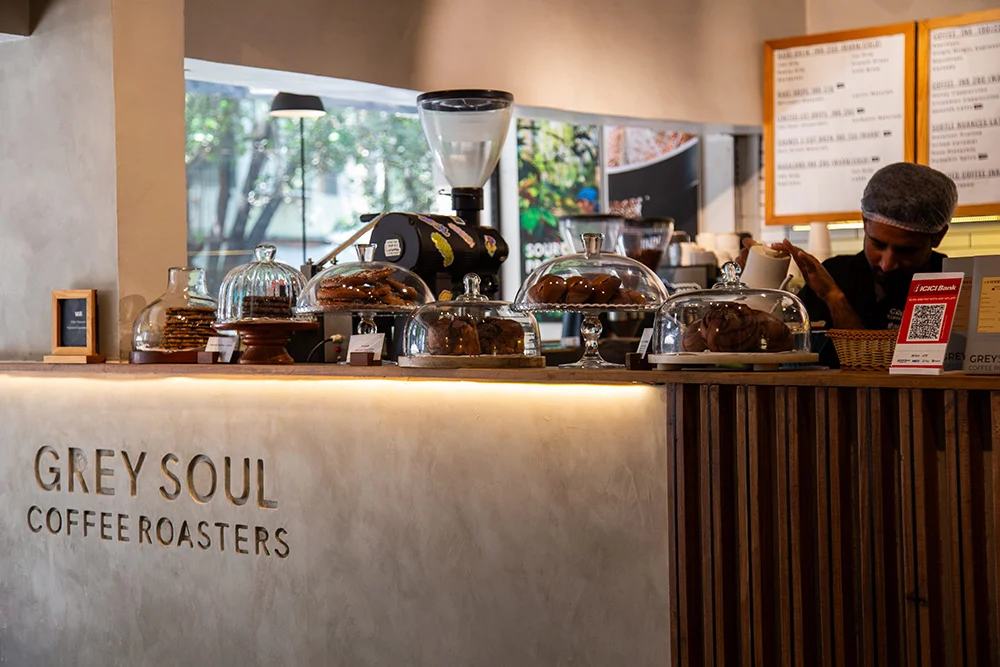
One of the most visible lifestyle shifts is playing out in cafes. The cold wave has accelerated coffee consumption across Delhi NCR, especially hot brews. Cafes report higher demand for cappuccinos, flat whites, filter coffee, and spiced winter specials. Tea remains strong, but coffee has become the social drink of choice during harsh winters.
Independent cafes in Noida and South Delhi are experimenting with seasonal menus, adding cinnamon, jaggery, nutmeg, and local flavours. The cold wave has turned cafes into semi-workspaces and social shelters, especially for freelancers and students escaping unheated homes. Coffee culture is no longer limited to leisure; it has become a functional winter habit.
Retail and Street Markets Adapt Fast
Street vendors and local markets have adjusted their offerings. Woollens, jackets, gloves, and caps dominate footpath stalls. Food carts selling soup, momos, roasted peanuts, and chai see peak demand after sunset. Evening markets are busier than mornings, a clear reversal from warmer months.
Retailers note that consumers are willing to spend more during extreme weather, but only on practical items. The cold wave has made comfort-driven purchases a priority over fashion-led buying. This shift is especially visible in Tier 2 style neighbourhoods within NCR where price sensitivity remains high.
What This Winter Signals Going Forward
This cold wave is not just a seasonal anomaly. It reflects how extreme weather is steadily reshaping urban behaviour. From flexible work hours to hyper-local travel and climate-driven food trends, Delhi NCR is adapting in real time. These changes are likely to return every winter, becoming predictable cultural patterns rather than temporary disruptions.
Takeaways
– Extreme cold is shifting daily schedules, not stopping productivity
– Short road trips are replacing long winter vacations
– Coffee consumption is rising as a functional winter habit
– Home-centric living patterns resurface during prolonged cold spells
FAQs
Why is this cold wave being called one of the coldest in years?
Because minimum temperatures dropped close to long-term January lows, combined with dense fog and prolonged cold conditions across multiple NCR cities.
How has the cold wave affected travel plans from Delhi NCR?
People are choosing shorter, flexible road trips over long-distance travel due to fog, delayed transport, and comfort concerns.
Why are cafes seeing higher footfall during extreme cold?
Cafes offer warmth, seating, and hot beverages, making them preferred social and work spaces during harsh winters.
Are these lifestyle changes temporary?
Some are seasonal, but many patterns like flexible work hours and winter-specific consumption are becoming recurring trends.












Leave a comment