

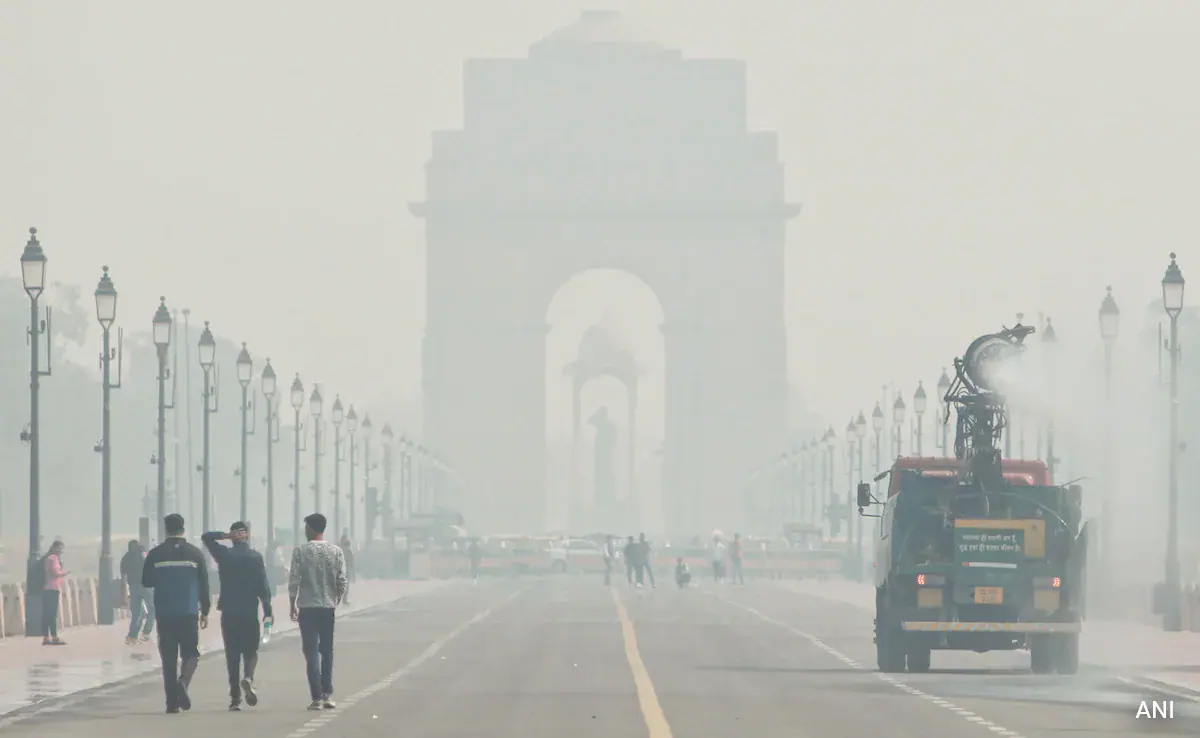
Delhi smog spikes to hazardous levels have once again pushed the capital into a public health and mobility crisis, with air quality index readings entering the severe plus category. The worsening AQI has triggered emergency health advisories, disrupted transport services, and renewed scrutiny of pollution control measures.
This topic is time sensitive and news driven. The tone below reflects active conditions and immediate impact.
AQI surge and what the numbers indicate
The current Delhi smog spike is marked by AQI levels crossing the hazardous threshold, where prolonged exposure poses serious health risks even for healthy individuals. PM2.5 and PM10 pollutants dominate the readings, largely driven by vehicular emissions, stagnant wind conditions, and seasonal factors. Low temperatures combined with minimal air movement have trapped pollutants close to the ground, forming a dense smog layer across the city.
In several parts of Delhi and the National Capital Region, visibility dropped sharply during early morning hours. This directly affected road safety and flight operations. The situation is aggravated by cumulative pollution sources rather than a single trigger, making short term relief difficult without weather intervention or strict emission curbs.
Health advisories and rising medical concerns
Health advisories issued during hazardous AQI conditions urge residents to limit outdoor exposure, especially children, senior citizens, and those with respiratory or cardiac conditions. Hospitals in Delhi have reported an increase in patients complaining of breathlessness, eye irritation, coughing, and chest discomfort.
Doctors warn that prolonged exposure to high particulate matter can worsen asthma, bronchitis, and cardiovascular issues. Even short commutes without protective measures can cause acute symptoms. Schools and outdoor sports activities face pressure to reduce physical exertion schedules as pollution levels remain consistently high throughout the day.
The smog episode also raises concerns for indoor air quality. Pollutants seep indoors, making air purifiers and ventilation management critical for households, offices, and schools.
Transport disruption across road, rail, and air
Transport disruption is one of the most visible impacts of the AQI crisis. Reduced visibility during peak hours has slowed road traffic, increasing commute times across arterial routes. Ride hailing services have reported delays, while traffic police have issued advisories urging cautious driving.
Air travel has been affected due to low visibility procedures at the airport, leading to delays and diversions during early morning and late night hours. Although rail services are less directly impacted, poor visibility can slow train operations in and around Delhi, affecting long distance schedules.
Public transport usage often rises during such periods as authorities discourage private vehicle use, but overcrowding becomes a secondary challenge, especially when service frequency cannot be scaled up quickly.
Policy measures and emergency responses
Authorities have activated graded response mechanisms aimed at curbing pollution during severe episodes. These include restrictions on construction activities, intensified checks on vehicle emissions, and advisories against unnecessary travel. Dust suppression measures and mechanical road sweeping are also deployed in identified hotspots.
However, the effectiveness of these measures is limited when pollution sources accumulate over days. Seasonal factors such as crop residue burning in neighboring regions and increased winter fuel usage add to the burden. Critics argue that emergency responses address symptoms rather than root causes, highlighting the need for long term structural reforms.
Long term implications of repeated smog crises
Repeated hazardous smog episodes reinforce the reality that Delhi’s air pollution problem is systemic. Short term measures provide temporary relief, but without sustained action on vehicular emissions, industrial compliance, urban planning, and regional coordination, the cycle repeats every winter.
The economic cost is significant. Productivity drops due to health related absences, transport delays impact supply chains, and tourism takes a hit as the city gains global attention for poor air quality. For residents, the smog crisis has become an annual test of resilience, health awareness, and adaptability.
Takeaways
- Delhi AQI has entered hazardous levels, posing serious health risks
- Hospitals report increased respiratory and cardiac complaints
- Road and air transport face delays due to low visibility
- Emergency measures offer limited relief without long term reforms
FAQs
What does hazardous AQI mean for daily life?
Hazardous AQI indicates pollution levels that can cause severe health effects. Outdoor activity should be minimized and protective measures are strongly advised.
Who is most affected by the current smog?
Children, elderly people, and those with asthma, heart disease, or lung conditions face the highest risk during severe pollution episodes.
Why does Delhi face smog spikes every winter?
Winter weather traps pollutants near the ground, while emissions from vehicles, construction, and regional sources accumulate without adequate dispersion.
Can rain or wind improve the situation quickly?
Yes. Strong winds or rainfall can significantly reduce pollution levels by dispersing or washing out particulate matter.









Leave a comment