

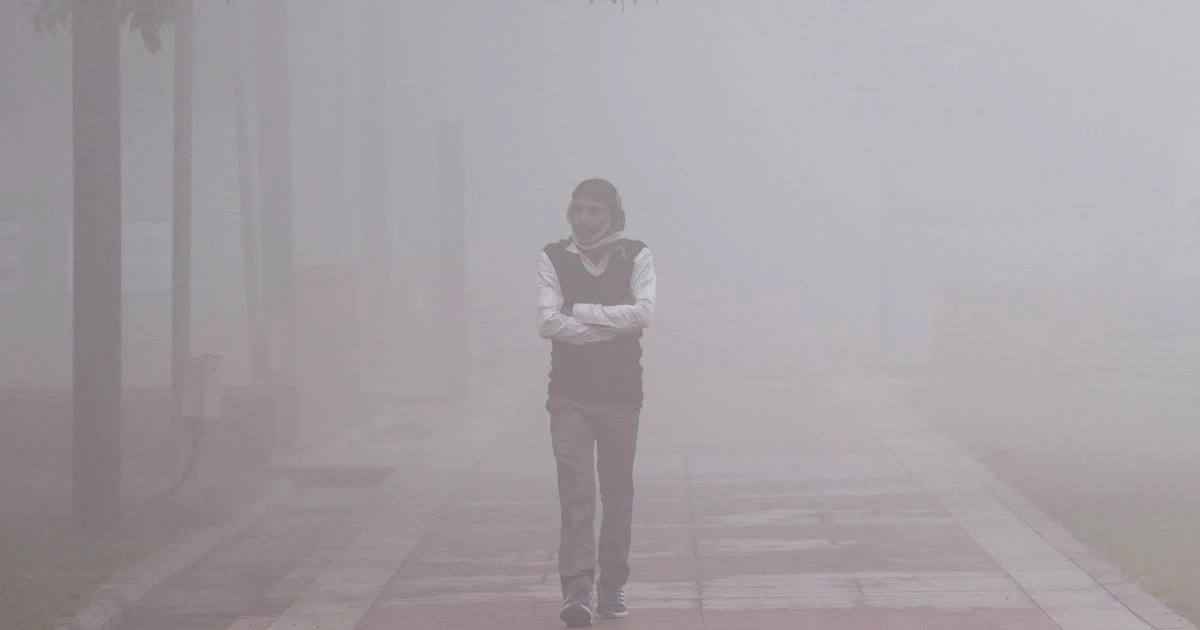
Dense fog and travel disruption in Himachal Pradesh have intensified with winter conditions worsening across North India, affecting road, rail, and air movement. As visibility drops and temperatures fall, authorities and travellers are being forced to adjust plans, making safety focused winter travel practices essential.
This topic is time sensitive and news driven, and the tone reflects ongoing weather conditions and real time travel impact.
Why dense fog has intensified across Himachal Pradesh
Dense fog in Himachal Pradesh is the result of a combination of falling temperatures, high moisture levels, and calm wind conditions. Valleys and low lying areas are particularly vulnerable as cold air settles overnight and traps moisture near the surface. Popular districts such as Solan, Kangra, Una, and parts of Shimla have seen early morning visibility drop to critically low levels. Hill stations that attract winter tourists are experiencing longer fog persistence, often lasting until late morning. These conditions are typical in peak winter months but become more disruptive when accompanied by increased tourist traffic and seasonal transport load.
Impact on road travel and hill connectivity
Road travel has been the most affected due to dense fog and slippery surfaces. Highways connecting Himachal to Punjab, Haryana, and Delhi have reported slower vehicle movement, frequent traffic pile ups, and delays in bus services. Hill roads with sharp bends become especially risky when visibility is poor. State transport buses and private taxis are often forced to reduce speed significantly, leading to extended travel times. For tourists unfamiliar with mountain driving, fog combined with black ice and narrow roads increases accident risk.
Rail and air travel disruptions in North India
Dense fog conditions are not limited to Himachal Pradesh alone and have impacted rail and air travel across North India. Trains passing through northern routes often face delayed arrivals and departures due to safety protocols that require reduced speeds. Flight operations at nearby airports experience rescheduling or temporary diversions during low visibility hours. Passengers travelling to or from hill destinations via connecting hubs need to plan for buffer time. Missed connections and overnight delays have become more common during prolonged fog spells.
Tourist movement and seasonal travel challenges
Winter tourism peaks in Himachal Pradesh due to snowfall attractions and holiday travel. Dense fog has disrupted sightseeing schedules, adventure activities, and hotel check in times. Tour operators are adjusting itineraries to avoid early morning travel and pushing outdoor plans to later hours. For tourists arriving from North Indian plains, the sudden shift in weather conditions can be challenging. Inadequate preparation often leads to discomfort, health issues, or unsafe travel decisions, especially among first time hill visitors.
Safe winter driving tips for foggy conditions
Safe winter travel during dense fog requires disciplined driving habits. Drivers should avoid high speed travel and maintain safe distance between vehicles. Use of low beam headlights and fog lamps improves visibility without causing glare. Sudden braking should be avoided as it increases skidding risk on cold roads. Drivers must rely on road markings rather than tail lights of the vehicle ahead. Taking regular breaks reduces fatigue, which tends to increase during slow and tense driving conditions common in fog.
Planning travel timing and route selection
One of the most effective ways to reduce risk during dense fog is proper timing. Early morning and late night travel should be avoided as fog density peaks during these hours. Late morning to afternoon windows usually offer better visibility. Choosing main highways over interior roads improves safety due to better maintenance and signage. Travellers should check local advisories and weather updates before departure. Flexible itineraries allow travellers to pause or reroute rather than rushing through unsafe conditions.
Health and comfort precautions for winter travellers
Cold weather combined with fog can impact health, particularly for elderly travellers and children. Wearing layered clothing helps regulate body temperature during fluctuating conditions. Staying hydrated is often overlooked in cold weather but remains important. Fog and pollution combined can irritate respiratory systems, making masks useful for sensitive individuals. Travellers should carry basic medications and avoid prolonged outdoor exposure during early morning fog hours.
Role of authorities and emergency preparedness
Local authorities in Himachal Pradesh typically increase patrols and emergency response readiness during severe winter conditions. Signage, barricades, and advisories are used to manage traffic flow. However, individual preparedness remains crucial. Travellers should keep emergency contact numbers accessible, ensure vehicles are serviced before hill travel, and inform family or hotels about travel routes and timings. Dependence solely on navigation apps can be risky in fog prone mountain zones.
What North India travellers should expect in coming weeks
As winter progresses, dense fog and travel disruption in Himachal Pradesh are likely to continue intermittently. Travellers from Punjab, Haryana, Rajasthan, and Delhi should expect periodic delays and plan accordingly. Tourism will continue but with adjusted schedules and heightened safety focus. Awareness and preparation can significantly reduce inconvenience and risk during winter travel in the hills.
Takeaways
Dense fog is disrupting road, rail, and air travel across Himachal Pradesh and North India.
Road travel in hill areas carries higher risk due to low visibility and cold surfaces.
Timing travel during daylight hours improves safety and reduces delays.
Preparation and cautious driving are essential for winter travel in fog prone regions.
FAQs
Why is dense fog more severe in Himachal during winter?
Cold temperatures and moisture trapped in valleys lead to persistent fog, especially during early mornings.
Is it safe to drive to hill stations during dense fog?
It can be safe with proper precautions, reduced speed, and daylight travel, but risks increase during early morning and night hours.
Do trains and flights get cancelled due to fog?
Services are usually delayed rather than cancelled, but prolonged fog can lead to rescheduling or missed connections.
What is the best time to travel during foggy winter days?
Late morning to afternoon hours generally offer better visibility and safer travel conditions.











Leave a comment