

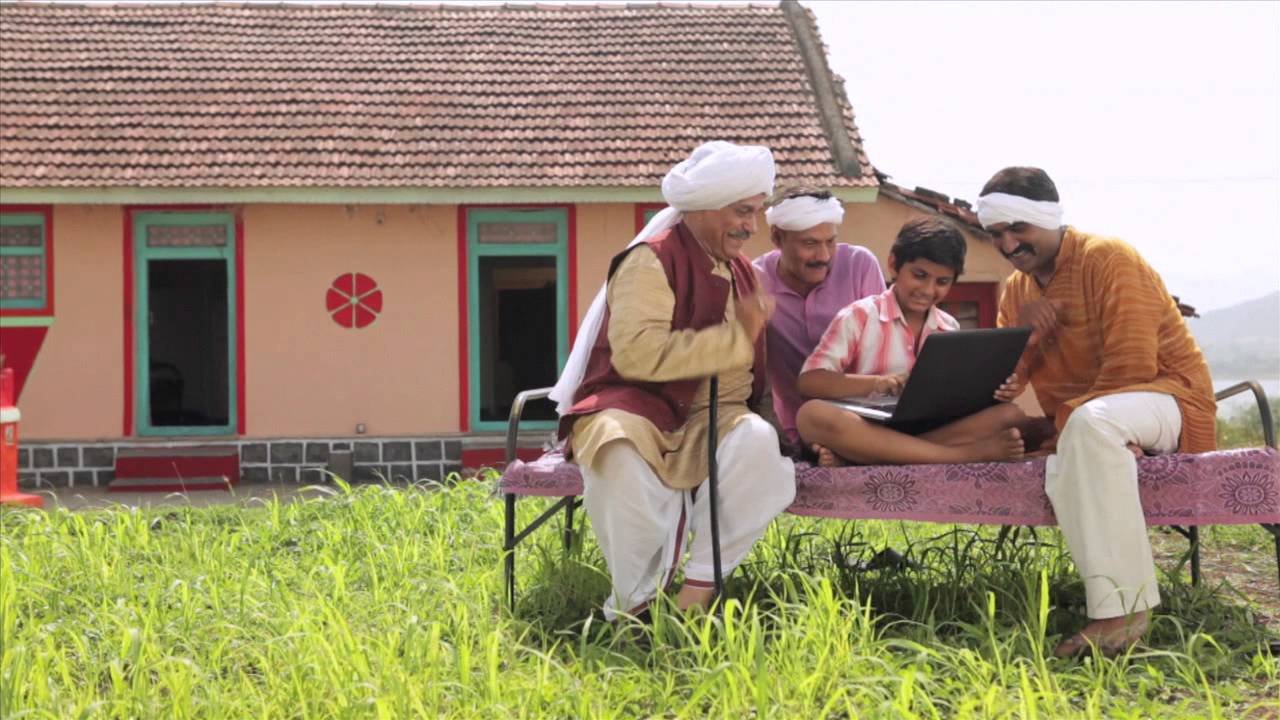
The Digital Census in India marks a major shift in how population data will be collected and managed, with the new two phase plan set to reshape governance in rural towns. The upcoming census introduces technology driven enumeration with long term implications for welfare delivery and planning.
The Digital Census in India is a time sensitive policy development, and the tone here reflects current administrative planning combined with explanatory reporting. The government has announced a two phase census model that will rely heavily on digital tools, mobile based data collection, and integrated databases. For rural towns and semi urban regions, this transition represents both an opportunity for improved inclusion and a challenge in terms of readiness and execution.
Understanding the Two Phase Digital Census Plan
The new Digital Census plan is structured in two distinct phases. The first phase focuses on housing and asset mapping, while the second phase concentrates on population enumeration. This separation allows authorities to update infrastructure data before recording individual level demographic details.
For rural towns, the housing phase is particularly important. It aims to create an accurate inventory of dwellings, amenities, and living conditions. This data forms the backbone for later population tagging and policy targeting. By digitizing this process, officials expect faster processing, reduced duplication, and more reliable datasets compared to previous manual censuses.
Shift From Paper to Mobile Based Enumeration
One of the biggest changes in the Digital Census in India is the move away from paper forms to mobile devices. Enumerators will use handheld devices or applications to record data directly into centralized systems. This reduces delays caused by manual data entry and minimizes human error.
In rural towns, this shift has practical implications. Enumerators must be trained not only in census methodology but also in basic digital operations. Connectivity gaps, device maintenance, and data syncing are challenges that local administrations are already preparing for. Offline data capture with later synchronization is expected to play a crucial role in areas with limited internet access.
What It Means for Rural Towns and Small Settlements
Rural towns often fall between village and city planning frameworks, leading to gaps in service delivery. The Digital Census aims to address this by providing more granular data. Accurate population counts and housing details can help classify settlements correctly and allocate funds accordingly.
For example, towns on the edge of urban expansion often lack clear recognition in planning documents. Updated digital census data can support better road planning, sanitation coverage, healthcare access, and school infrastructure. In this sense, the census becomes a planning tool rather than just a population count.
Impact on Welfare Schemes and Public Services
One of the key objectives of the Digital Census in India is to strengthen the targeting of welfare schemes. Rural towns often experience leakage or exclusion due to outdated population records. With real time digital data, governments can align beneficiary databases more effectively.
Schemes related to housing, food security, pensions, and healthcare depend on accurate household information. The housing phase of the census will help identify eligible beneficiaries based on dwelling conditions and amenities. Over time, this can reduce dependency on repeated surveys and improve policy response speed in smaller towns.
Data Accuracy, Privacy, and Trust Concerns
While digital systems promise efficiency, they also raise concerns about data accuracy and privacy. Rural populations may be apprehensive about digital data collection due to limited awareness and fear of misuse. Building trust will be critical to the success of the census.
Enumerators will need to clearly communicate the purpose of data collection and reassure households about confidentiality. The government has indicated that data protection protocols will be followed, but implementation at the ground level will determine public confidence. In rural towns, local officials and community leaders will play an important role in easing concerns.
Administrative Preparedness at the District Level
District administrations are central to executing the Digital Census. Training programs for enumerators, device distribution, and logistical planning are already being discussed at the district level. For rural towns, coordination between revenue officials, local bodies, and census staff will be essential.
Past census exercises relied heavily on school teachers and local workers. The digital shift requires additional capacity building. Districts with better digital infrastructure may adapt faster, while others will need phased support. The two phase approach is designed to allow learning and correction before full population enumeration begins.
Long Term Governance Implications
Beyond immediate data collection, the Digital Census in India has long term governance implications. Census data influences constituency boundaries, fund allocation, and policy priorities. For rural towns aspiring for municipal status or improved administrative recognition, accurate digital records can strengthen their case.
The availability of structured data also supports evidence based policymaking. Over time, census data may be linked with other government databases to improve service delivery. However, this also increases the responsibility to ensure data integrity and prevent exclusion errors.
Challenges That Could Shape Outcomes
Despite its potential, the digital census faces challenges. Device failure, training gaps, and resistance from communities could slow progress. In rural towns with high migration or seasonal populations, capturing accurate data remains complex.
Authorities will need to monitor implementation closely and adapt strategies based on ground realities. Flexibility in timelines and methods may be necessary to ensure inclusivity. The success of the Digital Census will depend not just on technology, but on administrative sensitivity and local engagement.
Takeaways
- The Digital Census in India introduces a two phase data collection model with digital tools.
- Rural towns stand to gain from more accurate housing and population data.
- Welfare targeting and local planning are expected to improve with updated records.
- Training, connectivity, and public trust remain key challenges.
FAQs
What is the two phase Digital Census plan?
The first phase maps housing and assets, while the second phase records individual population details using digital tools.
How will the Digital Census affect rural towns?
It can improve planning, welfare targeting, and administrative recognition for small and growing settlements.
Will the census be conducted entirely online?
No, enumerators will collect data digitally through field visits, with offline options in low connectivity areas.
Are there privacy concerns with the Digital Census?
Data protection measures are planned, but effective communication and implementation will be crucial to build trust.












Leave a comment