

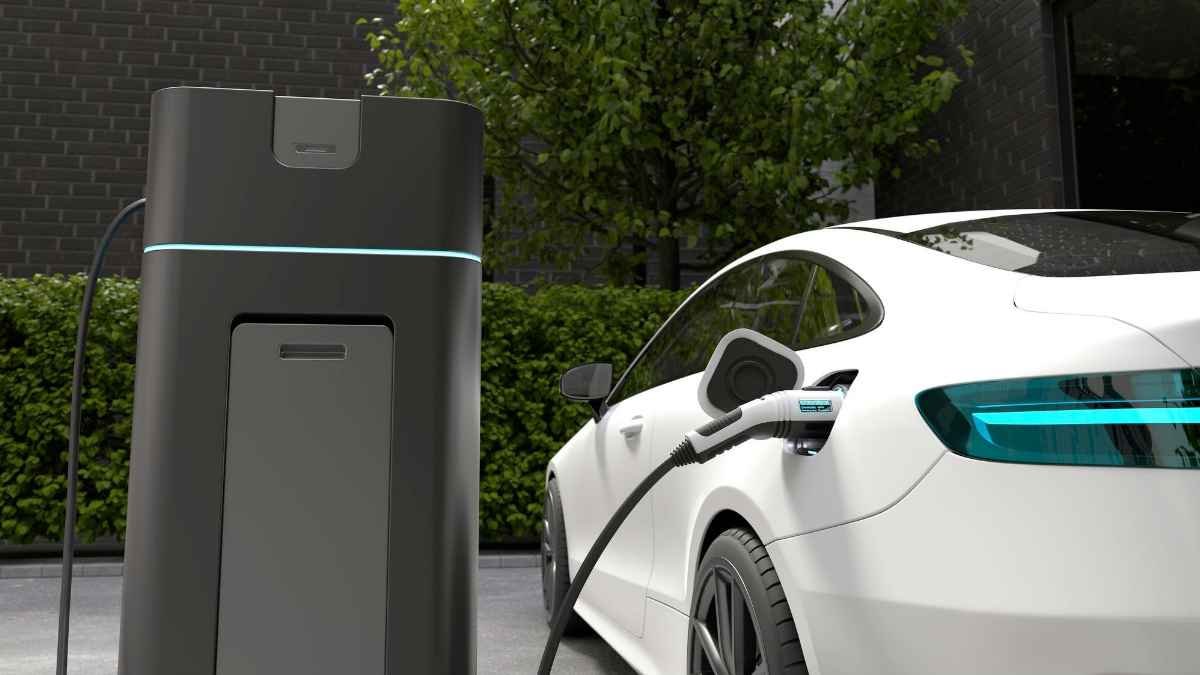
EV charging network growth outside metros is accelerating as cities like Nagpur, Lucknow, and Jaipur emerge as regional charging clusters. Driven by fleet demand, policy support, and lower operating costs, these cities reveal how cluster economics is shaping India’s next phase of electric mobility adoption.
EV Charging Network Growth Moves Beyond Metros
EV charging network growth outside metros has shifted from experimentation to structured expansion. While early electric vehicle adoption was concentrated in Delhi, Bengaluru, and Mumbai, 2024 and 2025 marked a visible change. Tier-2 cities began attracting charging infrastructure investment due to rising EV registrations, commercial fleet electrification, and supportive state policies. Nagpur, Lucknow, and Jaipur stand out because they sit at the intersection of transport corridors, administrative importance, and growing urban sprawl. These factors create predictable demand, which is critical for charging operators seeking utilization stability.
Understanding Cluster Economics in EV Charging
Cluster economics refers to the concentration of charging points within defined urban and peri-urban zones to maximize usage and reduce operational risk. Instead of spreading chargers thinly across a city, operators focus on high-traffic clusters such as transport hubs, commercial districts, residential complexes, and highways exiting the city. In non-metro markets, this approach lowers capital risk. It allows operators to share maintenance, grid upgrades, and demand forecasting across multiple sites. Clustered deployment also improves driver confidence, which directly influences EV adoption.
Why Nagpur Is Emerging as a Charging Hub
Nagpur’s rise as an EV charging cluster is closely tied to logistics and public transport electrification. The city’s central location makes it a key node for intercity movement. Electric buses, delivery fleets, and government vehicles create steady daytime demand. Charging stations near depots, industrial zones, and arterial roads show higher utilization compared to isolated residential chargers. Nagpur also benefits from planned urban layouts, making grid access and land acquisition relatively simpler. These conditions reduce deployment friction and encourage repeat investment.
Lucknow’s Mixed-Use Charging Demand
Lucknow presents a different cluster dynamic. Here, EV charging network growth is driven by mixed-use demand. Government offices, ride-hailing fleets, and residential societies all contribute to charger usage. Operators focus on clusters near administrative zones and expanding suburbs. Unlike logistics-heavy cities, Lucknow’s charging demand peaks during office hours and evenings. This predictable rhythm supports slow and fast chargers operating together. The city’s expanding road network and policy incentives have further improved feasibility for private operators.
Jaipur and the Highway-Oriented Cluster Model
Jaipur’s charging network growth reflects a highway-oriented cluster model. Tourism, intercity travel, and growing private EV ownership create demand along city exits and ring roads. Charging stations positioned near hospitality hubs and fuel stations benefit from both local and transit traffic. Jaipur’s relatively high number of personal EV owners compared to other Tier-2 cities supports higher dwell-time charging. This makes destination chargers viable alongside fast chargers. Cluster economics here relies on combining tourist inflow with daily commuter demand.
Cost Structures and Land Economics Outside Metros
One of the strongest advantages of non-metro charging clusters is cost efficiency. Land leases, installation costs, and local partnerships are significantly cheaper than in metros. This improves break-even timelines. Operators can experiment with pricing models without immediate pressure on margins. Municipal cooperation is also stronger in many Tier-2 cities, where EV infrastructure is seen as urban progress rather than congestion risk. These cost advantages explain why several operators prefer scaling in cities like Nagpur, Lucknow, and Jaipur before expanding further.
Grid Capacity and Operational Challenges
Despite growth, challenges remain. Grid stability varies across cities, and power availability can limit fast charging deployment. Operators often rely on load management systems and staggered charging to avoid peak stress. Coordination with local utilities is critical. Another challenge is demand volatility in early adoption zones. Cluster economics helps mitigate this by pooling demand, but utilization still depends on EV penetration. Training local technicians and ensuring uptime is another operational focus, especially outside major metros.
Impact on EV Adoption and Local Economies
The presence of reliable charging clusters directly influences EV adoption. Consumers are more likely to purchase electric vehicles when charging feels accessible and predictable. Fleet operators benefit from reduced downtime. Local economies gain through job creation in installation, maintenance, and operations. Charging hubs also attract complementary businesses such as cafés and convenience stores. Over time, these clusters become part of urban infrastructure rather than standalone utilities.
What This Signals for India’s EV Expansion
EV charging network growth outside metros signals a decentralised expansion model for electric mobility. Instead of relying solely on metro saturation, India’s EV ecosystem is leveraging regional clusters to drive adoption. Nagpur, Lucknow, and Jaipur illustrate how cluster economics balances risk and scalability. This approach allows charging infrastructure to grow in parallel with demand, rather than ahead of it. If supported by consistent policy and grid upgrades, Tier-2 clusters could define the next wave of EV growth.
Takeaways
Cluster-based deployment improves charger utilization in Tier-2 cities
Nagpur, Lucknow, and Jaipur show distinct demand patterns shaping infrastructure
Lower land and operating costs accelerate break-even timelines
Reliable charging clusters directly boost EV adoption confidence
FAQs
What is cluster economics in EV charging?
It refers to concentrating charging stations in high-demand zones to improve utilization and reduce operational risk.
Why are Tier-2 cities attractive for EV charging growth?
They offer lower costs, rising EV adoption, and manageable competition compared to metros.
Which type of chargers work best outside metros?
A mix of fast chargers and destination chargers performs best depending on local demand patterns.
Will EV charging clusters replace metro-led growth?
They will complement it by expanding adoption into new regions and reducing pressure on metro infrastructure.











Leave a comment