

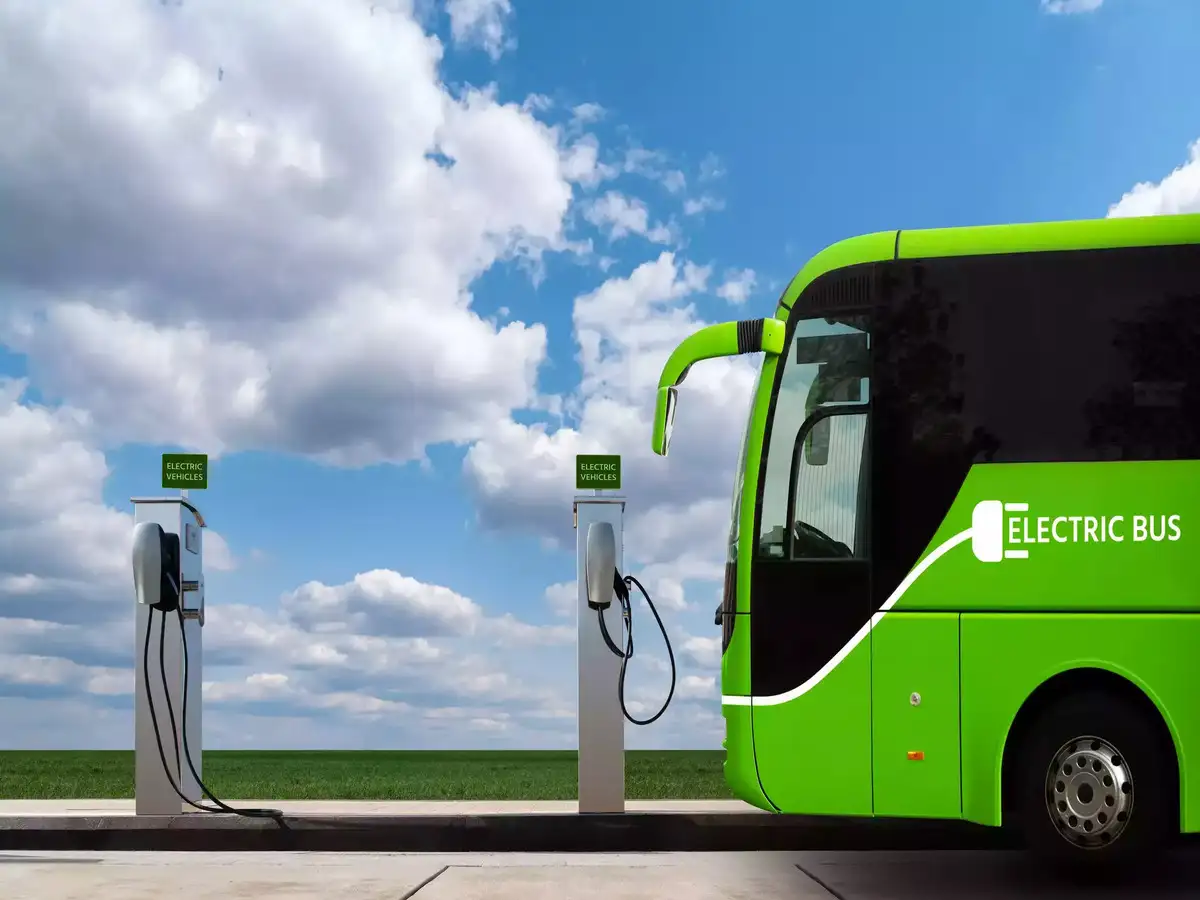
EV strategy shift has become a defining feature of India’s clean mobility roadmap as government policy increasingly prioritises electric buses and trucks over two wheelers. This change reflects a practical focus on emissions impact, urban efficiency, and faster returns from public and commercial transport electrification.
EV strategy shift is an evergreen policy and industry transition story rather than a single news event. While it has been shaped by recent decisions, its implications stretch across infrastructure, manufacturing, and climate outcomes, making an education driven approach appropriate.
Why the Government Is Rebalancing EV Priorities
India’s early EV push leaned heavily on electric two wheelers because of affordability and faster adoption. However, policymakers have realised that the largest emissions reductions do not come from private scooters. They come from buses and trucks that operate all day, every day.
A single electric bus can replace dozens of diesel cars in terms of emissions impact. Electric trucks reduce pollution across supply chains that power cities and industries. From a policy perspective, investing in high usage vehicles delivers measurable environmental benefits faster.
Urban congestion, air quality concerns, and public transport capacity gaps have also influenced this shift. Electrifying buses directly improves daily commuting for millions while reducing noise and particulate pollution in dense city corridors.
Electric Buses as the Backbone of Urban Mobility
Electric buses have emerged as the centrepiece of India’s EV strategy shift. State transport undertakings and city authorities are increasingly adopting electric bus fleets through leasing and public private partnership models.
These models reduce upfront costs for governments while ensuring predictable operating expenses. Electric buses also lower maintenance requirements compared to diesel fleets, improving long term economics for transport agencies.
Cities benefit from route based electrification where charging infrastructure is planned around depots rather than scattered across neighborhoods. This makes grid management simpler and reduces pressure on public charging networks.
For passengers, electric buses offer quieter rides, smoother acceleration, and cleaner air. These visible improvements help build public trust in electric mobility more effectively than private vehicle incentives.
Why Electric Trucks Matter More Than Scooters
Freight transport is one of India’s largest contributors to emissions and fuel consumption. Diesel trucks move goods across highways, industrial zones, and urban markets with limited efficiency controls.
The EV strategy shift recognises that electrifying commercial trucks can decarbonise logistics at scale. Even partial electrification of urban delivery fleets can significantly reduce emissions and operating costs.
Electric trucks are particularly well suited for fixed route and short haul operations such as port logistics, warehouse distribution, and intra city freight. These use cases allow predictable charging schedules and lower range anxiety.
As battery costs decline and domestic manufacturing improves, electric trucks are becoming commercially viable for fleet operators focused on total cost of ownership rather than upfront price.
Policy Signals Driving the Shift
Government incentives are increasingly aligned with buses and trucks rather than personal vehicles. Support now emphasises demand aggregation, fleet procurement, and charging infrastructure tailored to heavy vehicles.
Public procurement commitments provide manufacturers with volume certainty. This encourages investment in domestic production of batteries, power electronics, and vehicle platforms designed specifically for Indian conditions.
Another key signal is the emphasis on operational subsidies rather than purchase discounts. By supporting kilometres run rather than vehicles sold, policy ensures that electric vehicles are actually used where they deliver maximum benefit.
This approach also discourages speculative buying and focuses resources on high utilisation segments.
Impact on EV Manufacturers and Supply Chains
The EV strategy shift is reshaping India’s automotive supply chain. Manufacturers are reallocating resources toward buses, trucks, and commercial platforms.
This requires different engineering capabilities. Heavy duty EVs need robust battery thermal management, durable drivetrains, and software for fleet monitoring. As a result, suppliers specialising in industrial components are gaining importance.
Domestic manufacturers are also collaborating with global technology providers to accelerate development. At the same time, localisation requirements are pushing Indian firms to build in house expertise.
For startups, opportunities lie in battery swapping for fleets, charging software, energy management systems, and predictive maintenance tools.
Infrastructure Planning Becomes More Focused
Prioritising buses and trucks simplifies charging infrastructure planning. Instead of relying on widespread public chargers, authorities can focus on depots, logistics hubs, and highways.
High capacity chargers installed at fleet locations deliver better utilisation and faster payback. Grid upgrades can be planned in advance, reducing the risk of local outages.
This targeted infrastructure approach contrasts with earlier strategies that struggled to scale public charging for private vehicles. It reflects a more systems oriented view of electrification.
What This Means for Two Wheelers
The shift does not mean electric two wheelers are being abandoned. They continue to play a role in urban mobility, especially for last mile transport.
However, incentives are becoming more selective. The focus is on quality, safety, and long term reliability rather than rapid volume growth.
This recalibration aims to reduce subsidy misuse and ensure that public funds deliver meaningful environmental outcomes.
Takeaways
- Electric buses and trucks offer higher emissions reduction per vehicle than two wheelers.
- Policy now prioritises high usage public and commercial transport segments.
- Targeted charging infrastructure improves efficiency and grid planning.
- Manufacturers and startups must adapt to fleet focused EV demand.
FAQs
Why is the government focusing more on buses and trucks?
Because these vehicles operate continuously and produce higher emissions, electrifying them delivers faster and larger environmental benefits.
Does this mean incentives for electric two wheelers will stop?
No, but incentives are becoming more selective and focused on quality and long term usage.
Are electric trucks commercially viable in India?
Yes for specific use cases like urban delivery and fixed route logistics where operating cost savings offset higher upfront prices.
How does this affect charging infrastructure plans?
Infrastructure will focus more on depots, logistics hubs, and highways rather than scattered public chargers.










Leave a comment