

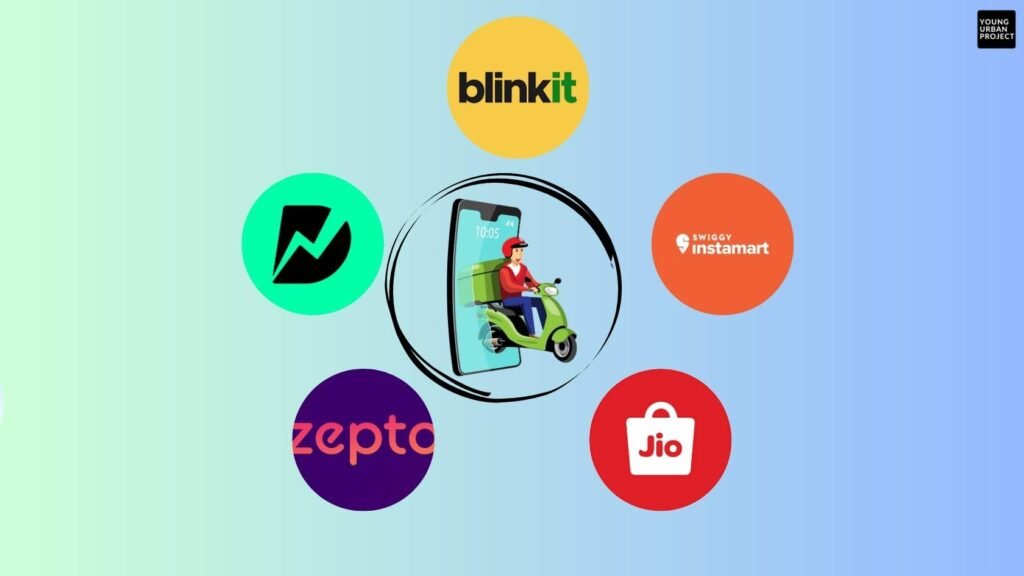
The rise of quick commerce and instant delivery is changing how Gen Z in smaller cities shops, budgets and consumes daily products. What began as a metro driven trend has now entered Tier 2 and Tier 3 markets, reshaping expectations around convenience, speed and digital buying behaviour.
This topic is informational with strong current relevance, so the tone follows an explanatory and analytical style. Quick commerce platforms have expanded rapidly, offering groceries, snacks, personal care items and essentials within minutes. As affordability rises and smartphone penetration deepens, Gen Z in non metro regions increasingly relies on these platforms for everyday needs. Their preferences are influencing local retail structures, delivery ecosystems and product demand patterns in ways that were not visible five years ago.
Why quick commerce adoption is accelerating in smaller cities
Gen Z in Tier 2 India is digitally native. With affordable data plans, rising smartphone quality and widespread UPI usage, the barriers to online shopping are negligible. As platforms scale infrastructure to smaller cities, delivery times have reduced dramatically. Younger users quickly adopt services that fit their lifestyle: late night study sessions, weekend plans, college routines, and impulse buying. The convenience of avoiding crowded markets, inconsistent product availability and transport costs also appeals to young consumers in cities where public transport is limited. This frictionless experience drives high repeat usage.
How instant delivery is changing daily and weekly buying habits
Earlier, households in smaller cities typically engaged in weekly market runs or monthly bulk shopping. Gen Z is breaking this pattern. Instant delivery encourages micro purchases: buying a snack, one missing ingredient, stationery, cosmetics or a single drink as needed. Small ticket orders have become common because there is no physical effort involved. This habit shifts consumption from planned to spontaneous. Local retailers, who traditionally relied on footfall and daily sales cycles, now compete with platforms capable of fulfilling unplanned demand efficiently. For Gen Z, the shift saves time and aligns with their flexible lifestyle.
Impact on local kirana stores and neighbourhood retail
Quick commerce platforms provide wider variety, consistent pricing and accurate stock visibility. For kirana stores, the competition is direct. Gen Z consumers prefer apps that show product lists clearly and offer discounts. However, some neighbourhood stores are adapting by joining digital marketplaces, using POS systems and partnering with quick commerce platforms as micro fulfillment points. This hybrid model helps them retain customers while tapping into online demand. In cities where kirana stores modernise quickly, they remain competitive. Where they lag, quick commerce gains a stronger foothold.
How instant delivery influences brand discovery and product choices
Secondary keyword: consumer decision making
Instant delivery apps act as discovery engines for Gen Z. Young consumers scroll through trending products, limited time discounts and curated categories. This visibility exposes them to niche brands, premium items and new formats that may not be available in local stores. As a result, consumption becomes more experimental. Categories like Korean snacks, sugar free beverages, gourmet sauces, eco friendly essentials and specialised personal care products gain traction. Brands see smaller cities as emerging markets and tailor their offerings accordingly. Gen Z’s willingness to try new items accelerates adoption across households.
Rise of late night and convenience based consumption
Secondary keyword: lifestyle driven demand
A major driver of quick commerce adoption is lifestyle. In college towns and smaller cities with large student populations, late night orders for snacks, beverages, medicine or stationery are becoming routine. Platforms operating till midnight or beyond cater to a demand pattern that traditional stores cannot match. Even working professionals in Tier 2 cities value instant delivery for convenience during busy schedules. This behavioural shift is significant because it normalises irregular buying hours and strengthens 24×7 consumption patterns in regions where shops traditionally closed early.
Economic impact on local delivery ecosystems
Secondary keyword: gig economy expansion
The growth of instant delivery expands gig opportunities in smaller cities. Delivery roles provide part time income for students, workers and migrants. As order density increases, logistics hubs, micro warehouses and delivery fleets expand. This ecosystem supports urbanisation and job creation. However, concerns around work conditions, earnings stability and road safety also emerge. The balance between speed and worker welfare becomes crucial as platforms optimise delivery timelines.
Why Gen Z preferences matter for future retail expansion
Secondary keyword: long term consumption trends
Gen Z will become the dominant consumer group in the next decade. Their early adoption of instant delivery indicates that convenience based consumption will shape future retail expansion. As they gain purchasing power, expectations for speed, transparency and ease will extend to more categories. Retailers and brands must adapt now to remain relevant. Tier 2 and Tier 3 cities, once considered slow growth markets, now act as testbeds for scalable quick commerce models.
Takeaways
Quick commerce adoption is rising rapidly among Gen Z in smaller cities.
Instant delivery shifts shopping from planned purchases to spontaneous micro orders.
Local retailers face competition but can adapt through digital integration.
Gen Z’s preferences are shaping the future of retail and brand expansion.
FAQs
Why is quick commerce growing so fast in non metro regions
Because Gen Z is highly digital, prefers convenience and values fast fulfillment that eliminates the need for frequent market visits.
Are local shops losing business to instant delivery apps
Some are, but many are adapting by joining digital platforms, improving inventory systems and partnering with quick commerce services.
What kinds of products are most popular among Gen Z buyers
Snacks, beverages, personal care items, cosmetics, stationery, ready to eat foods and trending niche products often drive instant delivery orders.
Will quick commerce continue to expand in smaller cities
Yes. As infrastructure improves and demand deepens, Tier 2 and Tier 3 cities will become major growth markets for instant delivery.










Leave a comment