

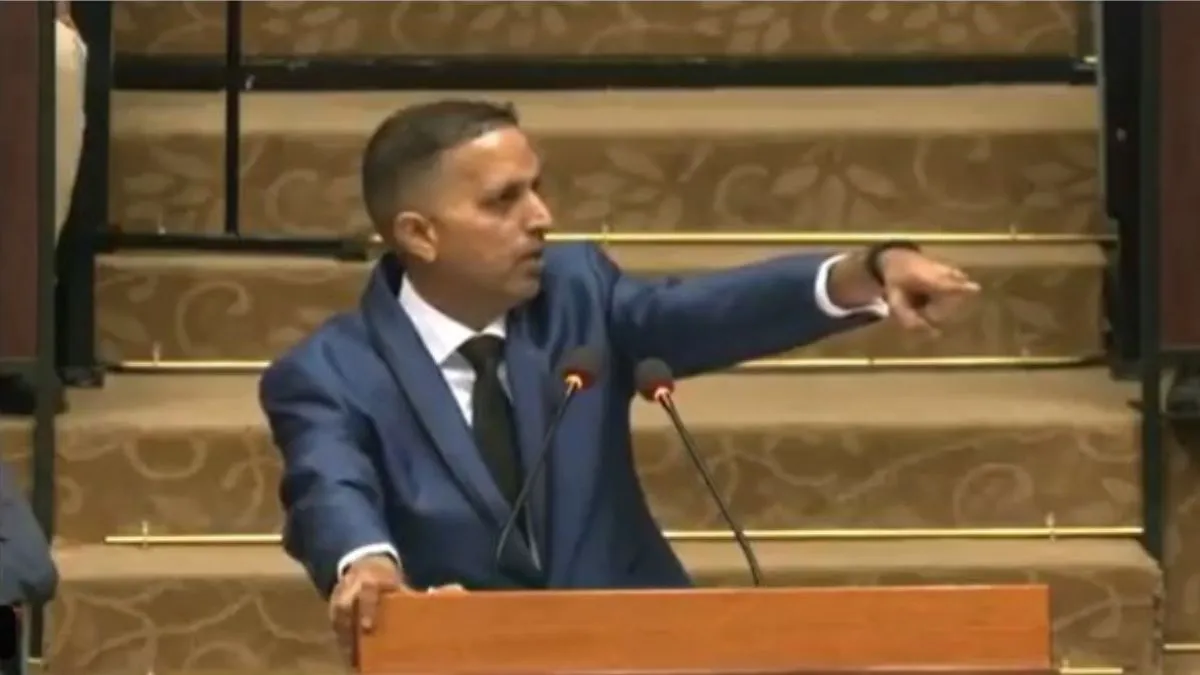
Public reaction from small towns on the Guyana minister’s Hindi speech going viral reflects a mix of cultural pride and geopolitical curiosity. As clips circulated online, audiences across Tier 2 and Tier 3 India responded with enthusiasm, linking language identity to global diplomacy.
Public reaction from small towns on the Guyana minister’s Hindi speech going viral has revealed how deeply language connects with identity in India. When a foreign minister addressed a public forum in fluent Hindi, the video quickly gained traction across social media platforms. Beyond the immediate novelty, the response from non metro regions highlights a broader trend where language pride intersects with geopolitics and digital culture.
Why the Hindi Speech Went Viral
The speech resonated for two primary reasons. First, it showcased a foreign political leader communicating in Hindi with clarity and confidence. Second, it tapped into India’s emotional connection with its diaspora, particularly in countries like Guyana, where a significant population traces roots back to Indian indentured laborers who migrated in the nineteenth century.
Social media algorithms amplified the clip through shares, short video edits and regional language captions. In cities like Kanpur, Nagpur and Gorakhpur, local WhatsApp groups and Facebook pages circulated the speech as a moment of global recognition for Hindi. The tone online was celebratory rather than political.
The virality was not accidental. Language based content tends to perform strongly in India’s digital ecosystem, especially when it reinforces cultural affirmation.
Small Town India and Language Identity
Hindi remains a dominant language across large parts of northern and central India. In smaller towns, linguistic pride is closely tied to identity, education and public life. When a foreign dignitary uses Hindi on an international stage, it is perceived as validation of cultural influence.
Tier 2 and Tier 3 audiences often feel that global conversations prioritize English. A viral speech in Hindi disrupts that narrative. It signals that Indian languages have international relevance. For youth in Indore or Varanasi, this becomes a shareable symbol of soft power.
The reaction also reflects rising confidence in India’s global standing. Economic growth, digital expansion and diplomatic outreach have contributed to a perception that Indian culture is gaining global recognition. Language becomes an accessible marker of that shift.
Diaspora Connections and Historical Context
Guyana has a large Indo Guyanese population descended from laborers who left India during the colonial period. Many retained cultural practices, religious traditions and elements of language. Over time, English became dominant in public life there, but Hindi and Bhojpuri influences survived in cultural forms.
When a Guyanese minister speaks Hindi, it evokes this shared heritage. For audiences in small towns, especially in Uttar Pradesh and Bihar, where many migrants originally came from, the connection feels personal.
This historical layer adds depth to the online reaction. It is not merely about a speech but about centuries old migration patterns and the endurance of cultural memory.
Language Pride Meets Digital Geopolitics
The viral moment also intersects with geopolitics. India has expanded diplomatic engagement with Caribbean nations in recent years. Cultural diplomacy, including language exchange and diaspora outreach, plays a role in strengthening ties.
Online reactions from small towns often frame such speeches as evidence of India’s growing influence. Comments frequently reference friendship between nations and respect for Indian culture abroad.
However, it is important to separate symbolic pride from policy substance. While language can enhance diplomatic warmth, trade agreements, development cooperation and strategic partnerships are driven by broader economic and political considerations.
Still, digital platforms blur these lines. A short clip can become a proxy for national pride and geopolitical narrative.
Social Media Amplification in Regional India
Small town internet penetration has grown rapidly due to affordable smartphones and data plans. Platforms such as YouTube Shorts, Instagram Reels and regional language news apps ensure that viral content spreads quickly beyond metro audiences.
Local influencers and regional pages often contextualize such clips with captions emphasizing pride and cultural respect. This framing shapes audience perception. In many cases, the speech is shared without full geopolitical context, focusing instead on emotional impact.
The response demonstrates how social media now acts as a bridge between foreign policy events and grassroots sentiment.
What This Means for Cultural Diplomacy
The enthusiastic reaction from smaller cities indicates that language remains a powerful diplomatic tool. Cultural familiarity can create goodwill that formal statements sometimes cannot.
For policymakers, this suggests that outreach in Indian languages can resonate deeply with domestic audiences. For foreign leaders, using local languages thoughtfully can strengthen people to people connections.
At the same time, sustainable diplomacy requires consistent engagement beyond viral moments. Speeches generate visibility, but long term partnerships depend on concrete cooperation.
Takeaways
The Guyana minister’s Hindi speech gained traction because it combined cultural familiarity with international diplomacy.
Small town audiences responded strongly due to deep rooted language pride and identity.
Diaspora history between India and Guyana adds emotional and historical context to the reaction.
Viral cultural moments can support soft power but must be backed by substantive diplomatic engagement.
FAQs
Why did the speech resonate more in small towns.
Language pride is closely linked to identity in non metro regions, where Hindi and regional languages dominate public life.
Does this viral moment affect India Guyana relations.
It strengthens public goodwill and cultural connection, though formal relations depend on broader diplomatic efforts.
Is Hindi widely spoken in Guyana.
English is the official language, but Indo Guyanese communities maintain cultural ties that include elements of Hindi and Bhojpuri heritage.
Can language influence geopolitics.
Language can enhance soft power and public perception, which indirectly supports diplomatic relationships.








Leave a comment