


Indian startup layoffs have crossed 4,500 job cuts since July, reflecting funding pressure, regulatory tightening in real money gaming and a strategic pivot toward artificial intelligence. The correction signals a shift from aggressive expansion to operational discipline across India’s startup ecosystem.
Indian startup layoffs are once again in focus as companies recalibrate costs amid slower funding cycles and sector-specific disruptions. Since July, more than 4,500 employees across multiple startups have been laid off, according to aggregated industry tracking and company disclosures. The layoffs span fintech, edtech, SaaS and particularly real money gaming platforms that have been hit by taxation changes and compliance tightening.
The current wave differs from the 2022 funding winter. This time, cuts are more targeted. Founders are trimming non-core verticals, consolidating teams and automating processes rather than shutting down entirely.
Funding Slowdown and Profitability Push
The funding slowdown remains a central driver behind the recent startup job cuts. Venture capital inflows into Indian startups moderated compared to peak years of 2021 and early 2022. Investors are prioritizing profitability, unit economics and revenue predictability over hypergrowth.
Many growth-stage startups that hired aggressively during capital-rich periods are now restructuring. High cash burn rates are no longer tolerated. Companies are focusing on extending runway rather than chasing valuation milestones.
This shift has forced workforce rationalization. Mid-level management roles, experimental product teams and expansion units have been most affected. Hiring freezes have also been implemented in several companies, especially those dependent on external capital rather than internal revenue generation.
Real Money Gaming Sector Faces Structural Impact
The real money gaming industry has experienced a sharper contraction. The implementation of a 28 percent GST on the full face value of bets significantly altered cost structures for online gaming platforms. This regulatory move increased compliance burdens and squeezed margins.
Several gaming startups have either reduced workforce size or paused expansion plans. Marketing budgets have been cut, and user acquisition strategies have been recalibrated. Smaller operators have faced consolidation pressure, while larger platforms are restructuring operations to absorb the tax impact.
The sector’s layoffs form a visible portion of the 4,500 plus job cuts reported since July. While the gaming market remains active, the cost economics have fundamentally changed. Companies are focusing on operational efficiency and selective scaling rather than aggressive growth.
AI Pivot Reshaping Workforce Requirements
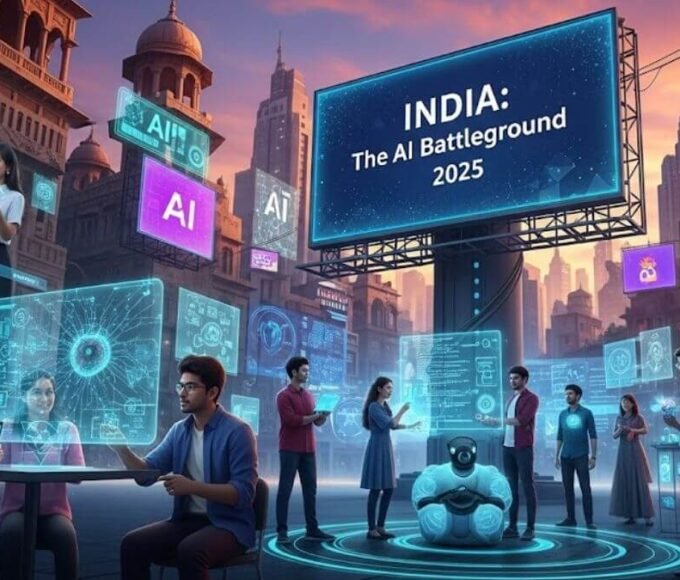
Another major factor influencing Indian startup layoffs is the pivot toward artificial intelligence. Startups across sectors are integrating generative AI tools to automate customer support, coding, content generation and analytics functions.
As AI adoption increases, certain roles are being redefined or eliminated. Routine operational tasks that previously required large teams can now be managed with smaller AI-assisted units. This transition is not purely cost-cutting but structural.
At the same time, demand for specialized AI engineers, data scientists and machine learning experts has increased. Companies are reallocating budgets from generalist roles to high-skill technology talent.
This creates a paradox. While overall layoffs rise, selective hiring continues in AI-focused verticals. The net effect is workforce reshaping rather than complete contraction.
Sector-Wise Breakdown of Layoffs
Edtech, fintech and SaaS companies have also contributed to the layoff tally. Edtech firms continue to adjust post-pandemic demand normalization. Fintech startups are navigating tighter regulatory oversight and slower lending growth. SaaS companies are aligning sales teams with global demand cycles.
Unlike the earlier mass layoffs, current reductions are often phased. Companies are offering voluntary separation packages and internal role transitions where possible.
Geographically, the impact is concentrated in Bengaluru, Delhi NCR and Mumbai, but employees in Tier 2 cities working in remote roles have also been affected. The distributed work model means layoffs are no longer limited to metro offices.
Founder Strategy Shifts in 2026
The broader startup ecosystem is entering a maturity phase. Founders are emphasizing governance, compliance and capital efficiency. Investor boards are demanding clearer profitability roadmaps.
Expansion into new verticals without validated revenue models is being discouraged. Instead, startups are doubling down on core strengths.
The layoffs, though difficult for employees, reflect this recalibration. Many companies remain operationally stable but are trimming excess hiring from previous growth cycles.
Hiring trends suggest that while large team expansions are unlikely in the short term, specialized recruitment in AI, cybersecurity and data infrastructure will continue.
Outlook for the Indian Startup Ecosystem
Despite the spike in Indian startup layoffs, the ecosystem remains active. India continues to host one of the largest startup bases globally, with strong digital adoption and expanding consumer markets.
The current correction may strengthen long-term sustainability. Companies that survive this period are likely to operate with stronger financial discipline.
Employees affected by layoffs are increasingly exploring freelancing, consulting and startup founding opportunities. The talent pool remains strong, and sector mobility is relatively high.
The coming quarters will determine whether layoffs stabilize or continue in waves depending on funding recovery and macroeconomic signals.
Takeaways
Indian startup layoffs have crossed 4,500 since July across multiple sectors
Real money gaming companies are heavily impacted due to taxation changes
AI adoption is reshaping workforce needs rather than eliminating growth entirely
Startups are prioritizing profitability and operational efficiency over expansion
FAQs
Q1. Why have Indian startup layoffs increased since July?
Layoffs are driven by funding moderation, regulatory changes in gaming and a strategic pivot toward AI-led automation and cost control.
Q2. Which sectors are most affected?
Real money gaming, edtech, fintech and certain SaaS companies have reported notable workforce reductions.
Q3. Is the AI pivot causing job losses?
AI integration is reducing some routine roles but increasing demand for specialized technology talent. It is a structural shift rather than a complete hiring freeze.
Q4. Are Indian startups in crisis?
The ecosystem is undergoing correction, not collapse. Many companies remain operationally stable but are focusing on profitability and sustainable growth.











Leave a comment