

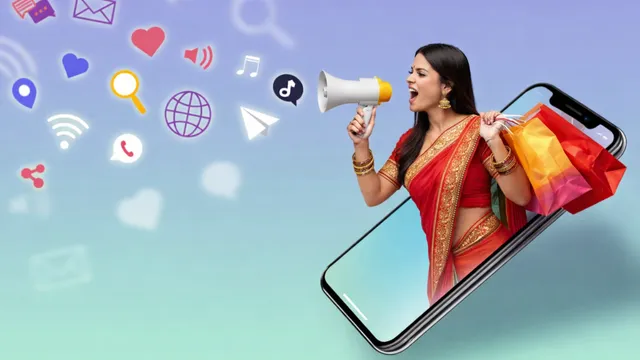
Regional influencers are becoming an important part of India’s digital marketing landscape as brands look beyond major metropolitan cities to connect with consumers. By combining local languages, cultural familiarity and trusted community relationships, regional creators can help businesses reach audiences that conventional celebrity-led campaigns may not engage effectively.
Why Regional Influencer Marketing Is Growing in India
Influencer marketing in India is expanding beyond Mumbai, Delhi, Bengaluru and other major metropolitan centres. Brands are increasingly exploring creators who speak to audiences in Tier-2 and Tier-3 cities, where purchasing decisions are shaped by local culture, language, family preferences and community recommendations.
The shift is connected to India’s wider digital expansion. Affordable smartphones, mobile internet and social media platforms have made video content accessible to audiences across different income groups and geographical regions. Instagram, YouTube and short-video platforms allow creators to build communities around regional entertainment, food, fashion, education, travel and everyday experiences.
For brands, this creates an opportunity to communicate with consumers in a more familiar setting. A creator from Nagpur discussing a local restaurant, for example, may understand the city’s food preferences and neighbourhood culture better than a national celebrity with a broad but less locally connected audience.
Regional influencer marketing does not replace national campaigns. Instead, it gives businesses another way to reach specific consumer groups with messages that feel relevant to their daily lives.
Regional Languages Help Brands Build Consumer Trust
Language is one of the strongest reasons regional creators matter. India’s audiences do not consume digital content in a single language, and a campaign that works in English or Hindi may not communicate equally well in Marathi, Tamil, Telugu, Bengali, Gujarati or other languages.
The Internet and Mobile Association of India and Kantar’s Internet in India 2024 report estimated that 870 million internet users accessed content in Indic languages during 2024. It also found that 57% of urban internet users preferred accessing internet content in Indic languages. These findings highlight the scale of demand for content that reflects India’s linguistic diversity.
Regional creators can make brand messages easier to understand by using familiar expressions, local humour, cultural references and everyday situations. A Marathi-speaking creator explaining a financial service, for example, may help audiences understand its basic features in the language they use at home.
That familiarity can support engagement, but it does not automatically guarantee trust or sales. A creator’s credibility depends on the quality of their content, transparency about paid partnerships and the relevance of the product to their audience.
Brands should therefore assess not just the language a creator uses, but also whether their communication is accurate, responsible and appropriate for the intended audience.
Why Micro and Nano Influencers Matter to Businesses
Regional influencer marketing is not limited to creators with millions of followers. Micro and nano influencers often serve smaller, clearly defined communities and may offer brands a practical way to reach audiences in a particular city, district or interest group.
A food creator who regularly reviews restaurants in Indore, for example, may be more useful to a new local café than a celebrity whose audience is spread across the country. Similarly, a regional beauty creator may be able to demonstrate how a product fits into local routines, preferences and budgets.
Industry research increasingly points towards more targeted, measurable influencer campaigns. Kofluence’s 2025 research highlighted regional creators, niche audiences and performance measurement as important developments in the Indian creator economy.
For brands, smaller creators can also offer more flexible campaign formats, including product demonstrations, local event coverage, tutorials, customer stories and recurring collaborations. The right approach depends on the campaign objective, creator fees, audience quality and the time needed to produce effective content.
However, follower count alone is not a reliable measure of influence. Businesses should examine audience location, average views, engagement quality, past brand collaborations and the creator’s ability to communicate clearly. A smaller creator with an active, relevant audience may be a better fit than a larger account with limited local reach.
How Regional Creators Help Local and National Brands
Regional influencers can serve different purposes depending on the size and objectives of a business. Local retailers may use creators to announce a store opening, introduce a new product or promote a city-specific offer. National brands can use regional campaigns to adapt a broader marketing strategy to different markets.
For example, a clothing brand entering Maharashtra could collaborate with Marathi-speaking creators to demonstrate products in familiar settings. A restaurant chain expanding into Madhya Pradesh might work with food creators who understand local dining preferences. A financial services company could use regional-language videos to explain digital payments, account features or fraud-prevention practices.
These examples illustrate potential uses rather than guaranteed results. A successful campaign still requires suitable products, accurate messaging, appropriate pricing and a clear understanding of the audience.
Regional creators can also help brands discover how consumers respond to different products and messages. Comments, questions and direct feedback may reveal concerns that a national advertising campaign would overlook. Businesses can use these insights to refine their communication, provided they interpret feedback carefully rather than treating social media reactions as representative of every consumer.
For smaller businesses, regional collaborations may also offer a way to test marketing ideas before committing to larger campaigns. By comparing results across creators and locations, businesses can identify which audiences respond most effectively.
Challenges in Regional Influencer Marketing
Despite its potential, regional influencer marketing comes with operational challenges. Brands working across several states may need to coordinate different languages, campaign schedules, creative formats, payment arrangements and reporting standards.
Quality control is particularly important. A creator may have strong local reach but lack experience in explaining a technical product or following a brand’s communication requirements. Poorly translated scripts, inaccurate claims and culturally inappropriate humour can weaken a campaign.
Measurement is another concern. Views and likes indicate activity, but they do not necessarily demonstrate business results. Brands should define their objectives before launching a campaign and select suitable metrics, such as qualified enquiries, website visits, store visits, coupon redemptions or completed purchases.
Fraudulent engagement also needs attention. Businesses should review unusual follower patterns, inconsistent engagement and the quality of comments before entering into paid partnerships.
Disclosure of sponsored content is equally important. India’s advertising guidelines require influencers to disclose material connections with advertisers clearly and prominently. The Advertising Standards Council of India’s influencer advertising guidelines provide guidance on disclosures such as Paid Partnership, Ad and Sponsored, depending on the format and context. Creators promoting products in regulated categories must also follow the applicable sector-specific requirements.
A regional campaign should therefore be evaluated on relevance, credibility, compliance and measurable outcomes, not simply its reach.
How Brands Can Build an Effective Regional Creator Strategy
Businesses looking to work with regional influencers should begin by identifying the audience they want to reach. A campaign aimed at young professionals in Nagpur will require a different creator profile from one targeting families in smaller towns across Uttar Pradesh.
The next step is to shortlist creators based on content quality, audience location, language, subject expertise and engagement patterns. Reviewing previous sponsored posts can help brands understand whether a creator integrates products naturally and communicates promotional claims responsibly.
Brands should also give creators room to retain their individual style. Overly scripted content can feel disconnected from the creator’s usual communication, reducing its appeal to followers. At the same time, campaign briefs should clearly specify factual requirements, deliverables, deadlines, disclosure obligations and approval procedures.
Finally, businesses should evaluate performance after publication. Comparing results across locations and creator categories can help determine where future spending is justified. Longer-term partnerships may be useful when a creator consistently delivers relevant content and meets campaign objectives.
For regional creators, professionalisation matters just as much. Maintaining a media kit, sharing transparent performance data, documenting brand agreements and disclosing paid collaborations can improve their ability to work with established businesses.
The Future of Regional Influencer Marketing in India
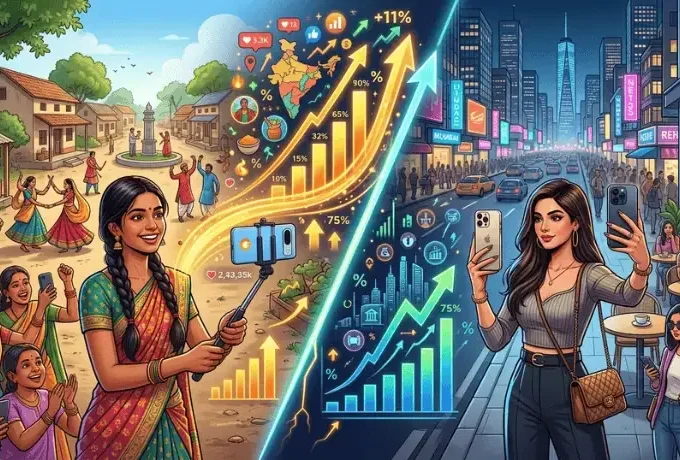
Regional influencer marketing reflects a broader change in how brands approach India’s diverse consumer market. Digital audiences outside metropolitan centres are not simply extensions of metro audiences. They have their own languages, cultural references, local priorities and purchasing habits.
Research from IAMAI and Kantar demonstrates the importance of Indic-language internet use, while industry reports point towards growing interest in niche and regional creators. Together, these developments give businesses a clear reason to consider regional audiences more deliberately in their digital strategies.

IAMAI
+1
The next phase of growth will depend on the quality of these partnerships. Brands will need better audience research, reliable performance measurement and consistent disclosure practices. Creators, meanwhile, will need to balance authenticity with professional standards.
Regional influencers are not automatically more effective than celebrities or metro-based creators. Their value lies in reaching the right audience with relevant content. For brands willing to understand local markets, that can create a meaningful advantage in a competitive digital environment.
Key Takeaways
- Regional creators help brands connect with audiences through familiar languages, cultural references and locally relevant content.
- Micro and nano influencers can be useful for targeted campaigns when their audiences match a brand’s objectives.
- Businesses should measure campaign outcomes through relevant metrics rather than relying only on follower counts, views or likes.
- Transparent sponsorship disclosures, accurate messaging and audience quality are essential for building responsible regional influencer partnerships.
Frequently Asked Questions
1. What is regional influencer marketing?
Regional influencer marketing involves working with digital creators who connect with audiences in particular languages, cities, states or cultural communities. Brands use these partnerships to make campaigns more relevant to specific consumer groups.
2. Why are regional creators important for Indian brands?
They can help brands communicate in familiar languages, understand local preferences and reach audiences beyond major metropolitan markets. Their effectiveness depends on audience relevance, content quality and campaign objectives.
3. Are micro-influencers better than celebrity influencers?
Not in every situation. Celebrities may offer broad reach and mass awareness, while micro-influencers can provide more targeted access to specific communities. The appropriate choice depends on the product, audience, budget and desired outcome.
4. How can brands measure regional influencer campaign performance?
Brands can track audience reach, relevant engagement, qualified enquiries, website visits, store visits, coupon redemptions and sales. They should choose metrics that align with the campaign’s purpose and assess results alongside the cost of the collaboration.







Leave a comment