

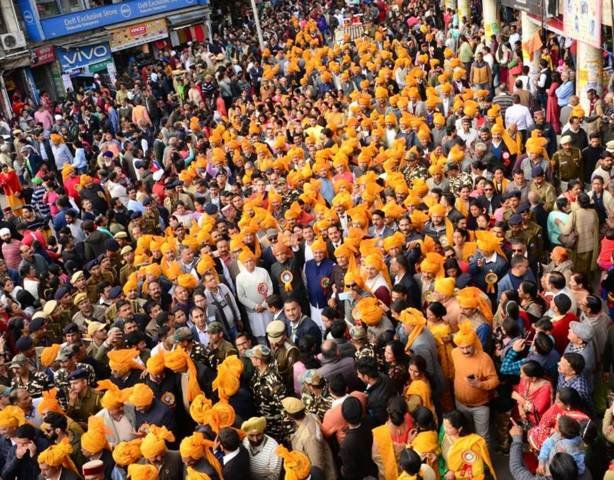
Mahashivratri social media narratives are rapidly reshaping how young Indians engage with one of the country’s most significant Hindu festivals. While traditional observance remains rooted in fasting, temple visits, and night long prayers, digital platforms are amplifying new forms of participation and expression.
Mahashivratri social media trends have become a defining feature of the festival in recent years, particularly among Gen Z and millennials. Platforms such as Instagram, YouTube, and short video apps are filled with devotional reels, aesthetic edits of temple visits, and spiritual storytelling content. At the same time, traditional observance practices such as jagran, abhishekam, and fasting continue to dominate offline spaces. The contrast between digital performance and ritual discipline reveals how faith is being interpreted in a hyper connected era.
Traditional Observance: Ritual Discipline and Community Faith
Mahashivratri has historically centered on devotion to Lord Shiva through fasting, chanting of mantras, temple visits, and night long vigil known as jagran. Many devotees observe a strict fast, consuming only fruits and milk, while others follow a partial fast depending on regional customs. Temples across India witness heavy footfall, especially at major Shiva shrines.
In smaller towns and Tier 2 cities, the festival retains a strong community dimension. Local mandirs organize bhajan sessions, Rudrabhishek rituals, and processions. Families participate collectively, and elders often guide younger members through the significance of the night. The focus remains on spiritual purification and meditation rather than spectacle.
The ritual of offering bel leaves, milk, water, and dhatura to the Shiva lingam continues to be central. These practices are deeply rooted in scriptural tradition and have remained largely unchanged despite technological shifts. For many households, Mahashivratri is less about visibility and more about inward reflection.
Youth Engagement: Devotion Meets Digital Expression
The rise of youth culture on social media has transformed how Mahashivratri is experienced publicly. Devotional reels with cinematic music overlays, slow motion temple shots, and stylized portraits in traditional attire dominate feeds. Hashtags linked to Mahashivratri trend annually, driving high engagement rates across platforms.
Many young users share short explainer videos about the significance of the festival. These clips simplify mythological narratives, discuss the story of Shiva and Parvati, or highlight the symbolism of fasting. This format has increased awareness among urban youth who may not be deeply connected to ritual detail but are curious about cultural meaning.
Another trend involves aesthetic spirituality. Content creators curate visually striking posts featuring rudraksha beads, tridents, incense smoke, and temple backdrops. While critics argue that this commodifies faith, supporters view it as cultural pride expressed through modern mediums. The digital layer does not replace devotion but reframes how it is displayed.
Viral Content Snapshots: What Is Trending
Every Mahashivratri sees certain content formats go viral. One recurring trend is the transformation reel, where users shift from casual attire to traditional clothing with a devotional soundtrack. These clips often accumulate millions of views within hours. The visual storytelling appeals to younger audiences who value identity expression.
Another popular format includes live streaming from prominent temples. Devotees unable to travel use digital broadcasts to participate virtually in aarti ceremonies. This hybrid participation bridges geography, especially for migrants living away from their hometowns.
Memes also surface during the festival. Some focus on fasting struggles, sleepless nights during jagran, or humorous takes on devotion. While light hearted, these posts generate high shareability. However, they occasionally spark debates on respect and sensitivity, especially when humor intersects with religious sentiment.
Influencers and Public Figures in Festival Narratives
Public figures and digital influencers play a notable role in amplifying Mahashivratri narratives. Celebrities posting temple visits or sharing devotional messages significantly increase online traction. Their content often shapes trending hashtags and visual styles.
In recent years, spiritual influencers have gained prominence. They use the occasion to share discourses on meditation, yoga, and the philosophical dimension of Shiva as consciousness. This has broadened the festival’s digital narrative beyond ritual into personal development themes.
Brand participation is also visible. Many companies release festival themed creatives and limited time campaigns. While marketing activity boosts reach, audiences are increasingly critical of overt commercialization during sacred observances. The balance between cultural celebration and brand messaging remains delicate.
Tradition vs Trend: Conflict or Coexistence
The perceived tension between youth trends and traditional observance is often overstated. In many cases, young devotees actively participate in rituals before sharing content online. The digital expression becomes an extension rather than a substitute for faith.
However, there is a generational shift in how spirituality is articulated. Older generations prioritize silence, discipline, and collective prayer. Younger participants are comfortable blending devotion with creativity and personal branding. Both approaches coexist, though occasional friction emerges around authenticity.
What is clear is that Mahashivratri is no longer confined to temple walls. Social media has expanded the festival’s visibility, allowing cultural narratives to travel beyond regional boundaries. The core ritual framework remains intact, but its representation continues to evolve.
Takeaways
• Mahashivratri social media trends are reshaping public expressions of devotion among youth
• Traditional rituals such as fasting and jagran remain central across towns and cities
• Viral content formats include transformation reels, temple livestreams, and devotional explainers
• Digital participation is expanding cultural reach without fully replacing ritual practice
FAQs
How has social media changed Mahashivratri celebrations
Social media has increased visibility and allowed youth to share devotional content, temple visits, and festival explanations with wider audiences.
Do young people still follow traditional Mahashivratri rituals
Yes. Many young devotees observe fasting, attend temple ceremonies, and participate in jagran before sharing their experiences online.
Why do Mahashivratri reels go viral every year
The festival combines strong visual symbolism, music, and emotional storytelling, making it ideal for short form video platforms.
Is commercialization affecting the religious nature of the festival
Brand participation and influencer content are increasing, but traditional observance practices continue to remain deeply rooted in communities.







Leave a comment