

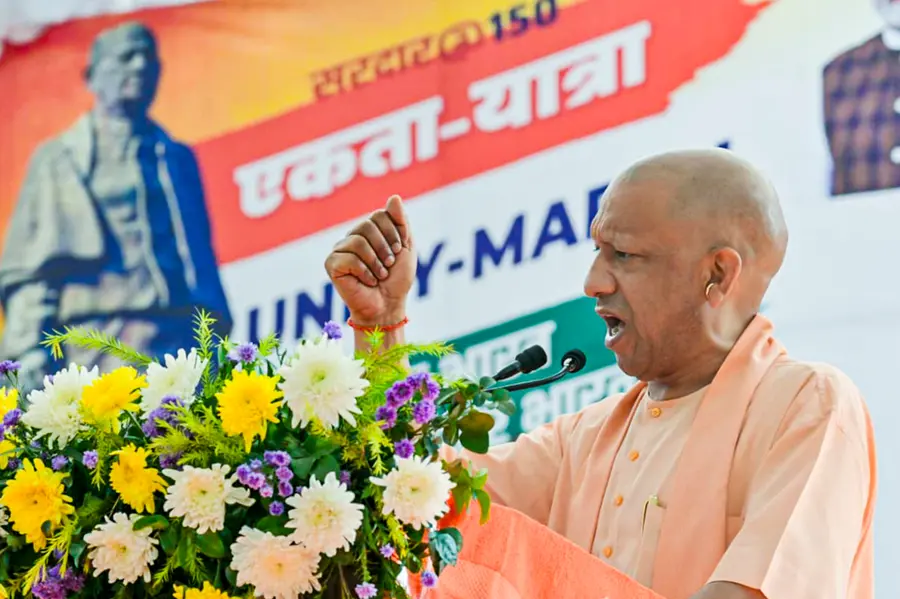
Uttar Pradesh has instructed all government and aided schools to include singing of Vande Mataram during morning assemblies. The move has sparked discussion on cultural education, administrative implementation and practical challenges, especially in semi urban and rural schools.
The mandatory singing of Vande Mataram in Uttar Pradesh schools is a state level directive issued as part of school assembly guidelines. The policy applies to government and government aided schools and aims to include the national song in daily assemblies along with existing routines such as prayer, pledge and news reading. The state’s education department has presented the directive as a cultural awareness measure within the school environment. Reactions have varied across regions, with some schools implementing the instruction smoothly and others raising concerns regarding training, consistency and community sensitivity.
Subhead: Policy Context And Administrative Intent
The Uttar Pradesh school education department issues periodic assembly and curriculum guidelines. The inclusion of Vande Mataram is positioned as part of civic education and national identity modules taught in schools. Officials have stated that the objective is to strengthen awareness of India’s historical and cultural heritage. Vande Mataram is recognized as the national song of India, while Jana Gana Mana is the national anthem. The directive aligns with broader curriculum efforts that emphasize constitutional values, national symbols and civic responsibilities. From a policy standpoint, the directive is framed as cultural instruction rather than a shift in academic structure.
Subhead: Implementation In Semi Urban And Rural Schools
Implementation varies significantly across semi urban and rural schools due to differences in staff training, administrative discipline and student familiarity. Schools in district headquarters and larger towns often have structured assembly routines and microphone systems, making implementation easier. In smaller blocks, assemblies may be less standardized, and some students may not be familiar with the full lyrics. Teachers in several schools have reported the need for additional practice sessions and printed material for students. In some rural areas, schools have requested instructional support to ensure correct pronunciation and collective singing rather than fragmented recitation. Monitoring is primarily handled through block and district education offices that periodically review assembly practices during school inspections.
Subhead: Cultural Education And Student Identity Formation
The directive highlights the role of schools in shaping cultural understanding. In classrooms, cultural education is often taught through textbooks rather than shared rituals. Morning assemblies offer collective participation that can reinforce memory and recognition of national symbols. Advocates of the directive argue that shared singing promotes unity and civic identity among students from varied backgrounds. They also emphasize that India has historically used music and recitation as tools for cultural transmission. However, some educators note that meaningful cultural learning depends on explanation and context, not just repetition. Without teaching the historical background of Vande Mataram and its place in the freedom movement, the exercise risks becoming routine rather than instructive.
Subhead: Sensitivity And Community Considerations
Public policy in education intersects with community expectations. In some regions, parents and local leaders have raised questions regarding how implementation may be received by different social groups. While the directive does not change legal or religious frameworks, administrators are aware that school practices can influence community sentiment. Officials have emphasized that the directive is not intended to force participation against personal or religious beliefs and that schools should handle situations with sensitivity. Maintaining a constructive environment requires clear communication, transparent reasoning and balanced instruction that focuses on shared heritage rather than identity differences.
Subhead: Teacher Training And Support Requirements
Teachers are central to the success of this directive. Many schools have requested guidance materials that explain both the meaning and historical context of Vande Mataram. Training modules, audio recordings and classroom discussion templates can help ensure that students understand the significance rather than simply memorizing lyrics. Without sufficient resources, implementation may become uneven, affecting consistency across regions. Teacher education programs may need to add short modules on cultural instruction, assembly planning and student engagement strategies. This approach ensures that assemblies contribute to learning outcomes rather than becoming administrative compliance tasks.
Subhead: Educational Value Depends On Balanced Execution
For any policy involving cultural practices in schools, the impact depends on how it is executed at the school level. A balanced approach combines collective participation with explanation, student engagement and respect for diverse backgrounds. If implemented carefully, the directive can provide an opportunity to deepen understanding of national heritage and strengthen community belonging. If executed mechanically or without context, it may create confusion or resistance. The key lies in framing the practice as part of civic education rather than symbolic enforcement.
Takeaways:
• Uttar Pradesh has directed schools to include Vande Mataram in morning assemblies as part of cultural education.
• Implementation varies across semi urban and rural schools due to differences in staff resources and familiarity.
• Effective execution requires explanation of historical context and teacher support.
• Sensitivity and clear communication are essential to maintain a constructive learning environment.
FAQ:
Q1: Is singing Vande Mataram legally mandatory in all schools?
A1: The directive applies to government and aided schools within Uttar Pradesh. Private schools may follow separate administrative guidelines depending on affiliation.
Q2: Does the directive replace the national anthem?
A2: No. Jana Gana Mana remains the national anthem and continues to be part of school ceremonies. Vande Mataram is included as an additional cultural component during assemblies.
Q3: How are schools handling unfamiliarity with lyrics?
A3: Many schools are conducting practice sessions, distributing printed lyrics and using recorded versions to help students learn collectively.
Q4: Can students opt out due to personal beliefs?
A4: Administrators are encouraged to handle individual circumstances with sensitivity and maintain a respectful environment while carrying out the directive.








Leave a comment