

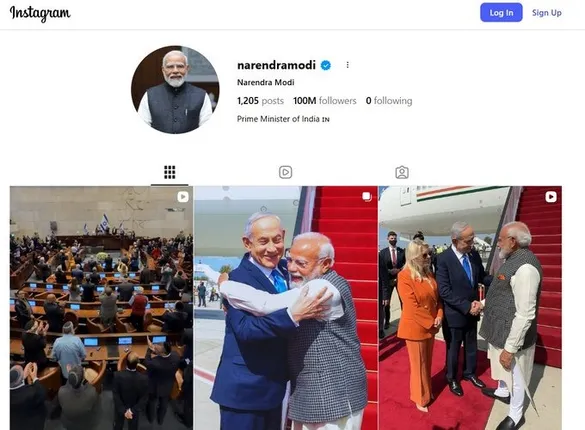
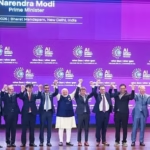
Prime Minister Narendra Modi has crossed 100 million followers on Instagram, becoming the first serving world leader to reach the milestone. The development highlights the growing power of digital politics and the central role social media now plays in public engagement.
PM Modi becomes first world leader with 100M+ Instagram followers at a time when political communication has shifted decisively to digital platforms. The milestone is not just symbolic. It reflects how leaders use visual storytelling, direct messaging, and algorithm driven outreach to shape public perception and connect with citizens beyond traditional media channels.
The Rise of Digital Politics in India
Over the past decade, India has witnessed rapid growth in internet penetration and smartphone adoption. Affordable data plans and expanding 4G coverage have pushed millions online, including users in Tier 2 and Tier 3 cities. Social media platforms such as Instagram, Facebook, X, and YouTube have become central to political communication.
PM Modi was among the earliest global leaders to adopt a strong social media strategy. His posts typically blend governance updates, cultural moments, international diplomacy visuals, and personal messages during festivals or national events. This mix allows him to reach diverse demographics.
Instagram in particular has evolved from a lifestyle platform into a political engagement tool. Short videos, reels, and image posts generate high interaction, especially among younger audiences.
How 100 Million Followers Changes Political Communication
Crossing 100 million followers on Instagram gives a political leader a direct broadcast channel comparable to major media networks. Unlike television or print, social media allows real time interaction through comments, stories, live sessions, and polls.
For PM Modi, this means policy announcements, diplomatic highlights, and public appeals can reach a vast audience instantly. Engagement metrics such as likes, shares, and comments also offer immediate feedback on messaging effectiveness.
The scale matters globally. While former and current world leaders maintain significant followings, reaching 100 million followers places an account among the largest political presences worldwide. It demonstrates how personal branding and governance messaging increasingly intersect.
Instagram Strategy and Youth Engagement
A key driver of this growth has been youth engagement. India has one of the largest populations under the age of 35. Instagram remains especially popular among this demographic.
Posts featuring behind the scenes glimpses of international visits, interactions with athletes and artists, and festival greetings often receive high engagement. Reels and short form videos align with changing consumption patterns, where visual content dominates over text heavy communication.
This approach strengthens political recall among first time voters and urban youth. It also helps shape narratives around policy achievements in infrastructure, digital governance, and welfare schemes.
Global Comparison and Soft Power Impact
Reaching 100 million followers carries international implications. Social media presence now contributes to a country’s soft power. A widely followed leader amplifies diplomatic messages, cultural campaigns, and global initiatives.
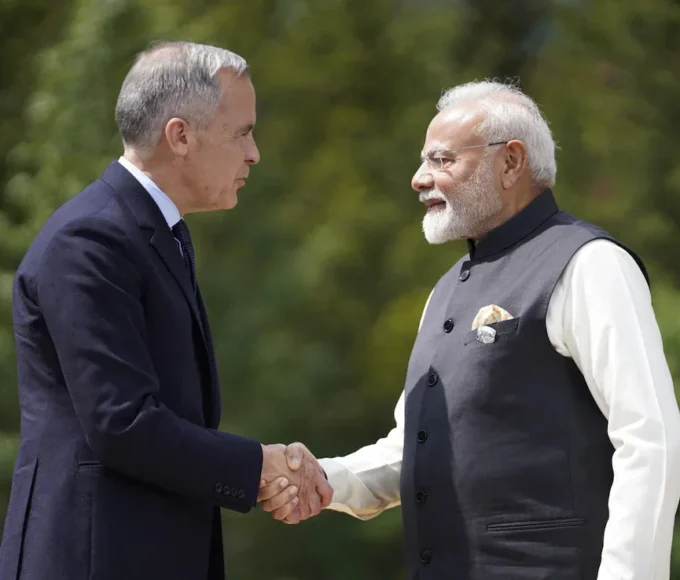
When PM Modi posts about international summits, climate commitments, or bilateral visits, the content is consumed not only domestically but also by global audiences. This enhances India’s digital diplomacy footprint.
In the era of digital politics, follower counts are not merely vanity metrics. They influence narrative visibility and agenda setting. A single post can generate international headlines, particularly during geopolitical events.
Criticism, Algorithm, and Accountability
High follower counts also bring scrutiny. Social media algorithms can amplify certain narratives while limiting others. Critics argue that political communication through curated posts may reduce space for tough questioning.
At the same time, the open comment structure of platforms like Instagram exposes leaders to public criticism in real time. Viral debates can emerge quickly if content is perceived as controversial.
Therefore, digital engagement requires careful balance. Authentic communication, factual accuracy, and responsiveness are essential to maintain credibility at scale.
What This Means for Indian Politics
PM Modi crossing 100 million Instagram followers underscores how digital first campaigning is now central to Indian politics. Other political leaders and parties are also investing heavily in content teams, data analytics, and influencer collaborations.
Future elections are likely to see even greater emphasis on short form video, targeted messaging, and interactive engagement. Tier 2 and Tier 3 cities, where mobile internet adoption continues to grow, will play a decisive role in shaping digital discourse.
The milestone reflects a structural shift. Political authority is no longer communicated solely through rallies and press conferences. It is now reinforced daily through curated feeds, visual storytelling, and algorithm driven reach.
Takeaways
• PM Modi is the first serving world leader to cross 100 million Instagram followers
• Social media now functions as a direct communication channel for political messaging
• Youth engagement and visual storytelling drive digital growth
• Large follower bases strengthen digital diplomacy and soft power influence
FAQs
Q1. Why is 100 million Instagram followers significant for a political leader?
It represents massive direct reach, allowing policy communication and public messaging without relying solely on traditional media channels.
Q2. Does follower count equal political support?
Not necessarily. Follower numbers indicate reach and visibility, but electoral support depends on multiple factors including ground campaigns and policy performance.
Q3. How does Instagram influence Indian elections?
Instagram shapes narrative building, youth engagement, and rapid dissemination of campaign messages, especially in urban and semi urban regions.
Q4. Can social media replace traditional political outreach?
It complements but does not fully replace rallies, grassroots engagement, and mainstream media. A hybrid approach is now common.





Leave a comment