

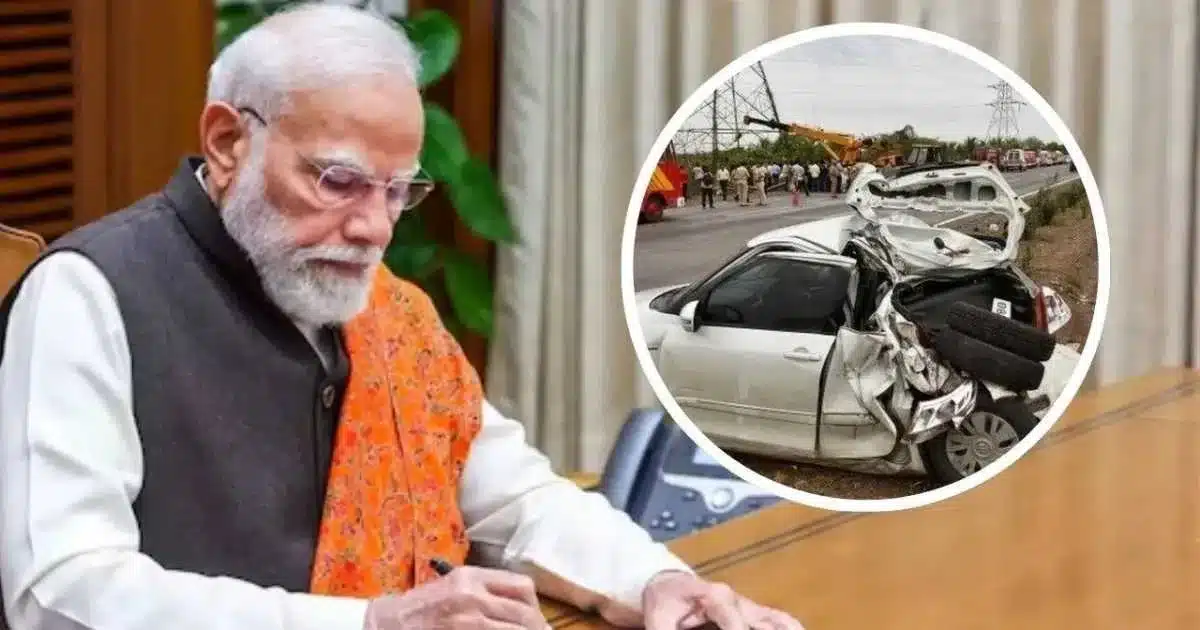
The PM RAHAT Scheme for road accident victims is designed to provide immediate financial and medical assistance during the critical golden hour after a crash. The policy has drawn attention from hospitals, insurers and healthtech startups tracking emergency care reform.
The PM RAHAT Scheme for road accident victims reflects growing policy focus on reducing fatalities and easing the financial burden on families. India records a high number of road accidents each year, with many deaths linked to delayed treatment or lack of upfront funds for emergency care. The scheme attempts to bridge that gap by ensuring cashless or reimbursable treatment for victims in the initial phase after an accident.
Policy Framework and Golden Hour Focus
At the core of the PM RAHAT Scheme is the golden hour principle. Medical experts widely agree that the first hour after a severe injury is crucial for survival. Rapid stabilization, trauma care and surgical intervention significantly improve outcomes.
The scheme is structured to enable immediate hospital admission without requiring advance payment from the victim or family. This removes a common barrier where private hospitals seek deposits before treatment. Under the policy framework, designated hospitals are reimbursed by the government or through a central fund mechanism.
Such an approach aligns with broader road safety reforms under national transport and public health strategies. By institutionalizing emergency support, the scheme aims to standardize trauma response across states.
Healthcare Sector Response and Operational Realities
Hospitals have generally welcomed the PM RAHAT Scheme in principle. Emergency departments often face ethical dilemmas when accident victims arrive without financial guarantees. A clear reimbursement pathway can reduce hesitation and streamline admission procedures.
However, operational details matter. Timely reimbursement is critical. If claims processing is delayed, hospitals may face cash flow strain, particularly smaller private facilities in Tier 2 and Tier 3 cities.
Public hospitals, which already handle a significant share of trauma cases, may see increased patient inflow if awareness grows. This could require additional staffing, equipment upgrades and better ambulance coordination.
Healthcare administrators emphasize that digital claim submission systems and standardized documentation will determine the scheme’s efficiency.
Insurance Industry Reaction and Coverage Overlap
Insurers are closely evaluating how the PM RAHAT Scheme interacts with existing motor insurance and health insurance policies. In India, third party motor insurance is mandatory, and certain provisions already cover accident related liability.
The new scheme may overlap partially with personal accident covers or government funded health insurance programs. Insurers are assessing whether it will reduce claims under certain categories or create new coordination requirements.
From a policy standpoint, clarity on liability distribution between government funds and private insurers is essential. If structured effectively, the scheme could reduce litigation delays and simplify compensation processes for victims.
Insurance executives highlight the need for integration with digital accident reporting systems. Linking police records, hospital admission data and insurer databases can prevent fraud and speed up claim validation.
Healthtech Startups and Emergency Innovation
The PM RAHAT Scheme also opens opportunities for healthtech startups operating in emergency response, ambulance aggregation and digital health records. Startups that provide real time ambulance tracking, tele triage or hospital bed availability dashboards can complement the policy’s objectives.
Digital platforms can help route accident victims to the nearest empaneled hospital covered under the scheme. Automated documentation tools can assist hospitals in uploading treatment details for reimbursement.
Some startups are developing AI driven accident detection systems integrated with vehicle sensors or mobile apps. While still emerging, such innovations could align with the scheme’s goal of reducing response time.
In Tier 2 cities where emergency infrastructure gaps exist, technology backed coordination could improve outcomes significantly.
Road Safety and Long Term Impact
While the PM RAHAT Scheme addresses post accident care, road safety experts caution that prevention remains equally important. Enforcement of traffic rules, improved road design and public awareness campaigns must continue in parallel.
If implemented effectively, the scheme can reduce the financial shock faced by families. Medical costs after severe accidents often push households into debt. Immediate support can stabilize both health outcomes and economic resilience.
The long term impact will depend on sustained funding, transparent monitoring and state level cooperation. Road accident response involves multiple agencies including police, transport departments and health authorities. Coordination is essential.
Takeaways
• PM RAHAT Scheme focuses on golden hour treatment for accident victims
• Hospitals support the policy but emphasize timely reimbursements
• Insurers are evaluating integration with existing motor and health covers
• Healthtech startups can enhance emergency response through digital tools
FAQs
Q1. What is the PM RAHAT Scheme?
It is a government initiative designed to provide immediate financial and medical support to road accident victims during the critical initial treatment phase.
Q2. Does the scheme replace motor insurance coverage?
No. It works alongside existing motor and health insurance frameworks, though coordination mechanisms are still evolving.
Q3. Are private hospitals included under the scheme?
Designated private and public hospitals can participate, subject to government empanelment and reimbursement procedures.
Q4. How can technology support the scheme?
Digital claim systems, ambulance tracking and real time hospital data can streamline treatment access and reimbursement processes.






Leave a comment