

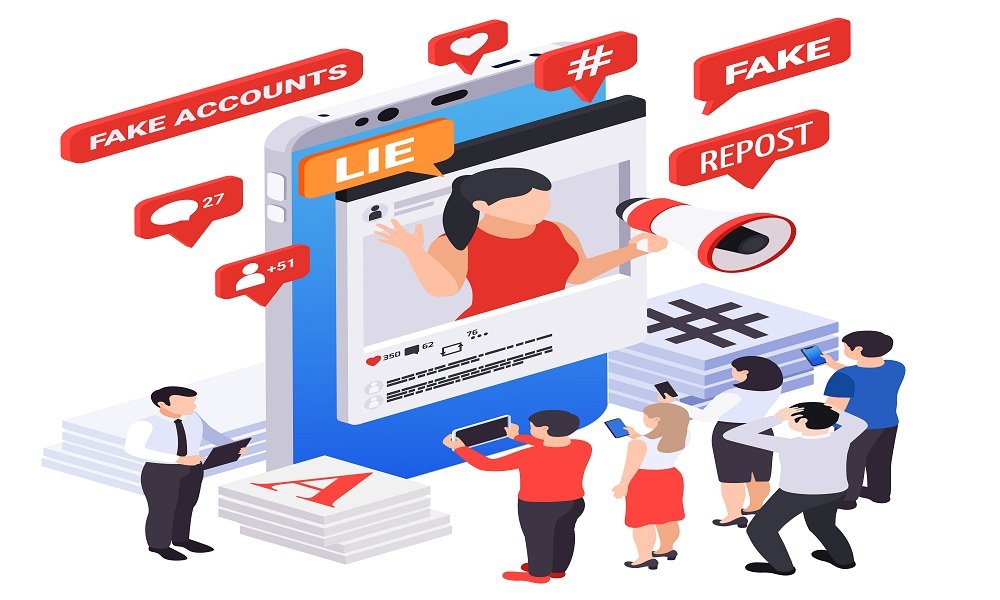
Political AI videos and WhatsApp campaigns are changing how political messages reach Indian voters. As parties adopt artificial intelligence, short-form videos and private messaging groups to communicate their positions, questions about misinformation, transparency and voter awareness are becoming increasingly important.
Political AI Videos in India: Why the Debate Is Growing
Artificial intelligence is becoming a more visible part of political communication in India. Political parties and their supporters can now produce videos, digital posters, animated scenes and voice-based content without the time and expense traditionally associated with professional production.
The trend was highlighted in news reports published on October 16, 2026, which described the Bharatiya Janata Party (BJP) using AI-generated videos, youth-oriented skits and WhatsApp messaging in its political communication surrounding the controversy over electoral roll revisions. The coverage illustrates how parties are adapting their messaging to digital platforms and younger audiences.
On October 15, BJP general secretary Smriti Irani also shared an AI-edited video referencing a scene from the film Bhoothnath to criticise Congress leader Rahul Gandhi in connection with the Special Intensive Revision (SIR) of electoral rolls.
These examples show how entertainment formats and generative AI can be used to communicate political arguments. However, the use of AI does not automatically make a video false, just as a professionally produced video is not necessarily accurate. The central questions are whether the content is clearly identified as synthetic, whether its claims can be verified and whether viewers understand the context in which it was created.
How WhatsApp Campaigns Reach Voters Across India
WhatsApp occupies an important place in India’s digital communication landscape. People use the platform to exchange messages with family members, coordinate community activities, follow local developments and receive updates from organisations.
Political campaigns can use these existing communication networks to distribute announcements, short videos, campaign material and explanations of public issues. Messages can reach people in metropolitan areas as well as smaller towns and villages, including communities where political information often circulates through personal contacts.
The private and group-based nature of messaging can make political communication feel more personal. A video shared by a relative, colleague or neighbourhood group may receive attention because the sender is familiar to the recipient.
However, familiarity is not proof of accuracy. A message may be forwarded several times without its original source, publication date or supporting evidence. A genuine video can also become misleading when an old clip is presented as a current event or when a statement is separated from its original context.
WhatsApp’s features, including labels for messages forwarded many times, are intended to help users recognise widely circulated content. The platform also provides options to block and report accounts. These measures can help, but they cannot independently establish whether every political claim is true.
For voters, the practical lesson is to check the original source before treating a forwarded political message as evidence.
How Artificial Intelligence Is Changing Political Advertising
Traditional political advertising relies on speeches, rallies, newspaper advertisements, television coverage, posters and campaign workers. Digital tools have expanded these methods by allowing political communicators to produce content in multiple languages and formats.
AI tools can assist with translation, subtitles, voiceovers, image generation and video editing. They can also help campaign teams adapt messages for different platforms and audiences. A lengthy political speech, for example, can be converted into shorter clips that highlight specific arguments.
This can make political information easier to access. A voter who does not have time to watch a full speech may find a short summary useful. Regional-language content can also help people understand political issues in their preferred language.
The same tools can create problems when they are used to imitate public figures, fabricate statements or make it appear that a person attended an event or expressed a view they never did. Realistic audio and video can give invented claims an appearance of authenticity.
Satire and political criticism remain legitimate forms of public expression. An edited scene that is clearly presented as parody is different from a fabricated recording circulated as genuine evidence. The distinction depends on context, presentation and the likelihood that viewers will be misled.
As AI production becomes more accessible, transparency about how campaign material was created becomes increasingly important.
Political Deepfakes and the Risk of Misinformation
A deepfake is synthetic or manipulated audio, video or imagery designed to make a person appear to say or do something that may not have happened. Generative AI can make these materials more convincing, particularly when viewers encounter them without context.
During a heated political debate, a fabricated clip may circulate before journalists, officials or fact-checkers have time to investigate it. Even when a correction appears later, some viewers may continue to remember the original allegation.
There are several ways political misinformation can spread. A video may be entirely fabricated, an authentic clip may be edited selectively, or a real event may be accompanied by a false caption. Misleading claims can also be repeated through several accounts, creating the impression that multiple independent sources have confirmed them.
These risks are particularly relevant when content concerns elections, voting eligibility, communal tensions, public safety or allegations against individual candidates.
The answer is not to assume that every viral political video is fake. Instead, viewers should evaluate the source, check whether reputable news organisations have independently reported the event and look for the full speech or original recording.
AI detection tools may provide useful clues, but they are not infallible. A technical assessment should be treated as one part of verification rather than conclusive proof.
Election Commission Guidelines on AI-Generated Political Content
India’s Election Commission has issued directions concerning the responsible use of social media and AI-generated material in election campaigns.
In its October 2025 advisory, the Commission instructed political parties and their leaders, candidates and star campaigners to clearly label AI-generated or synthetic campaign content. Suggested labels included AI-Generated, Digitally Enhanced and Synthetic Content. The Commission also warned against using AI tools to create deepfakes that distort information or spread misinformation.
During the 2026 election cycle, the Commission reiterated its position that misleading or unlawful AI-generated or manipulated content should be acted upon within three hours of being brought to the attention of social media platforms. It also emphasised the need to identify the originating entity behind synthetic campaign content.
These directions operate alongside the applicable election laws, the Model Code of Conduct and relevant rules governing online content. The precise obligations depend on the circumstances and the applicable legal framework.
The purpose of disclosure is to help voters distinguish between authentic recordings and synthetic material. Labelling does not, by itself, establish whether the political claims made in a video are accurate. Equally, an AI-generated label does not automatically mean that a video is deceptive.
Voters should understand both aspects: transparency about the production method and independent verification of the claims.
Why Political Messaging Matters in Tier-2 and Tier-3 Cities
Digital political communication is relevant to voters beyond India’s largest metropolitan areas. In Tier-2 and Tier-3 cities, WhatsApp groups, local-language videos and community networks can play a role in circulating information about government programmes, elections, civic problems and political campaigns.
A short video explaining a local infrastructure project may help residents understand an issue quickly. A regional-language message about voter registration may also encourage eligible citizens to check their electoral details.
However, the same communication channels can circulate incorrect information about polling dates, voter list changes, government schemes or public figures. A misleading message can cause confusion even when it is shared without malicious intent.
Local context is especially important. A video recorded in one state may be circulated as though it shows an event in another. A political statement from a previous election may be presented as a recent announcement. Without the original source and date, viewers may struggle to identify the difference.
Local journalists, community organisations and fact-checking groups can help by providing verified information in accessible languages. Citizens can contribute by asking for the source of a claim, checking official announcements and avoiding the forwarding of material they cannot verify.
Digital literacy is not only about knowing how to use technology. It also involves recognising uncertainty, understanding context and being willing to correct a mistaken impression.
How Voters Can Verify Political AI Videos and WhatsApp Messages
Voters do not need advanced technical knowledge to take several useful verification steps before sharing political content.
First, check the original source. Determine who published the video or message and whether the account represents an official organisation, a news outlet or an unidentified individual.
Second, search for the claim through multiple credible news organisations. If a video supposedly reveals a major political announcement or controversial statement, look for independent reporting that provides the full context.
Third, examine the date and location. Older footage is sometimes recirculated during a new controversy. The presence of a familiar politician or landmark does not establish when the recording was made.
Fourth, look for signs of editing or missing context, but do not rely only on visual imperfections. Modern synthetic content can appear convincing, while genuine recordings can also contain unusual lighting, compression or audio quality.
Finally, use official sources when the message concerns election procedures. The Election Commission of India and the relevant Chief Electoral Officer can provide authoritative information about electoral rolls, registration and voting arrangements.
Meta has also described partnerships with Indian fact-checking organisations, including the Misinformation Combat Alliance, to help users assess potentially AI-generated content. Such resources can support verification, although the availability and scope of individual services should be checked before use.
The simplest rule remains effective: pause before forwarding, verify the claim and share corrections when reliable evidence shows that a message is misleading.
The Future of Political Communication in India
AI-generated videos and WhatsApp campaigns are likely to remain important parts of political communication as digital tools become easier to use. Their influence will depend not only on technology but also on how parties, platforms, journalists and voters respond to it.
Used responsibly, AI can make political communication more accessible, support translation and help explain complicated policy questions. Messaging platforms can also connect citizens with official information and provide opportunities for public participation.
The risks arise when political messaging obscures the difference between fact, opinion, satire and fabrication. Repeated exposure to misleading content can weaken public trust, while excessive suspicion of genuine recordings can also make informed debate more difficult.
Political parties have a responsibility to follow applicable rules and communicate transparently. Platforms need effective systems for addressing deceptive content, and news organisations must verify claims before publishing them. Voters, in turn, need to approach viral material with a willingness to question and verify.
The larger challenge is to preserve the benefits of digital participation without allowing speed and emotional impact to replace evidence. As political communication evolves, the quality of public debate will depend on whether citizens can distinguish persuasive messaging from reliable information.
Key Takeaways
- Political campaigns in India are increasingly using AI-generated videos, short-form content and WhatsApp messaging to communicate with voters.
- Synthetic media can help explain political issues, but misleading edits and fabricated statements can distort public debate.
- The Election Commission has issued directions for labelling AI-generated campaign material and addressing misleading or unlawful content.
- Voters can reduce misinformation by checking original sources, verifying dates and context, consulting credible news organisations and avoiding unverified forwards.
Frequently Asked Questions
1. What are political AI videos?
Political AI videos are campaign or commentary videos created or significantly altered using artificial intelligence. They may include synthetic voices, generated images, edited scenes or digitally altered footage. Their accuracy depends on the content and context, not simply on whether AI was used.
2. How do WhatsApp campaigns influence public debate in India?
WhatsApp campaigns allow political messages to circulate through personal contacts, community groups and other messaging networks. This can improve the reach of political information, but unverified messages can also spread quickly and create misleading impressions.
3. Does the Election Commission require political AI content to be labelled?
The Election Commission has issued advisories directing political parties and their leaders, candidates and star campaigners to clearly label AI-generated or synthetic campaign content. The applicable requirements depend on the relevant directions and election rules.
4. How can I check whether a political video is fake?
Check the original source, date and location, compare the claim with credible independent reporting and look for the full recording. Detection tools can help, but no single visual clue or automated tool should be treated as definitive proof.









Leave a comment