

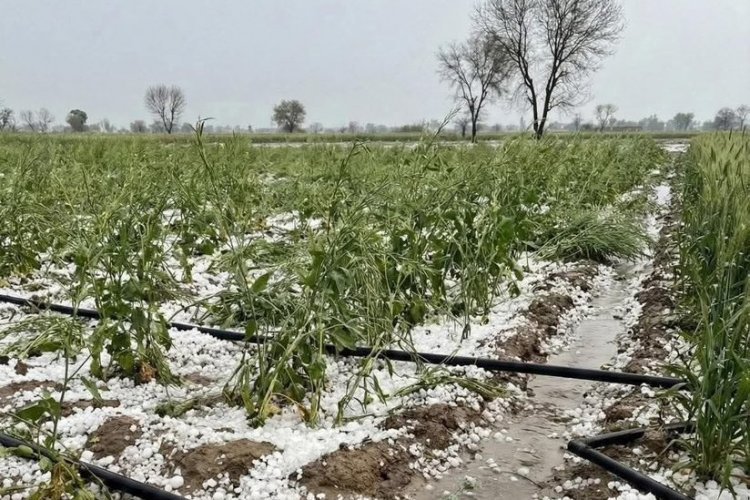
Rain and cold alerts across five states have begun affecting agriculture output and slowing operations at local transport hubs. Unseasonal weather patterns during late winter are creating short term stress for farmers, traders and logistics operators in multiple regions.
Rain and cold alerts across five states have prompted state administrations to issue advisories for farmers and transport authorities. Late winter rainfall combined with low temperatures can significantly influence standing crops, harvesting cycles and road movement. While winter showers can benefit certain rabi crops, sudden or intense rainfall often damages produce that is close to harvest. At the same time, fog and cold wave conditions disrupt rail, road and air connectivity, especially in Tier 2 and Tier 3 cities where infrastructure is less resilient.
Impact on Rabi Crops and Field Operations
Rabi crops such as wheat, mustard, gram and barley are particularly sensitive during the flowering and grain filling stages. Light rainfall can support wheat growth by improving soil moisture. However, continuous rain accompanied by cold winds may cause lodging, where crops bend or fall due to excess moisture and wind pressure. This can reduce yield quality and complicate harvesting.
Mustard crops face risks of fungal diseases during prolonged wet conditions. High humidity and low temperatures create a favorable environment for infections that affect pods and seeds. Farmers often need to apply protective sprays, increasing input costs. For vegetable growers, especially those cultivating tomatoes, peas and leafy greens, unexpected rain can lead to spoilage and lower market prices.
State agriculture departments typically advise farmers to ensure proper drainage in fields. In regions where harvesting has begun, farmers are encouraged to delay cutting until weather stabilizes. In smaller districts, limited access to storage facilities adds to the risk, as harvested crops exposed to moisture can deteriorate quickly.
Cold Wave Conditions and Horticulture Losses
Cold wave alerts often accompany rain systems in northern and central India. When temperatures drop sharply, horticulture crops such as potatoes and certain fruits face frost damage. Frost can blacken leaves and reduce overall productivity. Dairy farmers also report stress among livestock during extreme cold spells, which may affect milk yield.
Protective measures include covering sensitive crops with plastic sheets or straw and irrigating fields lightly before frost events to create a temperature buffer. However, these methods require preparation and resources that small and marginal farmers may not always have.
Transport Hubs and Logistics Slowdowns
Rain and cold alerts do not only affect farms. Local transport hubs in smaller cities experience delays due to reduced visibility and slippery roads. Fog in northern states commonly disrupts train schedules during winter. Long distance trains arriving at district level stations often run behind schedule when visibility drops below safe limits.
Bus services in rural belts may operate cautiously during heavy rain. Waterlogging on poorly drained roads slows vehicle movement and increases the risk of accidents. In some cases, temporary diversions are implemented to avoid flooded stretches.
Airports in Tier 2 cities with limited advanced landing systems are more vulnerable to fog related disruptions. Delays and rescheduling impact not only passengers but also cargo shipments. Agricultural produce transported through cold chain networks may face additional storage costs when transit times extend.
Market Prices and Supply Chain Effects
Weather disturbances influence wholesale markets quickly. If heavy rain damages crops in one state, supply to nearby mandis can reduce, pushing prices upward. Conversely, sudden rain during harvesting can lead to a glut of partially damaged produce entering markets at lower rates.
Transport slowdowns further complicate distribution. Perishable goods such as fruits and vegetables depend on timely movement. When trucks are delayed due to road conditions or visibility issues, spoilage increases. Traders in smaller towns often lack sophisticated storage, making them more exposed to weather volatility.
State governments sometimes activate contingency plans, including advisory messages to farmers and coordination with disaster management authorities. Crop insurance schemes may cover losses in extreme cases, though claim processing can take time.
Preparedness and Long Term Climate Patterns
Frequent rain and cold alerts highlight the growing unpredictability of weather patterns. Climate variability has led to shifts in rainfall timing and intensity in several Indian states. Agricultural experts recommend diversifying crop varieties and adopting weather resilient practices such as improved drainage systems and short duration seed varieties.
Transport authorities are also investing in better forecasting and digital alert systems. Real time weather updates help railways and road transport departments adjust operations proactively. In the long run, infrastructure upgrades such as improved road drainage and modern signalling systems can reduce disruption.
For now, the immediate impact of rain and cold alerts across five states remains concentrated on farming communities and regional logistics networks. Timely advisory communication and adaptive practices are essential to minimize economic losses.
Takeaways
Unseasonal rain during late winter can damage rabi crops at critical growth stages.
Cold wave conditions increase risks of frost damage and livestock stress.
Fog and waterlogging disrupt train, road and air operations in smaller cities.
Weather variability underscores the need for resilient farming and transport systems.
FAQs
Q1. Are winter rains always harmful to crops?
No, light winter rain can benefit wheat and other rabi crops, but excessive or untimely rainfall can damage yield and quality.
Q2. How do cold waves affect transport hubs?
Low visibility due to fog and slippery roads can delay trains, buses and flights, especially in Tier 2 and Tier 3 cities.
Q3. Can farmers claim compensation for weather related losses?
In many cases, crop insurance schemes and state relief measures provide financial support, subject to assessment and eligibility.
Q4. What precautions are advised during rain and cold alerts?
Farmers are advised to ensure field drainage and protect crops, while transport authorities monitor weather updates and adjust operations accordingly.










Leave a comment