

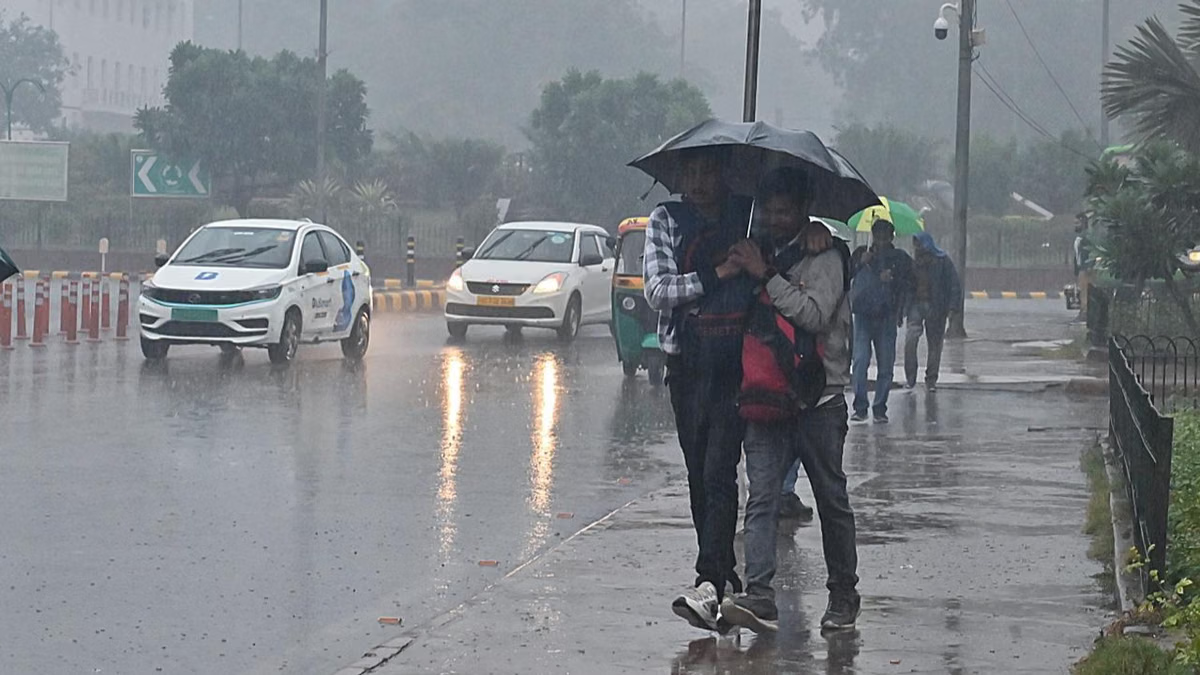
The India Meteorological Department has issued a rain and storm warning across five northern states, forecasting thunderstorms, strong winds, and scattered rainfall over the coming days. Authorities warn that sudden weather disruptions may affect transport, agriculture, and daily routines in several districts.
IMD Rain and Storm Warning Across Northern India
The rain and storm warning across northern states comes as weather systems develop over parts of North India, bringing the possibility of thunderstorms, lightning, and gusty winds. The India Meteorological Department regularly issues such alerts when atmospheric conditions indicate unstable weather patterns.
States including Punjab, Haryana, Himachal Pradesh, Uttarakhand, and parts of Uttar Pradesh are expected to experience intermittent rainfall accompanied by thunderstorms. Weather experts say these conditions are linked to western disturbances, a common weather system that brings rain and snow to northern India during late winter and early spring.
Western disturbances originate in the Mediterranean region and travel across West Asia before reaching the Indian subcontinent. When these systems interact with local atmospheric conditions, they often produce cloud formation, rainfall, and occasional storms.
The latest advisory suggests that the weather activity may continue for a few days, depending on how the system moves across the northern plains and Himalayan region.
Thunderstorms and Strong Winds Expected in Several Districts
The thunderstorm forecast in North India indicates that several districts may experience sudden changes in weather conditions, including lightning and strong winds. These storms usually develop quickly and can lead to temporary disruptions.
In urban areas, heavy rainfall combined with strong winds can lead to traffic congestion, waterlogging in low lying areas, and delays in public transport. Flights and rail services may also experience minor disruptions when visibility drops or storm conditions intensify.
Rural areas may face different challenges during such weather events. Strong winds and lightning can damage temporary structures, power lines, or crops that are nearing harvest.
Local administrations often advise residents to stay indoors during thunderstorms and avoid open fields or tall structures where lightning risk is higher.
Impact of Rainfall on Agriculture in Northern States
The impact of rain and storm activity on agriculture can vary depending on the intensity and timing of rainfall. For farmers in northern states, this period is critical for several winter crops including wheat and mustard.
Light to moderate rainfall can sometimes benefit crops by providing additional soil moisture. However, heavy rain combined with strong winds can flatten crops or affect harvesting schedules.
Farmers closely monitor weather alerts during this time because unexpected storms can delay harvesting or affect crop quality. Agricultural departments in several states often issue advisories to guide farmers on protecting their crops and equipment during storm activity.
Hailstorms, which occasionally accompany thunderstorms, can cause significant crop damage. While not all storm systems produce hail, meteorological departments include hail alerts in their advisories when conditions suggest that possibility.
How Weather Disruptions Can Affect Daily Life
The effects of stormy weather on daily life are often felt most strongly in transportation and outdoor activities. Sudden rainfall and gusty winds can slow traffic movement in busy urban centers and reduce visibility on highways.
School schedules and outdoor events may also be affected when severe weather alerts are issued. In some cases, local administrations temporarily suspend activities in vulnerable areas to prevent accidents.
Electricity supply disruptions are another possibility during strong storms. High winds or lightning strikes can damage power lines or transformers, leading to short term outages.
Emergency services and disaster management teams usually remain on alert during such weather events. Their role includes monitoring local conditions, responding to incidents, and ensuring that critical services remain operational.
Western Disturbances and Seasonal Weather Patterns
The western disturbance weather system in North India plays an important role in shaping winter and early spring weather. These systems are responsible for bringing much of the seasonal rainfall and snowfall to northern states.
While they often provide beneficial precipitation, stronger disturbances can produce thunderstorms, lightning, and gusty winds. Meteorologists track these systems using satellite data, weather models, and ground observations.
Weather alerts help communities prepare for sudden changes in conditions. Early warnings allow residents to plan travel, protect property, and take necessary safety precautions.
In recent years, weather experts have also highlighted the increasing variability in seasonal patterns. Some storms have become more intense or unpredictable, making timely forecasts and public awareness even more important.
As the current rain and storm system moves across northern India, residents are advised to follow official weather updates and safety advisories issued by the India Meteorological Department and local authorities.
Takeaways
The India Meteorological Department has issued a rain and storm warning across five northern states.
Thunderstorms, lightning, and gusty winds are expected in parts of Punjab, Haryana, Uttarakhand, Himachal Pradesh, and Uttar Pradesh.
Storm conditions may affect transport, electricity supply, and outdoor activities in several districts.
Agriculture in northern India could be impacted depending on the intensity and duration of rainfall.
FAQ
Which states are included in the rain and storm warning?
The advisory mainly covers Punjab, Haryana, Himachal Pradesh, Uttarakhand, and parts of Uttar Pradesh, where thunderstorms and rainfall are expected.
What causes these storm systems in northern India?
Many of these weather events are caused by western disturbances, which bring moisture and unstable atmospheric conditions to the region.
Can thunderstorms affect transportation and daily activities?
Yes, heavy rain and strong winds can slow traffic, cause flight delays, and disrupt outdoor activities in affected areas.
How should people stay safe during thunderstorms?
Residents are advised to stay indoors, avoid open areas during lightning activity, follow weather updates, and take precautions against strong winds.











Leave a comment