

Cities across India are preparing for Ramadan 2026 with expanded night markets, mosque arrangements, and community initiatives. From food bazaars to prayer facilities, local administrations and communities are coordinating efforts to manage crowds and ensure smooth observance of the holy month.
The preparations for Ramadan 2026 across Indian cities have begun as Muslim communities, local authorities, and market associations organize arrangements for one of the most significant religious periods in the Islamic calendar. Ramadan is expected to begin in early March depending on the sighting of the crescent moon. Cities such as Delhi, Hyderabad, Lucknow, Kolkata, and Mumbai traditionally witness large scale preparations including expanded food markets, mosque facilities, charity drives, and night time economic activity.
Ramadan 2026 Moon Sighting and Religious Observance
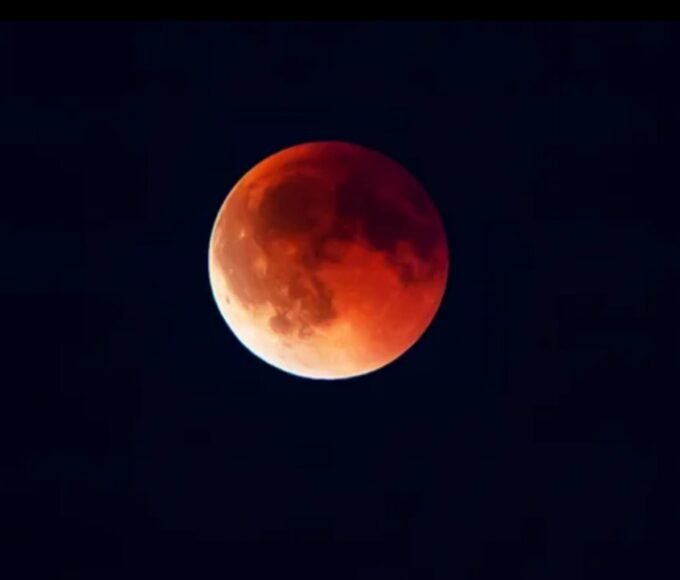
Ramadan is observed by Muslims worldwide as a month of fasting, prayer, reflection, and charity. The start of the holy month is determined by the sighting of the crescent moon, which typically occurs around the 29th day of the Islamic month of Shaaban.
In India, religious bodies and moon sighting committees in cities such as Delhi, Lucknow, and Hyderabad play an important role in announcing the beginning of Ramadan. Once the moon is confirmed, Muslims begin fasting from dawn to sunset for the entire month.
Daily routines during Ramadan change significantly. The pre dawn meal known as suhoor is consumed before the morning prayer, while the fast is broken at sunset with iftar. Mosques remain active late into the night with special prayers called Taraweeh that are performed after the evening prayer.
Preparations therefore focus not only on religious arrangements but also on ensuring that markets, food supply, and public services can accommodate the increased night time activity.
Markets and Food Streets Come Alive During Ramadan
One of the most visible aspects of Ramadan preparations in Indian cities is the emergence of bustling food markets and night bazaars. Areas known for traditional cuisine often transform into popular gathering spots during the holy month.
In Delhi, neighborhoods such as Jama Masjid and Old Delhi are known for their extensive Ramadan food streets. Hyderabad’s historic Charminar area and Lucknow’s Chowk market also attract large crowds looking for traditional iftar dishes.
Popular items during Ramadan include kebabs, haleem, biryani, dates, fruit chaat, and sweets. Restaurants and street vendors extend their operating hours to serve customers late into the night.
These markets also play an important economic role. Many small vendors rely on Ramadan for a significant portion of their annual income. Local administrations often coordinate traffic management, sanitation services, and crowd control to ensure that these markets operate smoothly.
Mosques Preparing for Increased Worship Attendance
Mosques across India prepare extensively for Ramadan as attendance during prayers increases significantly throughout the month. Many mosques organize additional prayer sessions, community iftars, and religious lectures.
Large mosques such as Jama Masjid in Delhi, Mecca Masjid in Hyderabad, and Aishbagh Eidgah in Lucknow typically see thousands of worshippers during evening prayers.
Mosque committees often coordinate with local authorities to manage crowd movement, parking, and security arrangements. Volunteers are also involved in organizing charity activities, distributing food, and assisting elderly worshippers.
In many communities, mosques become centers for social support during Ramadan. Charity initiatives such as distributing food packages and financial assistance for low income families are common throughout the month.
Community Events and Charity Initiatives During Ramadan
Ramadan is also known for its emphasis on charity and community support. Across Indian cities, religious organizations and community groups organize programs aimed at helping those in need.
Food distribution programs are widely conducted, particularly for daily wage workers and economically vulnerable families. Many community groups set up iftar arrangements where people can break their fast together regardless of social or economic background.
Educational institutions and youth organizations also participate in Ramadan activities by organizing charity drives, blood donation camps, and community outreach programs.
These initiatives reflect the broader social significance of Ramadan, which emphasizes compassion, generosity, and community bonding.
Urban Management and Public Services During Ramadan
City administrations often take special measures to manage the increased public activity during Ramadan evenings. Traffic management plans are implemented around major markets and mosques to prevent congestion.
Municipal authorities also focus on sanitation, street lighting, and food safety inspections in areas with large food markets. Public transport services may extend operating hours in some cities to accommodate late night travel.
In cities with large Muslim populations, local governments sometimes coordinate with market associations and religious bodies to ensure that essential services function smoothly throughout the month.
These preparations help maintain public safety and support the cultural and religious practices associated with Ramadan.
Cultural Significance of Ramadan in Indian Cities
Ramadan holds deep cultural significance in India’s diverse society. In many cities, the holy month becomes a period of vibrant cultural activity where food traditions, religious practices, and community gatherings come together.
People from different backgrounds often visit Ramadan markets and food streets, making the celebrations part of the broader urban culture.
The month concludes with Eid al Fitr, one of the most important festivals for Muslims, which is marked by special prayers, family gatherings, and festive meals.
As Ramadan 2026 approaches, preparations across Indian cities highlight both the spiritual importance of the holy month and its social and economic impact on urban life.
Takeaways
• Ramadan 2026 preparations across Indian cities include market expansion, mosque arrangements, and community programs.
• Food streets and night markets become major gathering spots during the holy month.
• Mosques prepare for increased worship attendance and organize charity activities.
• Local administrations implement traffic and sanitation plans to manage evening crowds.
FAQs
When is Ramadan 2026 expected to begin in India?
Ramadan 2026 is expected to begin in early March depending on the sighting of the crescent moon, which determines the start of the Islamic month.
What happens during Ramadan?
Muslims fast from dawn to sunset, perform additional prayers, read the Quran, and participate in charity and community activities throughout the month.
Why are Ramadan food markets popular in Indian cities?
These markets offer traditional iftar dishes and become social gathering places where people break their fast and enjoy regional cuisine.
How do cities prepare for Ramadan crowds?
Local authorities coordinate traffic management, sanitation services, and security arrangements around mosques and popular food markets.






Leave a comment