

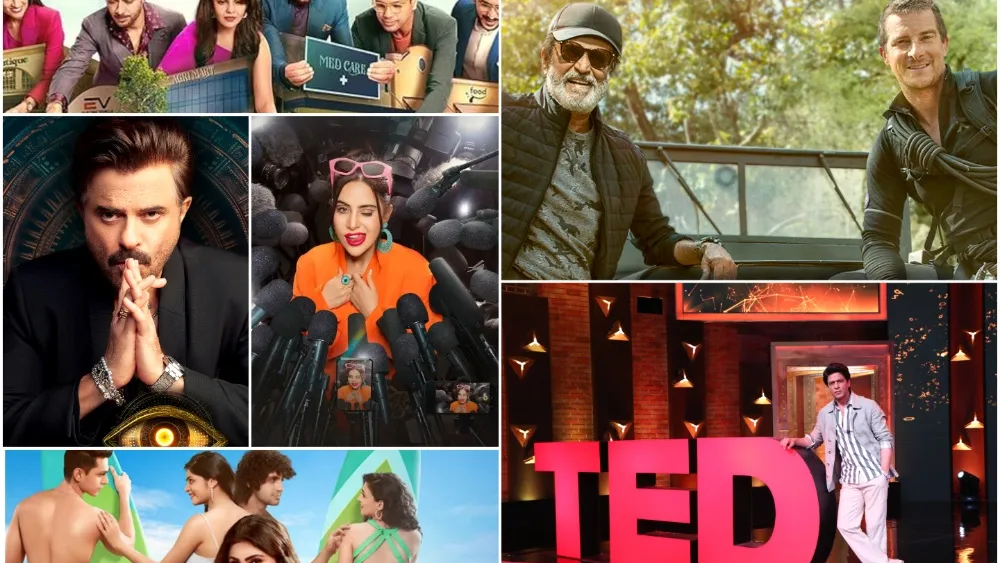
Indian versions of The 50 and Wheel of Fortune mark a strategic shift in reality TV programming, reflecting how broadcasters are recalibrating content to retain mass audiences. These adaptations signal changing viewer preferences, platform competition pressures, and a renewed focus on familiar global formats for Indian households.
Reality TV in India is entering a recalibration phase. With Indian versions of The 50 and Wheel of Fortune entering the programming mix, broadcasters are signalling a return to format driven entertainment that prioritises scale, familiarity, and multi generation appeal. These shows arrive at a time when traditional television faces stiff competition from OTT platforms and short form digital content.
Why Global Reality Formats Are Making a Comeback
The Indian versions of The 50 and Wheel of Fortune represent a calculated risk mitigation strategy. Global formats come with proven audience traction, established gameplay mechanics, and predictable engagement curves. For Indian broadcasters, this reduces uncertainty in an environment where original reality concepts struggle to break through clutter.
Wheel of Fortune taps into nostalgia and simplicity. It appeals to family viewing, language familiarity, and participatory play from home. The 50, on the other hand, leans into competitive tension, spectacle, and ensemble casting, aligning with India’s appetite for high stakes elimination formats.
Together, these shows reflect a dual strategy. One caters to mass comfort viewing, while the other targets event style engagement.
What This Signals About Indian TV Viewership Behaviour
Indian TV audiences remain appointment viewers for large scale reality formats. Despite digital fragmentation, certain genres still draw collective attention, especially game shows and competitive reality. Viewers seek formats that are easy to follow, episodic, and socially discussable.
The success potential of these adaptations indicates that viewers value familiarity over experimentation during prime time. New concepts often require heavy marketing and long runway periods. Established formats benefit from built in recognition and reduced learning curves.
This also signals that while OTT has changed consumption habits, television still dominates in shared household viewing, particularly in Tier 2 and Tier 3 markets.
Broadcaster Strategy in a Fragmented Content Market
Broadcasters are under pressure from declining ratings, rising content costs, and advertiser demands for stable reach. Adapting global formats offers predictability in both production timelines and advertiser confidence.
Wheel of Fortune allows regional customisation through language editions, making it scalable across markets. The 50 offers flexibility in casting influencers, celebrities, and public figures, helping channels tap into built in fan bases.
This approach also allows broadcasters to amortise costs across seasons if formats perform well, improving long term viability compared to one off experimental shows.
Implications for Advertising and Brand Integration
Reality TV adaptations offer structured opportunities for brand integration. Game mechanics allow seamless sponsorship placements without disrupting viewing experience. For advertisers, these formats provide consistent engagement metrics and audience retention.
Family friendly formats like Wheel of Fortune attract consumer goods and financial brands targeting broad demographics. Competitive formats like The 50 attract youth oriented and digital first brands seeking high social media amplification.
The return to such formats suggests advertisers still see television as a reliable medium for scale, even as digital platforms grow.
Impact on Content Innovation and Original Programming
While adaptations provide short term stability, they also raise questions about long term creativity. Heavy reliance on global formats can limit experimentation and slow the development of indigenous concepts.
However, these adaptations also serve as training grounds for production teams, writers, and hosts. Skills developed in executing complex formats can later translate into original concepts.
The balance between adaptation and innovation will determine whether Indian television evolves or stagnates.
Viewer Expectations and Engagement Patterns
Audiences now expect high production values, clear pacing, and interactive elements. The Indian versions of The 50 and Wheel of Fortune reflect this by focusing on visual scale, structured gameplay, and audience participation.
Second screen engagement is also a factor. Viewers increasingly discuss episodes online, vote, and engage through clips and highlights. Formats that lend themselves to short viral moments gain extended life beyond broadcast slots.
This convergence of television and digital conversation is central to the renewed interest in reality TV adaptations.
What This Means for the Future of Indian Reality Television
The current wave of adaptations suggests that Indian television is consolidating rather than expanding. Channels are prioritising fewer but bigger properties that can anchor schedules and deliver consistent ratings.
If these shows perform well, more international formats may enter the Indian market. If they underperform, it could accelerate the shift toward hybrid TV OTT models or shorter seasonal programming.
Either way, the signal is clear. Indian TV is not retreating but restructuring its content strategy to survive a rapidly changing media landscape.
Takeaways
- Indian versions of The 50 and Wheel of Fortune reflect a return to proven reality formats.
- Broadcasters are prioritising familiarity and scale over experimental concepts.
- Television remains strong for shared household viewing despite OTT growth.
- Adaptations offer advertiser confidence but raise questions about creative innovation.
FAQs
Why are Indian channels adapting global reality formats again?
They offer predictable engagement, lower creative risk, and advertiser confidence.
Do these shows appeal to younger audiences?
Competitive formats like The 50 attract younger viewers, while Wheel of Fortune targets family audiences.
Does this mean original Indian reality shows are declining?
Not necessarily, but adaptations currently dominate prime time strategy.
Will reality TV remain relevant with OTT competition?
Yes, especially for large scale formats that encourage collective viewing and discussion.










Leave a comment