

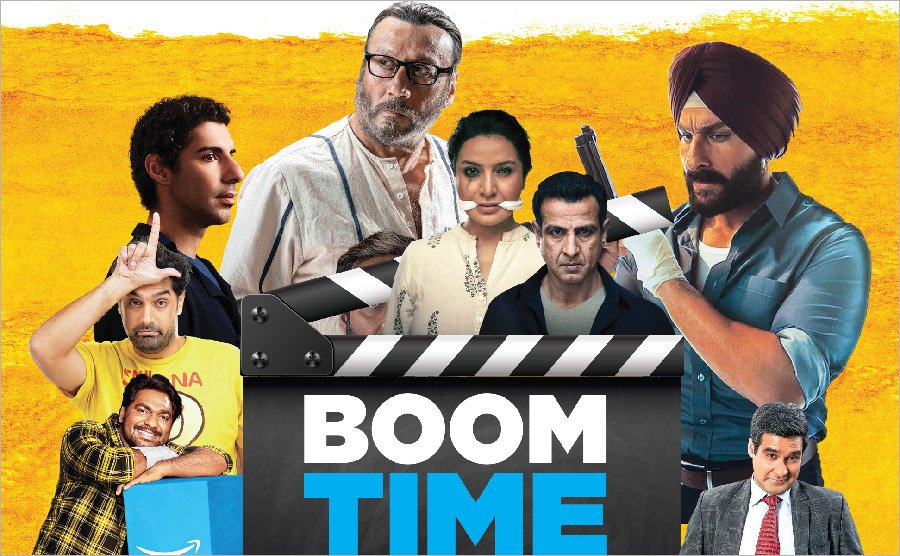
The regional web series boom is reshaping entertainment consumption as Marathi and Telugu creators gain strong traction in tier two markets. Audiences outside metros are driving demand for culturally rooted stories, pushing platforms to rethink content strategy beyond Hindi and English originals.
The regional web series boom has accelerated as viewers in tier two cities increasingly choose content that reflects their language, settings and social realities. This shift is not sudden. It is the result of rising smartphone access, affordable data and growing confidence among regional creators to tell stories without metro-centric filters. Marathi and Telugu web series are at the forefront of this change, showing how authenticity can outperform scale.
Why Tier Two Markets Are Fueling Regional Web Series Growth
Tier two audiences are no longer passive consumers of whatever content reaches them. They actively seek stories that mirror their lives, aspirations and conflicts. Regional web series fit this need better than generic national narratives.
In many smaller cities, families prefer watching content in their native language. This drives higher completion rates and repeat viewing. Unlike dubbed shows, original Marathi and Telugu series retain cultural nuance, humour and social context. Viewers recognise their towns, dialects and professions on screen, creating emotional investment.
This preference is also economic. Regional series often come with shorter seasons and focused storytelling, making them easier to sample without long-term commitment. Platforms benefit from stronger engagement even if absolute budgets are lower.
Marathi Web Series Reflecting Urban and Semi Urban Realities
Marathi web series gaining traction often explore middle class struggles, workplace politics, housing issues and generational conflict. These themes resonate deeply in tier two cities across Maharashtra where rapid urbanisation meets traditional values.
Creators focus on character-driven narratives rather than spectacle. A single apartment complex, office floor or small neighbourhood becomes the stage for complex human drama. This minimalism reduces production costs while enhancing realism.
Importantly, Marathi creators are not chasing pan India appeal. They prioritise narrative honesty. This approach builds loyal viewership that spreads through word of mouth rather than heavy promotion. For platforms, such loyalty translates into stable regional subscriber bases.
Telugu Creators Expanding Beyond Mainstream Cinema Tropes
Telugu web series success in tier two markets reflects a creative shift away from formulaic cinema storytelling. While mainstream films often rely on scale and star power, web series allow Telugu creators to experiment with social themes, crime, family dynamics and youth issues.
Series set in small towns and district headquarters resonate strongly. They portray local power structures, education pressures and employment anxieties with specificity. Tier two audiences see these stories as credible, not exaggerated.
Another factor is performance style. Web series favour restrained acting over theatrical delivery. This aligns well with realistic narratives and improves relatability. Telugu creators are using this format to reach audiences who want substance without cinematic excess.
Language, Identity and Viewer Loyalty
Language plays a central role in the regional web series boom. Viewers associate language with trust and comfort. Content in Marathi or Telugu feels less performative and more conversational.
This emotional comfort drives longer watch times. Families are more likely to watch together when content aligns with shared cultural references. Parents who avoid edgy or foreign content find regional series acceptable, expanding audience reach within households.
Platforms that consistently release regional originals build stronger loyalty in tier two markets. Viewers are less likely to churn if they feel represented. This shifts the growth strategy from aggressive acquisition to retention.
Budget Efficiency and Creator Freedom
One reason platforms are backing regional creators is budget efficiency. Regional web series deliver high engagement at lower costs compared to large scale Hindi originals. This makes them attractive investments in a competitive streaming environment.
Creators benefit from creative freedom. Without pressure to appeal nationally, they can focus on tight writing and strong performances. This freedom often results in fresher storytelling and unconventional protagonists.
As more regional series succeed, funding pipelines are improving. New writers, directors and actors from non metro backgrounds are entering the ecosystem, further diversifying content.
Challenges Facing the Regional Web Series Ecosystem
Despite growth, challenges remain. Discoverability is a major issue. Regional series often receive limited promotional support compared to flagship originals. Viewers may not find content unless actively searching.
Monetisation is another concern. While engagement is high, revenue per user in tier two markets is lower. Platforms must balance pricing sensitivity with sustainable investment.
There is also a risk of repetition. As certain themes perform well, creators may overuse similar narratives. Maintaining originality will be critical to avoid fatigue.
What This Trend Means for the Future of OTT in India
The rise of Marathi and Telugu web series in tier two markets signals a decentralisation of Indian digital entertainment. Growth will not come solely from metros or pan India blockbusters.
Instead, success will depend on understanding local cultures, investing in regional talent and respecting audience intelligence. The regional web series boom is not a temporary phase. It represents a structural change in how stories are created and consumed.
For platforms, this means building long-term regional content strategies. For creators, it means greater opportunity without compromising authenticity. For audiences, it means seeing their lives reflected on screen with honesty.
Takeaways
- Regional web series boom is driven by tier two audience demand for authenticity
- Marathi and Telugu creators are leading with culturally rooted storytelling
- Language and local context are key to viewer loyalty
- Lower budgets paired with strong writing deliver high engagement
FAQs
Why are regional web series performing well in tier two cities?
They reflect local culture, language and everyday realities that audiences relate to directly.
Are Marathi and Telugu series replacing Hindi content?
No, they are expanding choices and capturing audiences who prefer regional narratives.
Do regional web series cost less to produce?
Generally yes, but success depends on writing quality and performance, not just budget.
Will this trend continue in the coming years?
Yes, as platforms and creators invest more in region-specific storytelling.










Leave a comment