

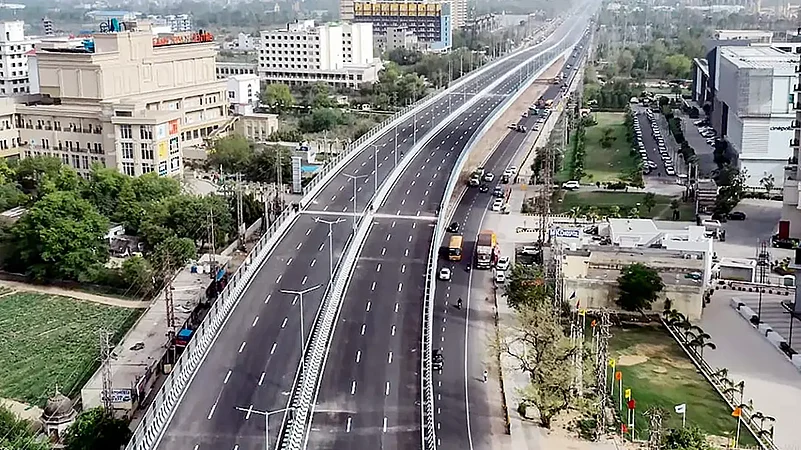
The Rs 11,000 crore highway projects approved under recent cabinet decisions are expected to reshape logistics, trade and regional connectivity. For MSMEs in Tier 2 India, this infrastructure push could directly influence costs, market access and long term competitiveness.
The Rs 11,000 Cr highway projects signal a continued focus on capital expenditure driven growth. Highway expansion and upgradation have consistently been part of India’s infrastructure strategy to improve freight movement and reduce travel time between industrial clusters and consumption centers. For micro, small and medium enterprises, especially in Tier 2 cities, improved road connectivity often translates into tangible economic gains.
Highway Infrastructure and Regional Connectivity
Highway infrastructure projects of this scale typically include widening of national highways, construction of bypasses and development of economic corridors. These interventions reduce congestion, lower vehicle operating costs and enhance reliability of supply chains.
For Tier 2 cities such as Nagpur, Indore, Lucknow and Coimbatore, improved connectivity to metros and ports strengthens their position as manufacturing and service hubs. MSMEs in sectors like textiles, food processing, auto components and engineering goods rely heavily on road transport for both raw material procurement and finished goods distribution.
Faster transit times reduce inventory holding costs. When goods move predictably, businesses can operate with leaner stock levels. This improves working capital efficiency, which is critical for smaller enterprises that often face tighter credit conditions.
Impact on Logistics Costs and Supply Chains
One of the most direct effects of the Rs 11,000 Cr highway projects will be on logistics costs. In India, logistics expenditure as a percentage of GDP has historically been higher compared to developed economies. Infrastructure upgrades aim to narrow this gap.
For MSMEs, transport delays can erode profit margins. Perishable goods, time sensitive exports and just in time manufacturing all depend on reliable road networks. Highway expansion reduces bottlenecks and improves last mile connectivity when integrated with industrial parks and warehousing hubs.
Lower fuel consumption due to smoother roads and reduced idling time also contributes to savings. Over time, these cumulative efficiencies strengthen the competitiveness of Tier 2 manufacturers against larger urban players.
Employment and Local Economic Multiplier
Infrastructure projects generate both direct and indirect employment. During the construction phase, local labor demand rises. Ancillary services such as material supply, equipment rental and site logistics also see increased activity.
For MSMEs operating in construction related sectors, this presents immediate business opportunities. Cement suppliers, fabrication units and transport contractors often benefit from such projects.
Beyond construction, improved highways attract new investments. Industrial clusters tend to develop along well connected corridors. As new businesses establish operations, demand for local suppliers increases. This creates a multiplier effect that supports existing MSMEs and encourages entrepreneurship.
Market Access and Export Potential
Improved highways enhance access to domestic and export markets. Tier 2 MSMEs frequently face challenges in reaching large urban consumers or export gateways due to higher transport costs and longer delivery timelines.
With upgraded road networks, producers can tap into e commerce platforms and national distribution chains more effectively. Faster access to ports and logistics hubs supports export oriented units in sectors such as handicrafts, engineering goods and agro products.
The cabinet’s infrastructure push aligns with broader efforts to strengthen manufacturing under national industrial initiatives. Highways form the backbone that connects production centers to demand centers.
Challenges and Execution Considerations
While the potential benefits are significant, outcomes depend on timely execution. Delays due to land acquisition, environmental clearances or contractor constraints can reduce projected gains.
Maintenance is another critical factor. High quality construction must be followed by sustained upkeep to ensure durability. Poor maintenance can negate cost savings for transport operators.
Additionally, MSMEs need complementary reforms to fully leverage infrastructure improvements. Access to credit, digital integration and policy stability remain essential for maximizing gains from better connectivity.
Long Term Strategic Implications
The Rs 11,000 Cr highway projects reinforce the government’s capital expenditure led growth model. Infrastructure investment not only stimulates short term demand but also enhances long term productivity.
For Tier 2 India, highways reduce geographic disadvantages. Businesses located outside metros can compete more effectively when distance becomes less of a constraint. Over time, this could rebalance economic growth away from overcrowded urban centers.
As logistics networks become more efficient, supply chains can decentralize. This supports regional industrialization and reduces migration pressure on major cities.
Takeaways
• Rs 11,000 Cr highway projects aim to strengthen regional connectivity
• MSMEs in Tier 2 cities can benefit from lower logistics costs
• Infrastructure spending generates both direct and indirect employment
• Timely execution and maintenance are critical for long term gains
FAQs
Q1. How do highway projects help MSMEs?
Improved roads reduce transport time and fuel costs, enhance market access and improve supply chain reliability.
Q2. Will these projects create jobs?
Yes, construction activities generate employment and can stimulate local economic activity in related sectors.
Q3. Do highways directly increase exports?
Better connectivity to ports and logistics hubs can make it easier for export oriented MSMEs to compete globally.
Q4. Are there risks in infrastructure projects?
Delays, cost overruns and inadequate maintenance can limit expected economic benefits.












Leave a comment