

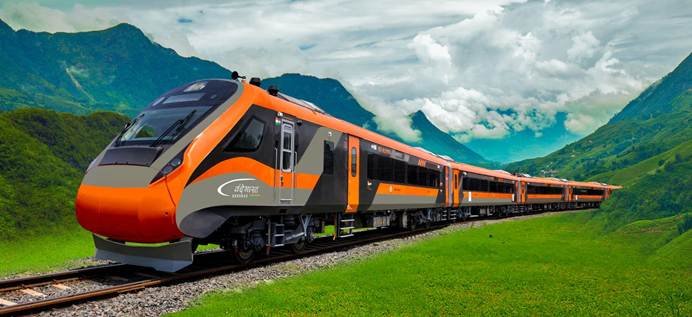
Sleeper trains could redefine connectivity for India’s smaller metros as demand for affordable, overnight travel continues to outpace supply. With rising intercity movement, limited flight access, and saturated daytime rail routes, sleeper services are emerging as a practical solution for mobility gaps beyond major metros.
This topic is evergreen and analytical. The tone is explanatory, focused on demand versus supply dynamics rather than immediate announcements.
Why sleeper train connectivity is being reexamined
India’s transport planning has historically focused on daytime mobility and premium travel. However, sleeper train connectivity remains the backbone for millions traveling between smaller metros, state capitals, and regional economic hubs.
Cities such as Indore, Nagpur, Coimbatore, Vijayawada, Patna, and Ranchi generate consistent passenger demand but lack sufficient overnight rail options. Flights are limited or expensive, and road travel over long distances is time consuming and unsafe at night.
Sleeper trains solve a simple problem. They allow passengers to travel while resting, saving both time and accommodation costs. This efficiency is particularly relevant for working professionals, students, traders, and migrant workers who dominate intercity travel in these regions.
Understanding the demand side in smaller metros
Demand for sleeper trains is driven by predictable travel patterns. Smaller metros often function as education, healthcare, and business centers for surrounding districts. This creates regular overnight travel needs.
Ticket availability data consistently shows high waitlists on existing sleeper and AC three tier coaches on popular intercity routes. Seasonal spikes during exams, festivals, and government recruitment cycles further strain capacity.
Another demand factor is affordability. Even with fare increases, sleeper and lower AC classes remain significantly cheaper than flights. For a large segment of travelers, price sensitivity outweighs speed.
The rise of remote and hybrid work has also changed travel behavior. Passengers now prefer flexible overnight options that allow arrival early morning without disrupting work schedules.
Supply constraints limiting sleeper train expansion
Despite clear demand, supply growth has been uneven. Indian Railways faces constraints in rolling stock availability, track capacity, and operational prioritization.
High speed and premium trains often get preference on congested routes, reducing available slots for overnight services. Freight movement during night hours further limits path availability for passenger trains.
Coach manufacturing capacity has also been a bottleneck. While new designs improve safety and comfort, scaling production to meet sleeper demand takes time.
Another challenge is route rationalization. Many sleeper services still follow legacy paths instead of being optimized for current population and economic shifts. This mismatch leaves some high demand corridors underserved.
How sleeper trains compare with alternatives
When compared with buses, sleeper trains offer higher safety, predictable schedules, and greater capacity. Long distance buses face fatigue related risks and variable road conditions.
Flights serve speed but not accessibility. Smaller metros often have limited flight frequency and higher fares due to low competition. Early morning or late night flight schedules are also restrictive.
Daytime trains solve connectivity but not time efficiency. Travelers lose productive hours and often need overnight stays.
Sleeper trains strike a balance by maximizing time utility while keeping costs manageable. This balance explains sustained demand even as transport options diversify.
Economic and social impact on smaller metros
Improved sleeper train connectivity directly supports regional economies. Easier travel encourages business exchanges, medical access, and educational mobility.
Smaller metros benefit from increased inflow of talent, patients, and consumers without requiring immediate urban migration. This supports balanced regional development.
Tourism also gains. Overnight trains make weekend and short stay travel viable, boosting local hospitality sectors.
From a social perspective, sleeper trains remain the most inclusive mode of long distance travel. They serve a broad income spectrum, unlike premium focused alternatives.
What redefining connectivity actually requires
Redefining connectivity is not just about adding more trains. It requires route prioritization based on demand data, not legacy patterns.
Optimizing night time timetables, increasing sleeper and AC three tier coach ratios, and improving onboard amenities are critical. Reliability and cleanliness matter as much as capacity.
Technology can help through dynamic pricing, real time capacity tracking, and better waitlist management. This allows supply to adjust more efficiently to demand peaks.
Infrastructure upgrades on high density corridors are equally important. Without track expansion and signaling improvements, adding sleeper services remains limited.
Long term outlook for sleeper train services
Sleeper trains are unlikely to be replaced in the foreseeable future. Instead, they are poised for modernization.
As smaller metros grow into regional power centers, overnight rail demand will rise. Policy focus on multimodal integration may further strengthen sleeper connectivity by linking rail with last mile transport.
The real shift will be mindset based. Treating sleeper trains as strategic mobility infrastructure rather than legacy services will unlock their full potential.
For India’s smaller metros, this shift could be transformative.
Takeaways
Sleeper trains address unmet overnight travel demand in smaller metros
Affordability and time efficiency drive sustained passenger preference
Supply constraints are operational, not demand related
Modernized sleeper services can support balanced regional growth
FAQs
Why are sleeper trains important for smaller metros?
They provide affordable and time efficient overnight travel where flights and premium trains are limited or expensive.
Is demand for sleeper trains increasing or declining?
Demand remains strong and often exceeds supply, especially on intercity routes connecting regional hubs.
What limits the addition of more sleeper trains?
Track capacity, rolling stock availability, and prioritization of premium services restrict expansion.
Can sleeper trains coexist with high speed rail?
Yes. They serve different travel needs and income segments, making them complementary rather than competing modes.










Leave a comment