

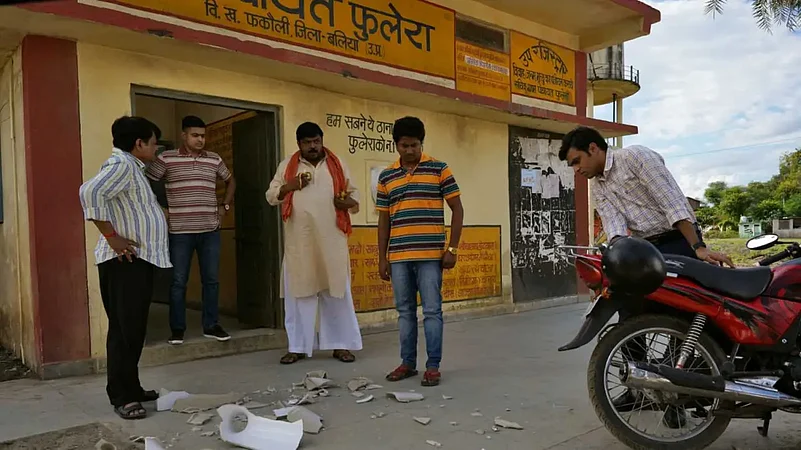
Small-town characters are back on OTT in 2026 as web series move decisively beyond metro India. Streaming platforms are reshaping storytelling around Tier-2 and Tier-3 realities, driven by audience growth, cost economics, and a clear shift in viewer taste toward grounded, local narratives.
Why This Shift on OTT Is Happening Now
This topic is trend based but time sensitive in context. OTT platforms in 2026 are responding to clear consumption data showing faster user growth outside metros. Saturation in urban markets and rising competition have forced platforms to look beyond familiar city centric formulas.
Small-town stories offer scale. Viewers in non metro India now form a large share of active OTT subscribers. Content rooted in relatable settings, local conflicts, and regional social dynamics travels well across languages through dubbing and subtitles. Metro centric aspirational dramas no longer dominate watch time the way they did during the early OTT boom.
Audience Fatigue With Metro-Centric Storytelling
For years, OTT narratives focused heavily on elite urban lives, startup culture, and crime dramas set in big cities. By 2025, signs of fatigue were visible. Repetitive themes, similar character arcs, and limited cultural diversity reduced novelty.
Small-town characters offer contrast. Their problems are immediate, personal, and rooted in social structures rather than spectacle. Family pressure, employment insecurity, caste dynamics, migration, and ambition feel more authentic to a wider audience. These themes cut across age groups and regions, increasing retention and word of mouth traction.
Cost Efficiency and Production Economics
Beyond creative reasons, economics matter. Shooting in small towns lowers production costs without sacrificing scale. Location costs, local crews, and simpler set requirements allow platforms to produce more content within controlled budgets.
This cost efficiency is critical in 2026 as platforms tighten spending after years of aggressive expansion. Small-town web series deliver higher return on investment when they connect with both regional and national audiences. A successful show can be remade or adapted across languages, extending its lifecycle without heavy reinvestment.
Writers and Creators Driving the Change
The rise of writers from non metro backgrounds is reshaping content authenticity. Many creators are drawing from lived experiences rather than researched stereotypes. Dialogue, pacing, and character motivations feel less manufactured.
OTT platforms are actively scouting regional theatre artists, indie filmmakers, and first time writers who understand local nuances. This has led to characters who are flawed, layered, and culturally specific rather than generic small-town caricatures.
Workshops and writers rooms now prioritise regional insight alongside universal storytelling principles.
How Small-Town Settings Expand Genre Possibilities
Small-town settings are not limited to slice of life drama. In 2026, they anchor crime thrillers, political dramas, relationship stories, and social comedies. The setting adds tension by amplifying consequences. In close knit towns, reputation, gossip, and power hierarchies raise stakes naturally.
Genres benefit from restraint. Violence, ambition, and conflict feel sharper when contrasted against ordinary lives. This approach has widened the creative range of OTT without increasing narrative complexity.
What This Means for Regional Representation
The return of small-town characters has improved regional representation without fragmenting audiences. Viewers are increasingly comfortable watching stories set outside their own geography. Subtitles and dubbing have normalised cross regional viewing habits.
Importantly, these stories are not marketed as niche. They are positioned as mainstream entertainment, which helps dismantle the idea that only metro stories are aspirational or globally appealing.
Will This Trend Last Beyond 2026?
The shift appears structural rather than cyclical. As long as user growth remains strongest in Tier-2 and Tier-3 markets, content strategy will follow. The challenge ahead is avoiding repetition and tokenism. Authenticity must be maintained as more creators enter the space.
If platforms over standardise the small-town formula, fatigue could return. Sustained success depends on diversity of voices, regions, and social contexts.
Takeaways
OTT platforms are targeting non metro audiences more aggressively in 2026
Small-town characters offer relatability and better cost efficiency
Creative leadership is shifting toward regional voices
The trend reflects audience demand, not just experimentation
FAQs
Why are OTT platforms focusing on small-town stories now?
User growth and engagement are stronger outside metros, pushing platforms to align content with audience reality.
Are metro based stories disappearing from OTT?
No. They still exist, but they no longer dominate content strategy or volume.
Do small-town web series work across regions?
Yes. Strong themes and characters travel well with dubbing and subtitles.
Is this trend driven more by cost or creativity?
Both. Cost efficiency supports the shift, but audience preference is the primary driver.










Leave a comment