

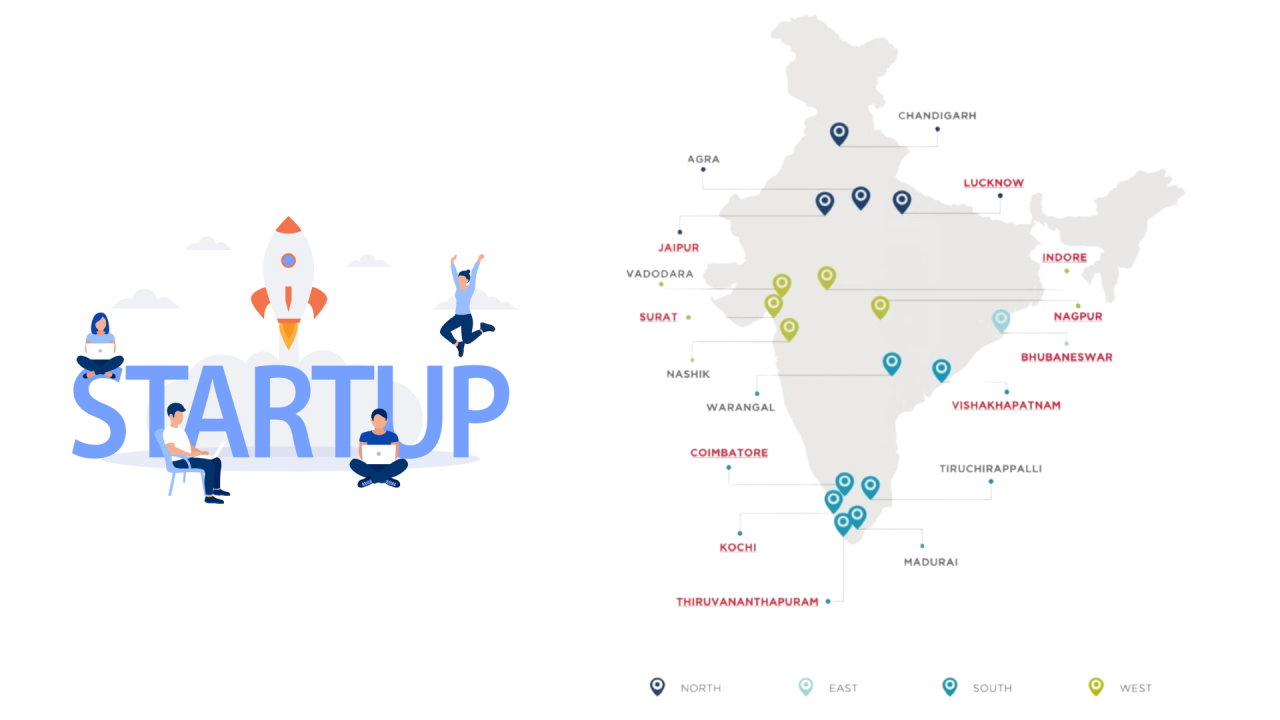
Rural urban digital access in Tier 2 cities has become a defining factor as businesses pivot beyond metros and search for new growth markets. This shift is reshaping how states plan infrastructure, drive digital inclusion and support emerging business ecosystems that rely heavily on reliable connectivity.
The summary
Tier 2 cities are becoming strong growth anchors as companies expand outside metros. Reviewing rural urban digital access reveals major gaps, key opportunities and state level priorities that influence how businesses scale, hire and deliver services.
Why digital access shapes the next phase of business expansion
As enterprises explore Tier 2 and semi urban markets, digital access becomes the determining factor for operations, customer acquisition and service delivery. Companies need stable internet speeds, predictable mobile data coverage and consistent digital payments adoption. Tier 2 cities such as Nagpur, Coimbatore, Indore, Kochi, Jaipur and Lucknow have seen rapid improvements, yet pockets of rural fringe areas continue to lag. This gap affects businesses that rely on hybrid or decentralised models. For service industries, edtech firms, fintech players and online retail, a city’s digital maturity is now as critical as its physical infrastructure.
State level variations in rural urban digital access
Digital readiness varies sharply across states. Southern states generally lead in broadband penetration and consistent 4G and 5G rollout. Maharashtra, Tamil Nadu and Karnataka show relatively stronger integration between urban and rural zones around major Tier 2 hubs. In contrast, parts of eastern and central India still face limited tower density, slower fibre deployment and inconsistent digital literacy. These variations directly affect the pace at which businesses can scale in each region. A state that supports integrated fibre networks, simplified right of way permissions and faster tower clearances becomes more competitive for new age companies. Businesses expanding into smaller markets increasingly evaluate states not only on tax or land policy but also on the reliability of their digital backbone.
Impact on local businesses, startups and workforce mobility
For local businesses, stronger rural urban digital access means being able to adopt digital payments, inventory management tools and online customer engagement with confidence. Startups in Tier 2 cities often operate lean and depend heavily on cloud services and remote collaboration tools. When access is inconsistent, productivity dips and customer response times slow down, affecting competitiveness. Better access also expands the workforce pool. Remote and hybrid workers in the outskirts of Tier 2 cities can participate in the mainstream digital economy only if connectivity is reliable. Companies seeking to hire from smaller towns increasingly consider the depth of digital access before designing hiring programmes. As access improves, previously disconnected populations become available for digital workforces, widening the talent pipeline.
How digital gaps shape consumer behaviour and business models
Digital gaps influence how consumers in Tier 2 and rural fringe zones use online services. In areas with strong connectivity, online shopping, telemedicine and digital banking have witnessed rapid adoption. In places where coverage fluctuates, businesses must design lighter apps, offline compatible features or delayed payment methods. This pushes companies to rethink product strategy. Some consumer tech firms are now building ultra lite app versions tailored for inconsistent networks, while fintech companies are expanding assisted digital models. The difference between high and low adoption zones increasingly reflects digital quality rather than income levels or urbanisation.
The role of state policy and public investment
State governments have a central role in reducing digital divides. Policies that accelerate fibre deployment, encourage private tower installation, invest in community digital centres and improve last mile connectivity directly influence business decisions. States that create integrated digital corridors around Tier 2 hubs often see faster investment from logistics companies, cloud service operators and BPOs. Public investment in digital literacy programmes also helps rural populations participate more confidently in online markets. When people understand digital payments, cybersecurity basics and online documentation, businesses face fewer adoption hurdles. A state that aligns public digital initiatives with private sector growth signals becomes more attractive for long term investment.
Preparing Tier 2 cities for the next wave of digital led growth
To sustain momentum, Tier 2 cities must close the gap between core urban zones and rural fringes. Expanding fibre networks, ensuring 5G continuity, improving redundancy in power supply and increasing digital skilling capacity are now essential. Businesses are scouting for locations where connectivity remains stable not only in city centres but also along industrial corridors and residential expansions. As the digital economy grows, states that invest early and strategically can position their Tier 2 hubs as national growth engines, pulling demand, talent and capital from across regions.
Takeaways
- Digital access has become a core determinant of business expansion into Tier 2 cities and rural fringes.
- State level digital variations shape competitiveness, influencing which regions attract new industry and startups.
- Local businesses and workers benefit significantly when connectivity improves and digital tools become reliable.
- Policy alignment and investment matter, as states with strong digital infrastructure win more business beyond metros.
FAQs
Q: Why is digital access so important for businesses moving beyond metros?
Because modern operations depend on stable connectivity, digital payments, cloud tools and real time communication, all of which require reliable rural urban digital networks.
Q: Which sectors benefit most from improved digital access in Tier 2 cities?
Fintech, edtech, e commerce, logistics, health tech and small service businesses that rely on digital transactions and online customer interaction benefit the most.
Q: What challenges do Tier 2 cities still face?
Uneven tower density, slow fibre rollout in rural fringes, digital literacy gaps and inconsistent power supply continue to limit full scale adoption.
Q: How can states accelerate digital readiness?
By simplifying permissions for fibre and towers, investing in digital literacy and ensuring last mile coverage around expanding city boundaries.












Leave a comment