

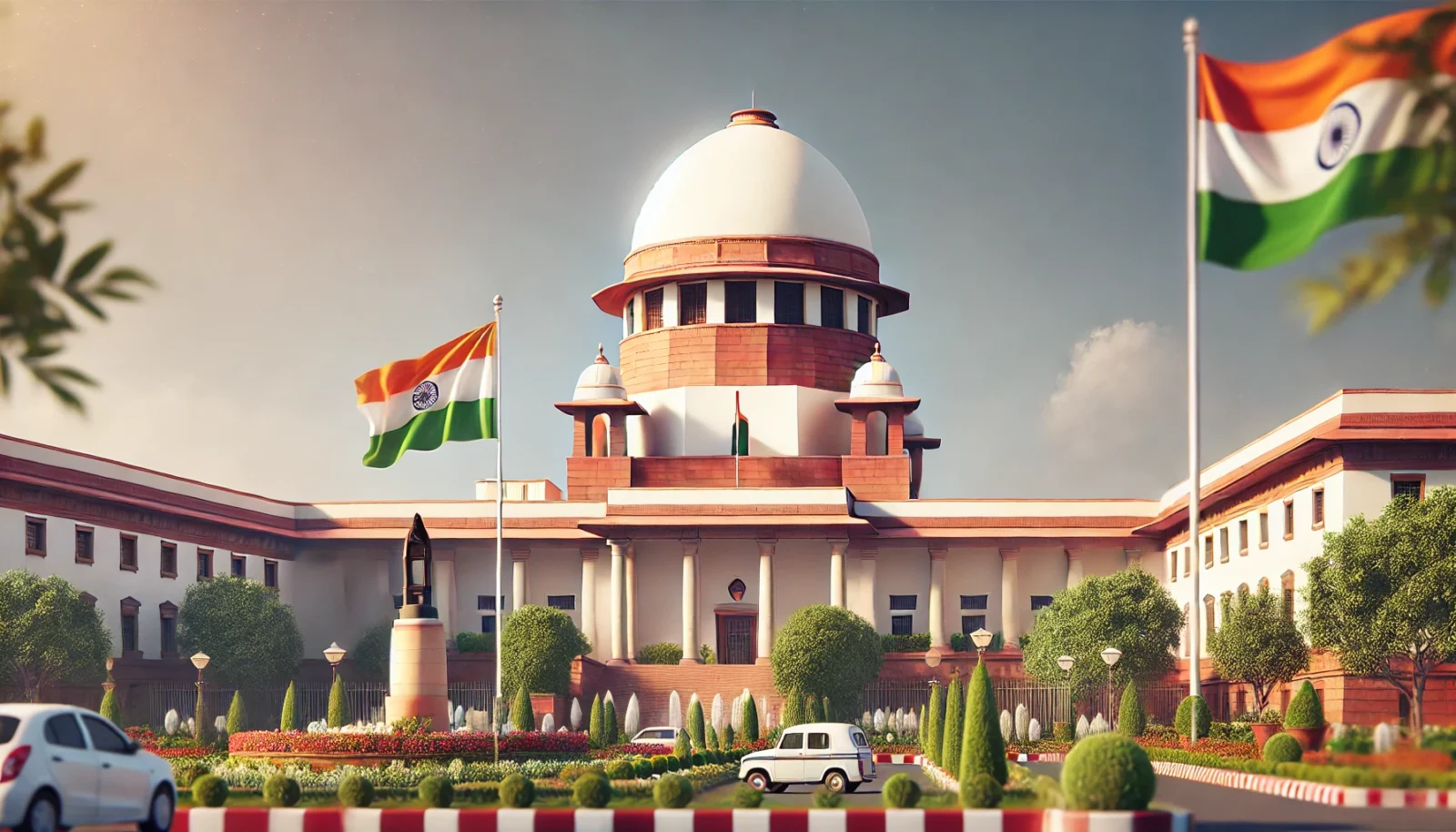
The Supreme Court of India has reinforced the need for proportionality in police investigations involving personal digital data. Its decision to quash a notice seeking a journalist’s digital footprints has renewed debate over privacy rights, investigative powers and press freedom.
Supreme Court Ruling on Journalist’s Digital Privacy
The Supreme Court’s latest ruling on digital privacy in India has brought renewed attention to the limits of police powers in accessing personal information. On October 14, 2026, the Court quashed a Uttar Pradesh Police notice directing social media platform X to provide digital data relating to journalist Abhishek Upadhyay in connection with an alleged road-rage incident.
According to reports published by LiveLaw and The Times of India, the police had sought digital information covering a period beginning June 1, while the alleged incident occurred on August 18. The Court questioned the need to obtain information from a period extending well before the incident under investigation.
The bench comprising Chief Justice of India Surya Kant and Justice Joymalya Bagchi emphasised that investigative agencies must follow the principle of proportionality when seeking personal digital information. The Court also indicated that investigators should consider whether alternative methods have proved inadequate before seeking such data.
The order is significant because digital records can reveal far more than a person’s involvement in a specific incident. They may expose communication patterns, online activity and other details unrelated to the allegation being investigated.
Why the Court Questioned Broad Digital Data Requests
Digital information has become an important part of modern criminal investigations. Police may seek relevant records to establish timelines, identify suspects, verify communications or collect evidence connected to an alleged offence.
However, the scope of a data request matters. A demand for information directly linked to a particular incident differs from a request covering months of a person’s digital activity without a sufficiently clear connection to the investigation.
In this case, the Supreme Court questioned the breadth of the information sought by the Uttar Pradesh Police. The request covered a period substantially earlier than the reported date of the alleged road-rage incident.
The concern is that an unnecessarily broad request may expose personal information that has little or no relevance to the case. Such requests can also create opportunities for fishing inquiries, in which investigators search through extensive personal records in the hope of finding additional evidence.
The ruling does not mean that police cannot obtain digital evidence. Instead, it underlines the need to establish a legitimate investigative purpose and ensure that the information sought is proportionate to that purpose.
Digital Surveillance and the Right to Privacy in India
The right to privacy is recognised as a fundamental right under Article 21 of the Indian Constitution, following the Supreme Court’s landmark judgment in Justice K.S. Puttaswamy (Retd.) v. Union of India in 2017.
That judgment established that privacy is an essential part of personal liberty and dignity. It also recognised that restrictions affecting privacy must satisfy constitutional requirements, including legality, legitimate purpose and proportionality.
These principles are particularly relevant as government agencies, private companies and individuals increasingly rely on digital platforms. Smartphones, messaging applications, social media accounts and online services generate records that can reveal intimate aspects of daily life.
For investigators, such information can provide useful evidence. For individuals, however, unrestricted access can create serious privacy concerns.
The Supreme Court’s latest order brings this balance into focus. Authorities may have legitimate reasons to collect digital evidence, but the existence of investigative powers does not automatically justify every request for personal data.
The specific circumstances of each case, the relevance of the information and the availability of alternative investigative methods remain important considerations.
What the Ruling Means for Journalists and Press Freedom
The case has particular significance for journalists because their professional work often involves sensitive sources, confidential communications and contact with people who may not wish to be publicly identified.
Access to a journalist’s digital records could potentially reveal communications with sources, information about ongoing investigations or conversations unrelated to the matter being examined by police.
This does not place journalists above the law. Journalists can be investigated when there is a lawful basis to do so, and relevant evidence may be obtained through legally permissible procedures.
The concern arises when data collection extends beyond what is reasonably necessary. If journalists believe that their entire digital activity could be examined in connection with an unrelated or narrowly defined allegation, they may become more cautious about communicating with sources.
That possibility has implications for investigative reporting and the public’s ability to access information about matters of public interest.
The issue has gained additional attention amid recent concerns over the treatment of journalists covering protests in Delhi. On October 13, the Supreme Court sought the presence of a senior Delhi Police officer to explain allegations that women journalists had been assaulted or detained while covering demonstrations. These allegations are a separate matter from the digital-data case, but both developments have brought the protection of journalists’ rights into public discussion.
Police Investigations Must Follow Proportionality
Proportionality is a central principle in assessing whether an action that affects individual rights is justified. In practical terms, it requires authorities to consider whether the proposed action is suitable for a legitimate purpose, whether a less intrusive alternative is available and whether the extent of interference is justified.
In digital investigations, this can involve defining a relevant time period, identifying the specific information needed and explaining its connection to the alleged offence.
For example, if investigators are examining an incident reported to have occurred on a particular evening, records connected to that period may be relevant. A request for several months of unrelated activity would require a clear justification.
The Supreme Court’s order highlights why investigators must avoid treating access to digital information as an unrestricted search opportunity.
The Court also indicated that alternative investigative methods should be considered before digital footprints are sought. This approach places the focus on the necessity of collecting information rather than on the mere availability of data from a technology platform.
For social media companies, the case also highlights the importance of handling official requests within applicable legal requirements. Platforms may receive demands for user information, but the scope and legal basis of such requests can become matters of judicial scrutiny.
What the Decision Means for Ordinary Internet Users
Although the case involves a journalist, the underlying privacy issue affects ordinary internet users as well. Digital footprints can include account activity, posts, interactions and other information maintained by online services.
People may not always know how much information is retained by a platform or how that information could be requested during an investigation.
The ruling reinforces the importance of distinguishing between targeted evidence collection and broad requests for personal data. It also demonstrates that investigative decisions involving digital information can be challenged before the courts.
However, the order should not be interpreted as a blanket prohibition on police access to social media records. Authorities can still seek relevant evidence through lawful processes, subject to applicable legal safeguards and judicial scrutiny.
For users, the broader lesson is that digital privacy depends on more than personal account settings. It also depends on how institutions exercise their powers, how companies respond to legal requests and how effectively constitutional protections are enforced.
Takeaways
- The Supreme Court quashed a Uttar Pradesh Police notice seeking journalist Abhishek Upadhyay’s digital data from X.
- The request covered a period beginning June 1, before the alleged road-rage incident on August 18, 2026.
- The Court stressed proportionality and the need to consider alternative investigative methods before seeking digital footprints.
- The ruling highlights the balance between legitimate criminal investigations, personal privacy and the ability of journalists to work without unjustified interference.
Frequently Asked Questions
1. What did the Supreme Court rule in the journalist privacy case?
On October 14, 2026, the Supreme Court quashed a Uttar Pradesh Police notice seeking journalist Abhishek Upadhyay’s digital data from X in connection with an alleged road-rage incident.
2. Why did the Court question the police request?
The request covered a period extending approximately three months before the alleged incident. The Court questioned the breadth of the request and emphasised proportionality in investigations involving personal digital information.
3. Can Indian police still request social media data during investigations?
Yes. Police can seek relevant digital evidence through lawful procedures. The request must comply with applicable law, and the Court’s observations underline the importance of necessity, proportionality and consideration of alternative methods.
4. How does the ruling relate to the right to privacy?
The decision reflects the constitutional importance of protecting personal information while allowing legitimate investigations. It is consistent with the broader privacy principles recognised by the Supreme Court in its 2017 Puttaswamy judgment.










Leave a comment