

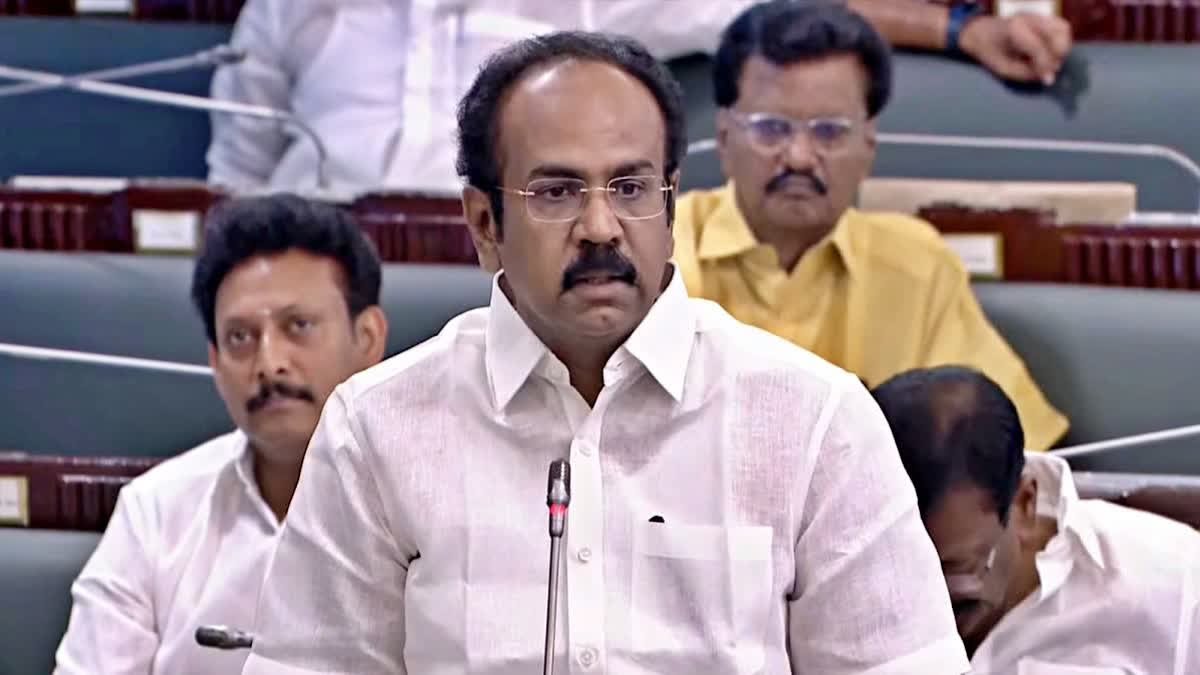
Tamil Nadu is preparing to announce a decision on the Old Pension Scheme reversal, putting local government employees on alert across the state. The potential policy shift has major implications for state finances, employee unions, and long term pension liabilities, making it a time sensitive development.
Short summary paragraph
The Tamil Nadu government is expected to clarify its stand on reversing the Old Pension Scheme, a long standing demand of government employees. The announcement could reshape pension liabilities, budget planning, and workforce morale, especially among state and local body staff.
What the Old Pension Scheme reversal debate is about
The Old Pension Scheme reversal discussion centres on whether Tamil Nadu will move away from the contributory National Pension System and restore the defined benefit pension model for government employees. Under the old system, retirees receive a fixed pension linked to their last drawn salary, fully funded by the state.
The National Pension System, introduced for new employees after a cutoff year, shifted pension responsibility to a contributory model with market linked returns. While fiscally more sustainable, it exposed employees to investment risk, triggering widespread dissatisfaction.
Employee unions in Tamil Nadu have consistently argued that pensions should guarantee post retirement security rather than depend on market performance. The expected announcement reflects months of negotiations, protests, and political pressure ahead of an election sensitive period.
Why government employees are on alert now
Local government employees are closely tracking the Old Pension Scheme reversal decision because of its immediate and long term impact on their financial planning. A reversal could change retirement benefits for thousands of workers across departments such as education, health, public works, and municipal bodies.
For employees nearing retirement, the decision carries heightened urgency. Those who joined service after the pension reform have been demanding parity with older colleagues who remain under the defined benefit system. Any clarity from the government will influence morale and union strategy.
The timing also matters. With the financial year nearing its end, policy clarity helps departments plan payroll liabilities and future contributions. Uncertainty has kept employee associations on standby, ready to respond to either outcome.
Fiscal impact on Tamil Nadu state finances
From a policy standpoint, the Old Pension Scheme reversal raises significant fiscal questions. Defined benefit pensions create long term liabilities that grow with salary revisions and increased life expectancy. For a large state like Tamil Nadu, this can translate into substantial recurring expenditure.
Under the contributory system, pension costs are shared and capped annually. Reverting to the old model shifts the burden entirely to the state exchequer. This can reduce fiscal flexibility and limit spending on infrastructure, welfare, or development projects.
Supporters of reversal argue that a disciplined approach and strong revenue base can absorb the cost. Critics warn that pension obligations can crowd out productive expenditure over time. The government’s decision is likely to balance employee welfare with fiscal sustainability concerns.
Political context behind the pension decision
The Old Pension Scheme reversal debate has strong political undertones. Pension security resonates deeply with government employees, who form a vocal and organised voter base. Several states have already announced partial or full reversals, adding pressure on others to follow suit.
In Tamil Nadu, employee unions have historically influenced policy discourse through collective action. Political parties across the spectrum have acknowledged the sensitivity of the issue, often signalling support during campaigns.
The expected announcement reflects an attempt to manage expectations without triggering fiscal alarm. Whether the government opts for a full rollback, a partial model, or a hybrid structure will reveal how it navigates political commitments against economic constraints.
Possible scenarios after the announcement
There are multiple outcomes employees and administrators are preparing for. A full Old Pension Scheme reversal would immediately place new entrants under the defined benefit model, while also addressing demands from existing employees under the contributory system.
A partial reversal could apply only to certain categories, service periods, or future recruits. This approach reduces fiscal shock but may disappoint unions seeking complete parity.
Another possibility is a modified pension framework that enhances guaranteed returns within the contributory system. Such a move could improve employee confidence without reinstating open ended liabilities. The announcement will clarify which path Tamil Nadu intends to take.
Impact on local bodies and administrative planning
Local government bodies such as municipalities and panchayats will feel the operational impact of any pension policy change. Payroll planning, retirement projections, and fund allocation models will need revision if pension obligations increase.
For smaller local bodies, higher pension liabilities could strain already limited budgets. State support mechanisms may be required to prevent service disruptions. Administrative departments are preparing for potential guideline updates once the decision is formally communicated.
Clear communication will be critical to avoid confusion among employees and implementing agencies. Delays or ambiguity could lead to unrest or renewed protests.
What comes next for employees and the state
Once the decision is announced, employee unions are expected to assess its scope before deciding on further action. Acceptance or escalation will depend on how closely the outcome aligns with long standing demands.
For the state, the challenge will shift to execution. Pension policy changes require legislative backing, accounting adjustments, and long term financial planning. How effectively these steps are managed will determine whether the decision strengthens trust or creates new tensions.
The announcement marks a pivotal moment in Tamil Nadu’s public employment framework, with implications extending far beyond pensions alone.
Takeaways
- Tamil Nadu is set to clarify its stand on reversing the Old Pension Scheme.
- Government employees are watching closely due to direct retirement impact.
- A full reversal would significantly increase long term fiscal liabilities.
- The final decision will balance political pressure with budget realities.
FAQs
What is the Old Pension Scheme?
It is a defined benefit pension system where retirees receive a fixed monthly pension funded entirely by the state.
Why do employees want a reversal?
They prefer guaranteed post retirement income instead of market linked returns under the contributory system.
Will all employees benefit if the scheme is reversed?
That depends on whether the government opts for a full or partial rollback.
How does this affect Tamil Nadu’s finances?
Reversal increases long term pension liabilities and reduces fiscal flexibility over time.












Leave a comment