

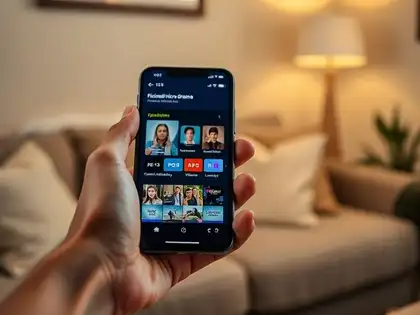
Tata Play Binge’s microdrama push reflects accelerating cord cutting trends in India, where viewers are moving from traditional DTH television to digital first content formats. Short episodic storytelling, mobile friendly consumption, and changing attention spans are reshaping how Indian audiences engage with entertainment.
Cord cutting trends in India are no longer limited to metros or tech savvy youth. They are now visible across Tier 2 and Tier 3 markets, where households are reassessing the value of long form television subscriptions. Tata Play Binge’s move into microdramas highlights how legacy TV platforms are adapting to retain relevance in a digital dominated viewing environment.
Why Microdramas Fit Current Viewing Habits
Microdramas are designed for short attention cycles. Episodes typically last a few minutes and are structured around cliffhangers that encourage continuous viewing. This format aligns closely with mobile consumption patterns, where users watch content during commutes, breaks, or idle time.
Traditional DTH programming depends on fixed schedules and longer episode durations. Microdramas remove both constraints. Viewers control when and how much they watch, without committing to full length episodes or appointment viewing.
Tata Play Binge’s microdrama strategy targets this behavioural shift. It recognises that convenience and immediacy now outweigh channel loyalty for a growing segment of viewers.
Cord Cutting Trends Beyond Metro Cities
Cord cutting trends are increasingly visible in non metro households. Rising broadband penetration, affordable smartphones, and bundled data plans have reduced dependence on satellite television.
In smaller cities, viewers often retain DTH connections for family viewing but rely on digital platforms for personal entertainment. Microdramas fill this gap by offering snackable content that does not disrupt household viewing preferences.
This hybrid consumption pattern explains why platforms like Tata Play Binge are focusing on complementary formats rather than replacing television entirely.
Why Tata Play Binge Is Betting on Microdramas
Tata Play Binge occupies a unique position as a bridge between television and OTT. Its microdrama push reflects an understanding that traditional DTH growth has plateaued while digital engagement continues to rise.
Microdramas offer several strategic advantages. They are cheaper to produce than long running TV serials. They allow faster experimentation with genres and narratives. Performance data is available quickly, enabling rapid iteration.
For Tata Play Binge, this format also encourages app usage frequency, a key metric for digital platforms. Regular short viewing sessions increase retention and reduce churn.
Impact on Traditional DTH Viewership
The rise of microdramas does not immediately eliminate DTH viewership, but it alters its role. DTH is increasingly reserved for live events, news, sports, and family oriented programming.
Entertainment consumption, especially fiction, is shifting to digital platforms. Viewers prefer on demand access and personalised recommendations over linear schedules.
As microdramas gain traction, traditional channels may see reduced engagement for weekday fiction slots. This pressures broadcasters to rethink content length, pacing, and release strategies.
Content Strategy Shifts Across the Industry
Tata Play Binge’s move reflects a broader industry trend. Platforms are prioritising volume, speed, and discoverability over long production cycles. Microdramas allow creators to respond quickly to trends, social themes, and audience feedback.
This also opens doors for new creators and actors. Short format content lowers entry barriers and reduces risk for experimentation. Successful microdramas can later be expanded into longer formats if demand exists.
For the industry, this creates a funnel where digital formats act as testing grounds for future IP development.
Advertising and Monetisation Implications
Cord cutting trends force advertisers to rethink media allocation. Microdramas attract younger viewers who are less accessible through traditional television.
Digital formats allow targeted advertising, native integrations, and performance tracking. Brands can measure engagement rather than relying solely on reach estimates.
For platforms like Tata Play Binge, microdramas create monetisation opportunities through ad supported viewing, premium unlocks, and brand collaborations without disrupting user experience.
Viewer Psychology and Engagement Patterns
Microdramas thrive on emotional hooks and fast storytelling. This suits viewers who seek instant gratification rather than long narrative buildup.
Audience engagement shifts from weekly loyalty to daily habit formation. Viewers may not remember episode numbers but remain hooked through continuous story arcs.
This change challenges traditional content metrics. Success is measured by completion rates, repeat sessions, and shareability rather than time spent on a single episode.
What This Means for the Future of Indian Television
The microdrama push suggests that Indian television is moving toward coexistence rather than competition with digital platforms. DTH will remain relevant for shared experiences, while digital formats dominate individual viewing.
Cord cutting trends will likely accelerate as platforms refine short form storytelling and improve regional content availability. Legacy TV operators that fail to adapt risk losing younger audiences permanently.
Tata Play Binge’s strategy shows that survival lies in flexibility, format innovation, and acknowledging how audiences actually consume content today.
Takeaways
- Microdramas align with mobile first viewing habits driving cord cutting trends.
- Tata Play Binge is repositioning itself from DTH distributor to digital platform.
- Traditional TV remains relevant but plays a narrower role in entertainment consumption.
- Short format content is reshaping content creation, advertising, and audience engagement.
FAQs
What are microdramas in digital streaming?
Microdramas are short episodic shows designed for quick consumption, usually lasting a few minutes per episode.
Why are viewers moving away from traditional DTH television?
On demand access, flexible viewing time, and personalised content make digital platforms more convenient.
Is Tata Play Binge replacing DTH services?
No. It is expanding into digital formats to complement traditional television offerings.
Will microdramas replace long TV serials?
They are unlikely to replace them entirely but will reduce dependence on long form daily fiction.











Leave a comment