

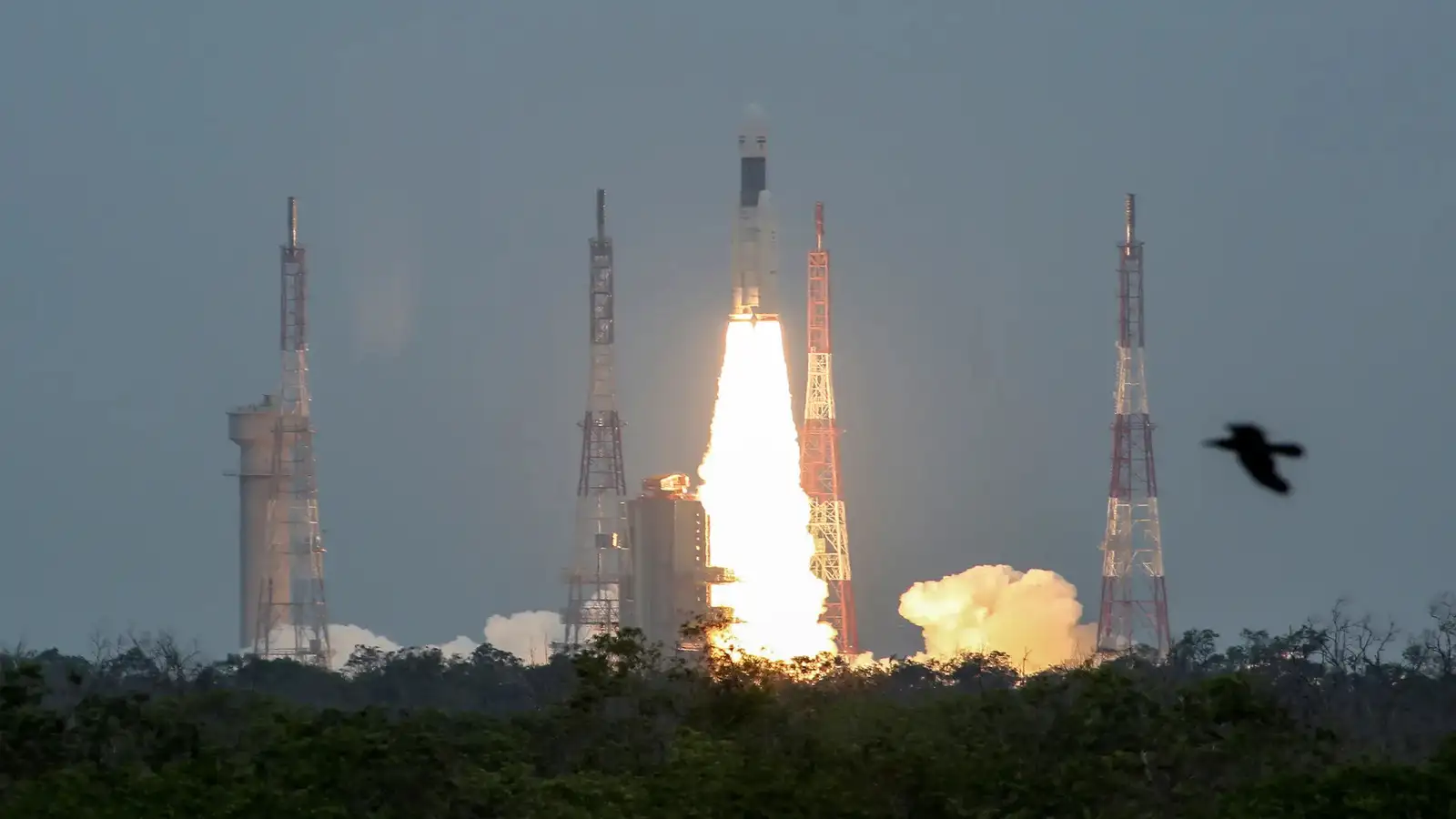
The launch of the Rs 1,000 crore venture capital fund by the Indian National Space Promotion and Authorisation Centre (IN-SPACe) is designed to accelerate private space startups. This move could significantly shape innovation and talent growth in emerging Tier 2 engineering hubs.
The IN-SPACe Rs 1,000 crore VC fund for space startups represents a structural shift in how India supports its growing private space sector. While the country has developed strong capabilities in satellite launches, remote sensing and mission systems through ISRO, private industry participation has been limited by funding and infrastructure constraints. This new fund aims to stimulate early and growth-stage companies working in satellite manufacturing, launch systems, ground communications, space-based analytics and related technologies. The development is especially relevant for Tier 2 engineering hubs where skilled talent exists, but startup capital and ecosystem support have been limited until now.
Subhead: Why IN-SPACe Launched The Fund
The fund is part of India’s broader strategy to expand private sector participation in the global space economy. The global space market is valued at more than USD 500 billion, with commercial applications driving a substantial portion of the growth. India’s current private sector footprint remains smaller than its potential share, largely due to early-stage financing gaps and limited access to testing infrastructure. IN-SPACe, which functions as a regulatory and facilitation body for non-government space activities, aims to use this fund to support companies developing commercially viable models in satellite operations, launch vehicles, data analytics and downstream services. The goal is to convert research capabilities into scalable businesses rather than isolated technology demonstrations.
Subhead: Potential Impact on Tier 2 Engineering Hubs
Tier 2 engineering hubs such as Coimbatore, Nagpur, Surat, Vadodara, Mysuru, Jaipur and Lucknow host strong engineering colleges, fabrication units and electronics manufacturing clusters. These centers produce technically skilled graduates who often migrate to metro cities or overseas for employment due to limited local industry presence. The new fund may enable startups in these cities to build and retain engineering teams locally by leveraging cost advantages and proximity to manufacturing supply chains. Space hardware manufacturing, component fabrication and testing support industries benefit from lower operational costs in these regions. If capital becomes available to founders operating outside metro ecosystems, Tier 2 cities could become increasingly competitive in downstream and hardware-linked space sectors.
Subhead: Strengthening Local Supply Chains And Advanced Manufacturing
Many space startups require access to precision machining, material science expertise, sensor integration and embedded system capabilities. These functions overlap strongly with existing strengths in certain Tier 2 markets. For instance, Coimbatore has deep capabilities in industrial machining and component manufacturing. Surat and Vadodara have backgrounds in electronics and electrical systems. Mysuru hosts software and embedded systems talent. If supported with targeted funding and collaboration programs, these cities could supply components and modules to larger national space missions as well as international commercial space customers. The policy direction encourages startups to work with local MSMEs to build distributed supply chains rather than centralizing production in a few major tech corridors.
Subhead: Skilling, Research Collaboration And University Partnerships
The VC fund’s impact will depend heavily on how well research institutions, universities and innovation centers are integrated into startup pipelines. Engineering institutes in Tier 2 cities often have strong theoretical programs but limited exposure to commercialization frameworks. IN-SPACe has indicated that mentorship, incubation and testing facility access will complement funding. Collaboration between ISRO labs, academic institutions and startups can bridge gaps in materials testing, propulsion research, space-grade communication systems and simulation technologies. Skilling programs aligned to space-grade manufacturing standards will help ensure that local labor forces are prepared to contribute to high precision project requirements.
Subhead: Challenges And Dependencies To Address
Creating a successful space startup ecosystem outside metro cities will require consistent execution. Testing infrastructure such as vacuum chambers, thermal cycling labs and structural testing facilities are capital intensive and currently concentrated in limited research zones. Startups in Tier 2 hubs may face logistical challenges unless shared access facilities are established. Additionally, commercialization timelines in space projects can be longer than typical tech startups, requiring patient capital and structured project management. Public-private collaboration and procurement support from government agencies will be important to ensure early viability for companies in emerging clusters.
Subhead: A Potential Multi-Regional Space Innovation Network
If the funding and support mechanisms align, India could develop a multi-nodal space innovation network. Bengaluru and Hyderabad may continue to lead in design and systems integration, while Tier 2 cities contribute fabrication, component engineering, software development and downstream data services. This distributed growth model can strengthen national capacity, reduce cost concentrations and create skilled employment across regions. The policy direction suggests that India is aiming for long term ecosystem development rather than short-term acceleration.
Takeaways:
• The IN-SPACe Rs 1,000 crore VC fund is designed to expand private participation in space technology.
• Tier 2 engineering hubs may benefit by building supply chains and retaining local talent.
• University collaboration, shared testing facilities and skill development will be critical to success.
• Sustainable growth depends on addressing infrastructure and funding continuity challenges.
FAQ:
Q1: Which startups are eligible for the IN-SPACe VC fund?
A1: Startups working on space technology, satellite systems, launch systems, communication modules and space-based data applications may qualify depending on project viability.
Q2: Will Tier 2 cities get dedicated incubation centers?
A2: The policy encourages regional incubation support, though actual rollout will depend on state partnerships and institutional collaboration.
Q3: How does this fund help local engineering talent?
A3: It increases opportunities for high-technology employment locally, reducing the need for migration to metro cities and encouraging research-business integration.
Q4: When will the fund’s support be visible in the market?
A4: Funding disbursement and institutional coordination will take time. Initial visible impact is expected over the next two to three years.










Leave a comment