

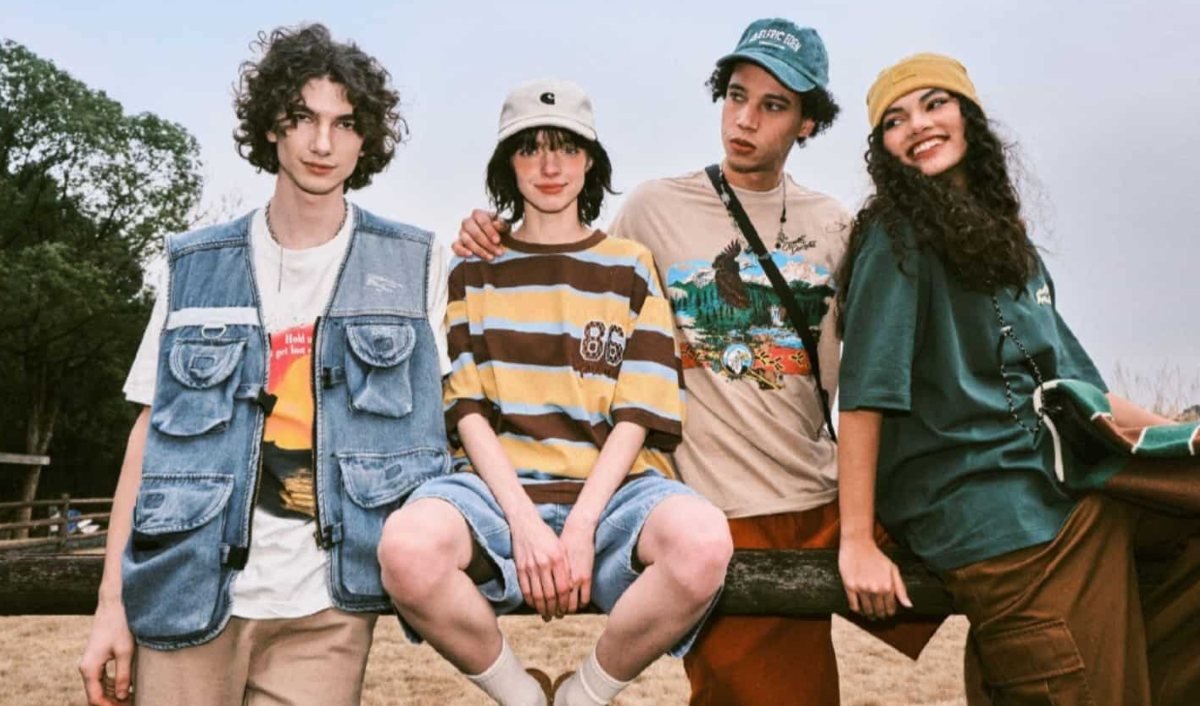
India’s Tier-2 and Tier-3 cities are no longer passive markets—they are now active trendsetters redefining lifestyle and aspiration. From weekend travel to fast fashion and leisure spending, millennials in smaller cities are driving a quiet but powerful consumption revolution that reflects new-age identity and confidence.
Intent and Context: An Evergreen Consumer Shift
This is an evergreen trend, anchored in evolving consumption patterns and cultural self-expression. India’s urban growth story is now led by smaller cities, where a young, digitally connected population is reshaping how lifestyle, travel, and fashion are experienced. According to a 2025 NielsenIQ study, Tier-2 cities now contribute nearly 55 percent of India’s discretionary consumption growth. The driver isn’t just income—it’s aspiration, exposure, and the growing belief that global lifestyles can be lived locally.
Travel as a Symbol of Aspiration and Independence
Travel has become one of the most visible markers of lifestyle evolution in smaller cities. Weekend trips, solo journeys, and local explorations are now commonplace among millennials from Lucknow, Indore, Jaipur, and Coimbatore. Travel booking platforms such as MakeMyTrip and Ixigo report that 58 percent of new users in 2024 came from non-metro India. For these travelers, experiences matter more than luxury—they prefer road trips, boutique stays, and eco-tourism to crowded mass travel. Social media amplifies this trend: Instagram reels and travel vlogs from small-town creators are inspiring regional audiences to explore beyond their city borders. Travel isn’t just a hobby anymore—it’s a declaration of independence and personal growth.
Fashion: Blending Global Aesthetics with Local Identity
Fashion in Tier-2 cities has evolved from imitation to innovation. Affordable global access via e-commerce and homegrown brands like Bewakoof, Nykaa Fashion, and Urbanic has democratized style. Yet, the real transformation lies in how millennials interpret fashion—they mix local craftsmanship with global aesthetics. Young shoppers in cities like Surat, Kanpur, and Coimbatore are increasingly favoring sustainable fabrics, regional prints, and gender-neutral designs. Offline, boutique culture is thriving, with small designers creating community-driven brands rooted in local identity. Unlike earlier generations that looked to metros for fashion cues, today’s Tier-2 consumers define their own trends—digital-first, inclusive, and proudly local.
Leisure Spending: From Functional to Experiential
The spending philosophy in smaller cities has shifted from saving to self-investment. Entertainment, dining, and lifestyle experiences are now integral to the millennial budget. Multiplexes, microbreweries, and concept cafes are expanding into cities like Bhopal and Mysuru, where demand is driven by young professionals and students. A report by CRISIL estimates that leisure spending in Tier-2 cities has grown 2.5 times faster than in metros over the past five years. Fitness, gaming, and hobbies like photography or pottery have also gained traction, powered by digital exposure and the post-pandemic wellness mindset. For many, leisure is not a luxury—it’s a statement of balanced living and individuality.
The Role of Digital Platforms in Lifestyle Shifts
Social media and e-commerce have been catalysts for this transformation. Platforms like Instagram, Pinterest, and YouTube have given Tier-2 millennials access to global inspiration and local validation. Influencer culture in smaller towns is booming, with micro-creators shaping consumption decisions through authenticity. From local travel experiences to thrift fashion hauls, this digital content has created a sense of community-led aspiration. The result: cultural diffusion from metros has turned into reverse influence, with small-town creators and consumers increasingly setting trends that even metro audiences follow.
Consumption Power Meets Conscious Choice
What distinguishes Tier-2 millennials from metro consumers is their value-conscious mindset. They spend, but they spend smartly. Sustainability, functionality, and story-driven products are gaining importance. Brands like FabIndia, The Souled Store, and Boat report strong demand from smaller cities because they align with this balance—affordable but expressive. In fashion, resale and thrift platforms are picking up; in travel, budget-friendly homestays are preferred over luxury hotels. This generation isn’t driven by status—it’s driven by self-expression through meaningful choices.
Regional Culture as the New Global Narrative
A subtle but important aspect of this shift is how Tier-2 millennials are integrating regional culture into their modern lifestyles. Whether it’s styling ethnic wear with sneakers, turning local cuisines into Instagrammable experiences, or promoting hometown tourism, they’re reframing “small-town” identity as modern and aspirational. This rooted modernity has redefined India’s cultural narrative: being global no longer means abandoning local—it means reinterpreting it.
What This Means for Brands and Businesses
For brands, this consumption realignment is both an opportunity and a challenge. Tier-2 millennials expect personalization, accessibility, and purpose. They want high-quality experiences without metropolitan pricing. Businesses that succeed in these markets are those that localize their strategy—using regional language marketing, influencer collaborations, and hybrid offline-online retail experiences. As competition intensifies, the future of India’s consumer economy will hinge on how effectively companies understand and adapt to this young, expressive, and evolving demographic.
Takeaways:
- Tier-2 and Tier-3 millennials are driving India’s next wave of lifestyle consumption.
- Travel, fashion, and leisure are being redefined as tools of self-expression and independence.
- Social media and e-commerce have enabled global access while amplifying local identity.
- Brands must localize strategies and appeal to value-conscious yet aspirational consumers.
FAQs
Q: Why are Tier-2 cities now leading lifestyle consumption growth?
A: Rising disposable incomes, better connectivity, and digital exposure have empowered smaller-city youth to explore lifestyle choices once limited to metros.
Q: How are travel patterns changing among Tier-2 millennials?
A: They prefer local, experiential, and budget-friendly travel, often inspired by social media creators and digital travel communities.
Q: What defines fashion in Tier-2 India today?
A: A mix of affordability, individuality, and cultural authenticity—local fabrics paired with global styling.
Q: What opportunities does this shift create for businesses?
A: Expanding into smaller markets with regional customization, digital storytelling, and experience-led branding can unlock long-term growth.









Leave a comment