

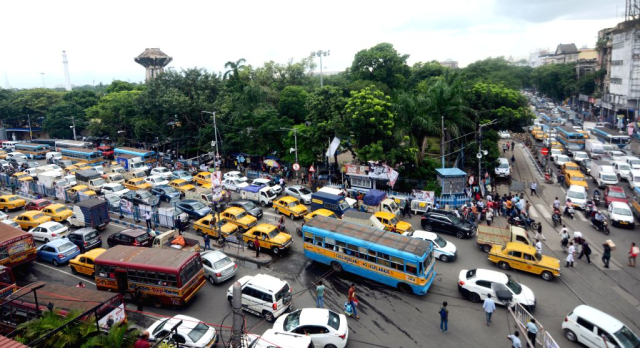
Urban commuting stress has become a defining feature of daily life in Indian metros, and viral Metro altercations have turned this pressure into a visible public conversation. These incidents are not isolated conflicts. They reflect deeper issues in public transport culture, crowd management, and urban planning.
The topic is evergreen in nature. While specific incidents go viral from time to time, the underlying causes are structural and persistent. The tone here is explanatory and analytical rather than breaking news focused.
Why Urban Commuting Stress Is Intensifying In Metros
Urban commuting stress in Indian metros has increased due to a mismatch between population growth and transport capacity. Cities like Delhi, Mumbai, Bengaluru, and Kolkata have seen rapid expansion of Metro networks, but demand has grown even faster.
Peak hour travel often means standing shoulder to shoulder for extended periods. Delays, last mile connectivity gaps, and overcrowded platforms add to daily fatigue. For many commuters, travel time now rivals work hours in emotional toll.
This sustained pressure lowers tolerance levels. Small triggers such as queue jumping, accidental pushing, or seat disputes escalate quickly in enclosed spaces like Metro coaches.
How Metro Altercations Become Viral Content
Metro altercations gain traction online because they combine relatability with shock value. Most urban residents have experienced similar frustration, even if they never reacted publicly.
Smartphones ensure that arguments, physical scuffles, or verbal abuse are instantly recorded. Short clips circulate without context, turning private moments of stress into public spectacle.
Viral videos often attract moral commentary rather than empathy. The focus shifts from understanding systemic causes to judging individual behaviour, which distorts the real issue of commuting stress.
What These Incidents Reveal About Public Transport Culture
Public transport culture in Indian metros is still evolving. The Metro system brought efficiency and speed, but behavioural norms have not kept pace with usage density.
Many commuters lack clarity on queuing etiquette, priority seating discipline, or personal space expectations. Cultural diversity adds another layer, as norms vary widely across regions and social backgrounds.
Unlike older transport systems where informality was accepted, Metro travel demands strict adherence to shared rules. When enforcement is inconsistent, frustration fills the gap.
Gender, Safety, And Public Reaction
A recurring feature in viral Metro altercations is gendered interpretation. Videos involving women often trigger polarised reactions, either aggressive condemnation or unconditional defence.
This reflects broader anxieties around safety, harassment, and trust in public spaces. While genuine safety concerns exist, not every altercation fits a single narrative.
The rapid judgment culture of social media leaves little room for context. This damages public trust and discourages balanced discussion around commuter behaviour and system design.
Infrastructure Pressure And Design Limitations
Metro systems were designed for projected demand, not the explosive urbanisation seen over the last decade. Station layouts, platform widths, and interchange capacity are now under stress.
During peak hours, even minor delays cause crowd accumulation. Escalators become choke points. Entry gates slow movement. Inside coaches, lack of space increases physical contact and discomfort.
Urban commuting stress is therefore not a behavioural failure alone. It is a design and capacity challenge that requires infrastructure upgrades alongside cultural adaptation.
The Role Of Work Culture In Commuter Stress
Long work hours and rigid office timings worsen Metro crowding. Most offices start and end within narrow time windows, pushing millions into the system simultaneously.
Flexible hours and staggered shifts remain limited despite widespread discussion. Hybrid work adoption has slowed in many sectors, bringing peak load back to pre pandemic levels.
Until work culture evolves, public transport systems will continue operating at breaking point during limited hours of the day.
Enforcement, Accountability, And Communication Gaps
Metro authorities face a delicate balance between enforcement and passenger goodwill. Excessive policing can feel intrusive, while lax enforcement invites disorder.
Clear communication around rules, platform discipline, and conflict resolution is often lacking. Announcements focus on safety warnings rather than behavioural guidance.
Some systems have begun deploying marshals and crowd managers, but coverage remains uneven. Without visible authority, disputes escalate unchecked.
What Needs To Change Beyond Viral Debates
Viral Metro altercations should be treated as warning signals rather than entertainment. Urban commuting stress cannot be solved by blaming commuters alone.
Cities need multi pronged responses. Infrastructure expansion must match population growth. Peak hour management needs innovation. Behavioural campaigns should normalise civic etiquette without moralising.
Public transport culture is built through repetition, clarity, and fairness. When systems respect commuter dignity, commuters respond in kind.
The Bigger Picture Of Urban Mental Fatigue
The deeper issue is urban mental fatigue. Long commutes reduce personal time, increase anxiety, and erode patience. Public spaces then become pressure release zones.
Metro altercations are visible symptoms of invisible stress carried by millions daily. Addressing them requires empathy as much as enforcement.
India’s metros remain essential to sustainable urban living. Improving the commuting experience is not optional. It is central to social stability in dense cities.
Takeaways
Urban commuting stress is driven by capacity gaps and rigid work timings
Viral Metro altercations reflect systemic pressure, not isolated behaviour
Public transport culture needs clear norms and consistent enforcement
Infrastructure design and mental wellbeing are closely linked
FAQs
Why do Metro altercations happen so frequently in metros
Overcrowding, time pressure, and lack of personal space lower tolerance and trigger conflicts.
Are these incidents increasing or just getting more visibility
Smartphone recording and social media sharing have increased visibility more than actual frequency.
What can Metro authorities do to reduce commuter stress
Improve peak hour management, expand capacity, deploy trained marshals, and communicate behavioural norms clearly.
Can flexible work hours reduce Metro crowding
Yes. Staggered office timings can significantly ease peak load and improve commuter experience.










Leave a comment