

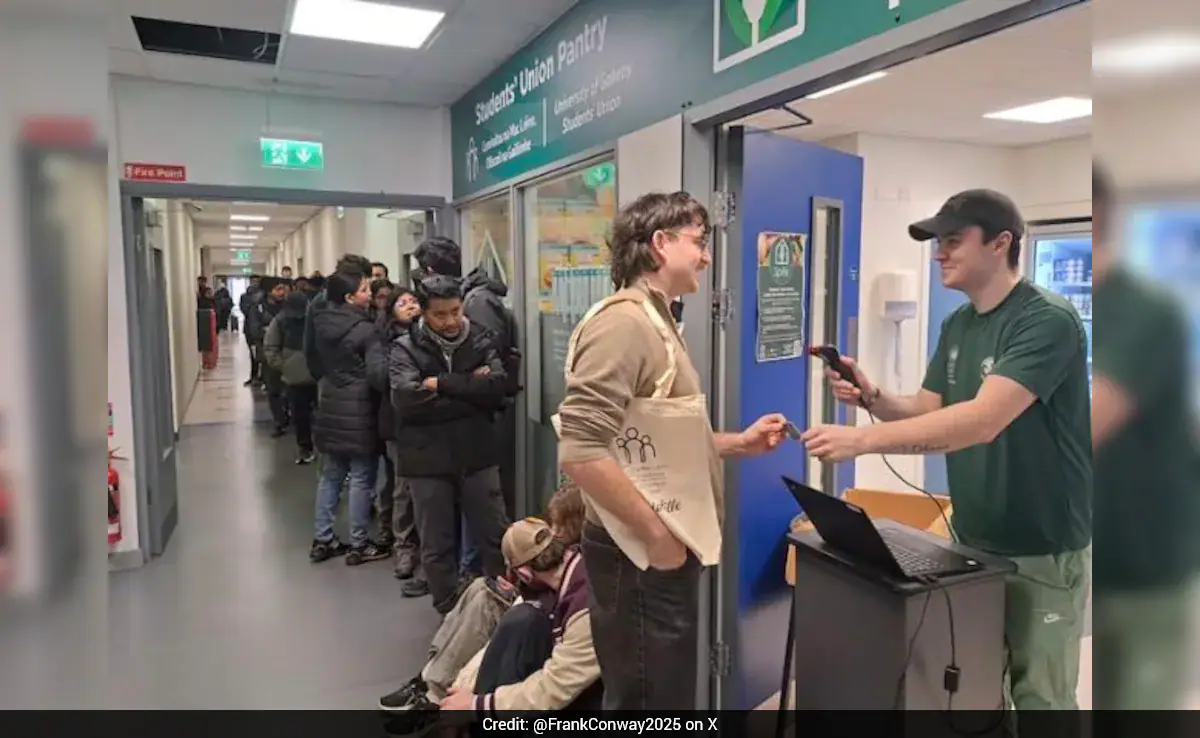
The xenophobia photo backlash has exposed how a single viral image can trigger racial attacks against Indians online. Social media platforms witnessed coordinated hate comments, misinformation and stereotyping, raising fresh concerns about digital accountability and community safety.
The xenophobia photo backlash unfolded after a widely shared image began circulating across social media platforms, accompanied by misleading captions targeting Indians. Within hours, the post attracted thousands of comments, many containing racial slurs and generalized accusations. The incident highlights how visual content, when stripped of context, can fuel online hate campaigns and amplify xenophobia at scale.
How One Image Escalated Into Online Hate
The viral photo at the center of the controversy was shared without verified background information. Users began attaching narratives that framed the image as evidence of negative behavior attributed to Indians. Algorithms on major platforms amplified engagement because of rapid shares and high comment activity.
Social media ecosystems often reward outrage. As the post gained traction, coordinated accounts and anonymous profiles joined the conversation, escalating racial attacks. The image was reposted across different platforms including short video apps and microblogging sites, further widening reach. The absence of immediate contextual clarification allowed misinformation to solidify before corrections could circulate.
The Mechanics of Digital Xenophobia
Digital xenophobia differs from isolated hate speech. It combines visual triggers, viral distribution and identity based narratives. In this case, the xenophobia photo backlash followed a familiar pattern. First, a provocative image is shared. Second, users attribute collective blame to a community. Third, echo chambers reinforce the narrative.
Online hate campaigns often rely on repetition rather than evidence. Users screenshot comments, create memes and circulate edited versions of the original image. Each layer adds distortion. For Indian diaspora communities, such episodes can quickly translate into real world anxiety, especially when rhetoric escalates to calls for exclusion or violence.
Platform Responsibility and Moderation Challenges
The xenophobia photo backlash also raises questions about platform governance. Social media companies have community guidelines that prohibit hate speech and racial abuse. However, enforcement is inconsistent, especially when posts trend rapidly. Automated moderation systems detect specific keywords but often struggle with coded language and sarcasm.
Manual review teams can intervene, but by the time moderation actions occur, the content may already have reached millions. The speed of virality outpaces traditional oversight mechanisms. Platforms face a balance between free expression and harm prevention. In high volume hate incidents, delayed response can enable narrative entrenchment.
Impact on Indian Online Communities
Indian users, both within the country and abroad, reported harassment and targeted abuse following the viral post. Some individuals found their profiles flooded with hostile comments despite having no connection to the original image. Diaspora students and professionals are particularly vulnerable when xenophobic narratives intersect with political or economic tensions.
Such episodes also affect brand perception. Indian creators and influencers often experience follower loss or algorithmic penalties when controversy drives toxic engagement on their posts. The psychological toll of coordinated harassment should not be underestimated. Studies on online abuse indicate increased stress, anxiety and withdrawal from digital participation.
Legal and Policy Dimensions
Most countries have laws addressing hate speech and online harassment, but cross border enforcement remains complex. When xenophobic attacks spread across international platforms, jurisdictional boundaries limit swift legal remedies. India’s information technology framework mandates intermediaries to act against unlawful content, but enforcement depends on reporting and platform compliance.
The xenophobia photo backlash demonstrates the need for clearer escalation channels and faster grievance redressal systems. Civil society groups have advocated for transparency reports detailing how viral hate incidents are handled. Data on removal timelines and account suspensions can improve accountability.
The Role of Media Literacy and Fact Checking
Beyond regulation, media literacy plays a central role in preventing similar incidents. Users must verify context before sharing emotionally charged content. Reverse image search tools and fact checking initiatives help identify manipulated or misrepresented visuals. However, corrective posts rarely travel as fast as sensational content.
Educational institutions and digital awareness campaigns can reduce susceptibility to viral misinformation. Encouraging critical evaluation of images and captions is essential. The xenophobia photo backlash illustrates how unverified assumptions can escalate into collective hostility within hours.
Preventing Future Online Racial Attacks
Preventing digital xenophobia requires coordinated effort. Platforms need improved AI moderation tools capable of detecting contextual hate speech. Governments must clarify cross border cooperation mechanisms. Users should report abusive content promptly and avoid amplifying inflammatory posts.
Community leaders and influencers also play a role. Public condemnation of racial attacks and rapid contextual clarification can limit spread. Silence or delayed response often allows misinformation to dominate the narrative. Collective vigilance is necessary to ensure that one image does not become a trigger for widespread prejudice.
The xenophobia photo backlash serves as a reminder that digital spaces reflect real world biases. Technology amplifies both connection and division. Responsible participation, stronger moderation frameworks and proactive education are critical to safeguarding online communities from racially motivated harassment.
Takeaways
A single viral image can trigger widespread xenophobic attacks online.
Algorithm driven amplification accelerates the spread of racial narratives.
Platform moderation struggles to match the speed of viral hate content.
Media literacy and rapid fact checking are essential to counter misinformation.
FAQs
What caused the xenophobia photo backlash?
A widely circulated image was shared with misleading captions, leading to racial stereotyping and coordinated online attacks against Indians.
How do social media algorithms contribute to such incidents?
Algorithms prioritize high engagement content, which can amplify controversial or inflammatory posts regardless of accuracy.
Can platforms legally remove xenophobic content?
Yes, most platforms prohibit hate speech under their community guidelines and are required in many jurisdictions to act against unlawful content.
How can users protect themselves during online hate campaigns?
Users can report abusive content, limit comment visibility, use privacy controls and avoid engaging with coordinated hate accounts.











Leave a comment