

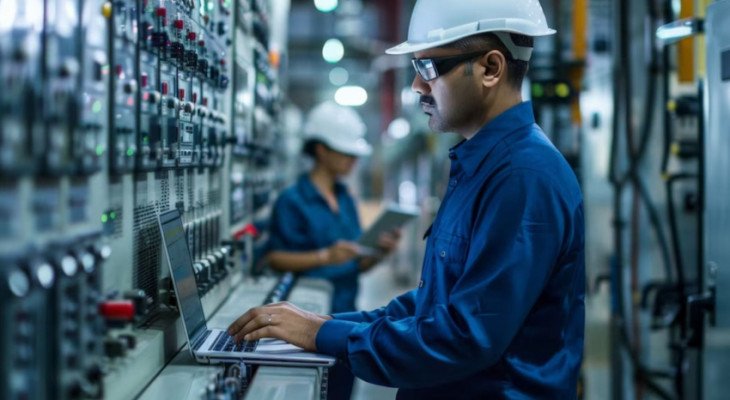
India is witnessing growing competition among state governments to attract manufacturing investments in Tier-2 regions. With rising infrastructure, policy incentives, and lower operational costs, smaller cities are becoming attractive destinations for industries looking to expand production capacity.
The focus on manufacturing investment in Tier-2 regions has intensified as states attempt to boost industrial growth and employment. Instead of concentrating industries only in major metropolitan areas, policymakers are promoting smaller cities through industrial corridors, logistics infrastructure, and business friendly policies. This shift reflects broader economic goals of balanced regional development and stronger domestic manufacturing.
Policy Push Behind Manufacturing Expansion in Tier-2 Cities
The push for manufacturing development in Tier-2 cities is closely linked to national industrial policies. Programs such as Make in India and the Production Linked Incentive scheme encourage companies to expand manufacturing capacity within the country.
State governments play a major role in implementing these initiatives. Many states offer land at subsidized rates, tax incentives, and faster approval processes to attract factories and industrial units.
Industrial parks and special economic zones are increasingly being developed near smaller cities rather than large metros where land costs and congestion are major challenges. States see this strategy as a way to spread economic activity more evenly and reduce pressure on existing metropolitan infrastructure.
By encouraging industries to move into emerging regions, governments aim to create new manufacturing clusters that can support long term economic growth.
Lower Costs and Infrastructure Advantages
One reason companies are choosing Tier-2 regions for manufacturing investment is the lower operational cost compared to major metropolitan areas. Land prices, industrial space, and labor costs are often significantly lower in smaller cities.
In addition, many Tier-2 locations now have improved connectivity due to expanding highways, freight corridors, and modern logistics networks. Industrial corridors such as the Delhi Mumbai Industrial Corridor and the Chennai Bengaluru Industrial Corridor are designed to connect manufacturing hubs with ports and major markets.
These infrastructure developments reduce transportation costs and improve supply chain efficiency. As a result, businesses can operate competitively while benefiting from lower overhead expenses.
Access to power, water supply, and digital connectivity has also improved in many emerging cities, making them viable locations for industrial operations.
State Level Competition for Industrial Investment
The competition among states for industrial investment in emerging cities has become more visible in recent years. State governments actively promote their industrial policies through investment summits, global roadshows, and partnerships with industry groups.
For example, states such as Gujarat, Maharashtra, Tamil Nadu, and Uttar Pradesh have announced policies aimed at attracting manufacturing companies across sectors including electronics, automobiles, pharmaceuticals, and textiles.
These policies often include incentives such as capital subsidies, reduced electricity tariffs, and support for worker training programs. Some states also offer single window clearance systems to simplify regulatory approvals for new projects.
By positioning Tier-2 cities as new industrial hubs, governments aim to attract both domestic manufacturers and multinational companies looking to expand in India.
Employment and Regional Development Benefits
The growth of manufacturing hubs in smaller cities has significant implications for employment generation. Industrial projects typically create both direct and indirect jobs in sectors such as production, logistics, maintenance, and services.
Young people from nearby districts often find work opportunities without needing to migrate to large metropolitan cities. This can help reduce urban overcrowding while improving income levels in regional economies.
Local businesses also benefit from increased industrial activity. Small suppliers, transport operators, and service providers often emerge around large manufacturing facilities, creating a broader ecosystem of economic activity.
In many cases, industrial development leads to improvements in public infrastructure including roads, housing, and educational institutions in surrounding areas.
Role of Industrial Corridors and Logistics Networks
Another important driver behind manufacturing growth in Tier-2 cities is the development of industrial corridors and logistics infrastructure. Large scale projects are designed to link manufacturing clusters with ports, airports, and major markets.
The Delhi Mumbai Industrial Corridor is one of the largest such projects, covering multiple states and promoting industrial townships and logistics hubs along its route. Similar initiatives are underway in other parts of the country.
These corridors create integrated industrial ecosystems where manufacturers can benefit from shared infrastructure and efficient supply chains. Tier-2 cities located along these corridors often become attractive locations for new factories and warehouses.
Efficient logistics networks help reduce delays in transporting raw materials and finished goods, which is critical for global competitiveness.
Future Outlook for Manufacturing in Emerging Cities
The expansion of industrial development in Tier-2 regions is expected to continue as India aims to strengthen its manufacturing sector. Policymakers believe that diversifying industrial locations can improve resilience and support long term economic growth.
However, successful industrialization also requires careful planning. Governments must ensure environmental sustainability, adequate housing for workers, and reliable public services.
Skill development programs will also play a crucial role in preparing the workforce for modern manufacturing technologies. Training initiatives in engineering, automation, and industrial management are becoming increasingly important.
If these challenges are addressed effectively, Tier-2 cities could play a major role in shaping India’s future as a global manufacturing hub.
Takeaways
• State governments are competing to attract manufacturing investments to Tier-2 regions through incentives and industrial policies.
• Lower operational costs and improved infrastructure make smaller cities attractive for new factories.
• Manufacturing projects generate employment and stimulate economic development in surrounding regions.
• Industrial corridors and logistics networks are supporting the growth of manufacturing hubs outside major metros.
FAQs
Why are companies investing in Tier-2 cities for manufacturing?
Companies benefit from lower land costs, affordable labor, and improved infrastructure while maintaining access to major markets through highways and logistics corridors.
What role do state governments play in attracting manufacturing investments?
States offer policy incentives, industrial land, infrastructure support, and streamlined approvals to encourage companies to set up manufacturing facilities.
How do manufacturing investments help regional economies?
They create jobs, support local businesses, and improve infrastructure in nearby towns and districts.
What industries are moving to Tier-2 regions in India?
Electronics, automobiles, textiles, pharmaceuticals, and engineering goods are among the sectors expanding manufacturing operations in smaller cities.










Leave a comment