

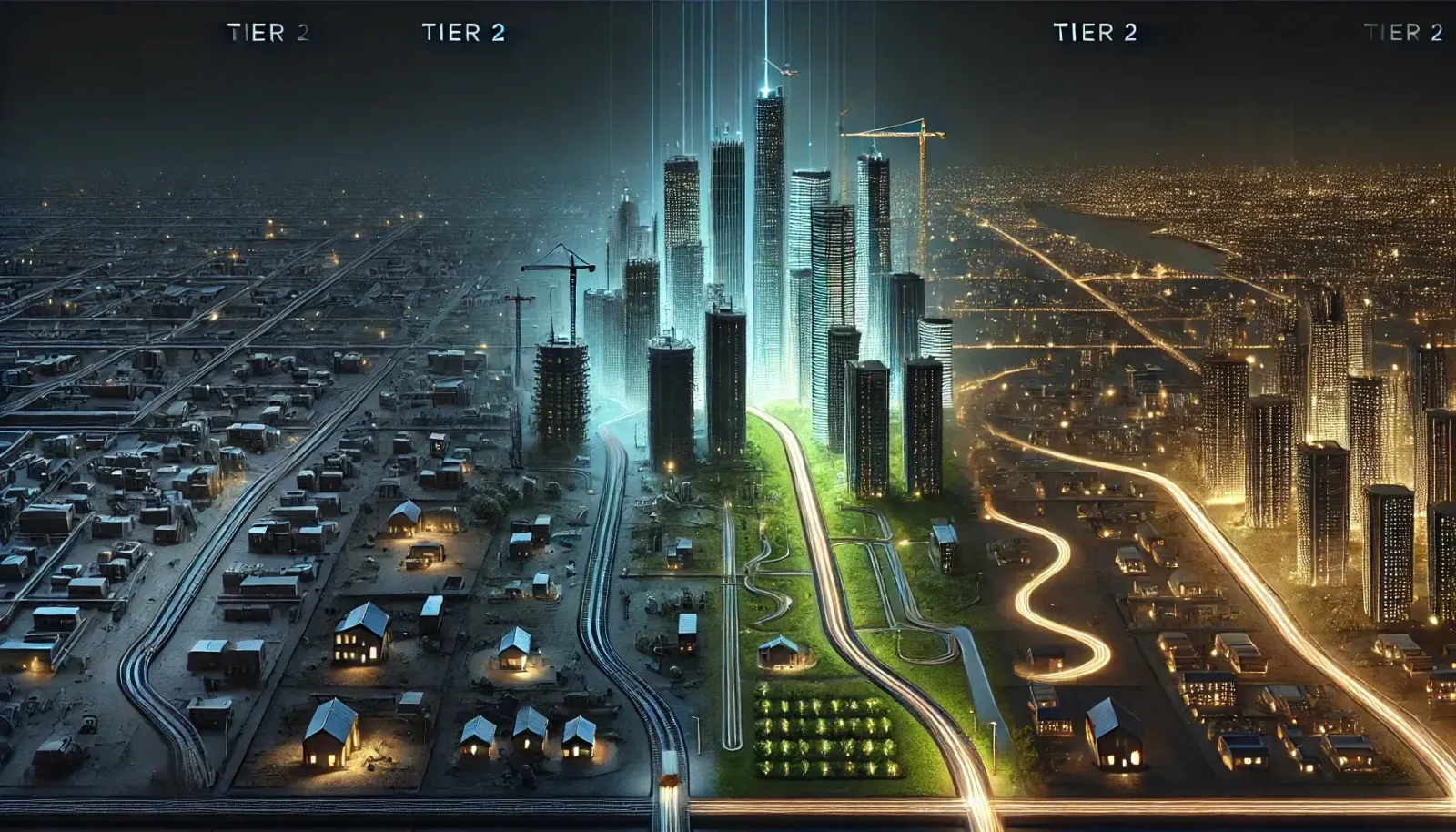
India’s political landscape is shifting as Tier-2 cities gain strategic importance ahead of upcoming elections. Political parties are increasingly focusing on smaller urban centers where growing populations, rising middle classes, and local development issues are reshaping voter priorities.
The debate around Tier-2 cities in India political strategy has intensified in recent months as national and regional parties expand their campaign presence beyond traditional metropolitan strongholds. With urbanization accelerating and millions of voters living in emerging cities, these areas are becoming decisive in shaping electoral outcomes.
Growing Political Importance of Tier-2 Cities in India
The role of Tier-2 cities in Indian elections has expanded significantly over the past decade. Cities such as Indore, Nagpur, Surat, Coimbatore, Lucknow, and Jaipur now represent large urban voter bases with distinct political priorities.
According to government urbanization estimates, India’s urban population continues to grow steadily, with much of that growth taking place outside the largest metropolitan areas. Tier-2 cities often combine characteristics of both urban and semi urban regions, creating diverse voter groups that include small business owners, government employees, students, and industrial workers.
Political strategists increasingly see these cities as swing zones. Unlike major metros where voting patterns may be relatively stable, voters in emerging cities are more responsive to issues like infrastructure development, employment opportunities, housing affordability, and education.
This mix of aspirations and local concerns has turned Tier-2 cities into important political battlegrounds.
Urban Expansion and Rising Middle-Class Voters
One major reason for the focus on urban voters in Tier-2 cities is the rapid expansion of the middle class. Over the last two decades, economic growth has created new employment opportunities in manufacturing, services, logistics, and education sectors located outside traditional metro hubs.
Cities such as Pune, Ahmedabad, Kochi, and Visakhapatnam have attracted young professionals, entrepreneurs, and students from surrounding districts. This demographic shift has produced a politically active voter base that expects better public services and transparent governance.
Many of these voters are digitally connected and actively consume political information through social media platforms and regional news outlets. Campaign messaging therefore needs to address practical issues such as transport infrastructure, internet connectivity, start up opportunities, and safety.
Political parties are adapting by designing city specific campaigns that highlight local development plans rather than only national level narratives.
Infrastructure and Development as Key Campaign Issues
Infrastructure development has become a central theme in the political strategy for emerging cities. Governments at both state and central levels have invested heavily in highway projects, metro rail systems, industrial corridors, and airport expansions in smaller urban centers.
Programs such as the Smart Cities Mission and AMRUT scheme were designed to improve urban infrastructure, water supply, waste management, and digital governance in selected cities. Many Tier-2 cities were included in these initiatives.
As a result, election campaigns increasingly revolve around visible development projects. Political leaders often highlight new roads, public transport systems, and industrial parks as proof of governance performance.
Opposition parties meanwhile focus on issues like urban congestion, pollution, housing shortages, and uneven development. This creates intense political competition in cities that were once considered secondary to major metros.
Role of Regional Identity and Local Leadership
Another factor shaping the politics of Tier-2 cities is the influence of local leaders and regional identity. In many states, strong regional figures command significant support among urban voters who identify closely with local issues.
For example, city level concerns such as water supply, public transport, university expansion, and industrial employment can dominate political discourse during elections. Local representatives often become crucial intermediaries between voters and larger political parties.
Political campaigns therefore invest in grassroots networks including municipal leaders, student organizations, trade groups, and resident associations. These networks help parties understand neighborhood level issues and mobilize voters more effectively.
Tier-2 cities also tend to reflect broader regional political trends. Shifts in voting patterns within these cities can indicate larger changes in public sentiment across an entire state.
Digital Campaigning and Youth Engagement
Digital communication has significantly transformed political campaigning in smaller cities. Internet penetration has increased rapidly across India, including in many Tier-2 and Tier-3 urban centers.
Young voters in these areas often engage with political content through short videos, local news platforms, and influencer discussions. Political parties are therefore investing in digital campaigns that target city specific audiences.
Online town halls, regional language messaging, and issue based outreach campaigns have become common tools during election seasons. This digital engagement allows parties to reach first time voters and young professionals who may not attend traditional rallies.
The growing presence of universities, coaching hubs, and technology institutes in cities such as Kota, Nagpur, and Mysuru has further expanded the youth voter base.
What This Means for India’s Political Future
The increasing importance of Tier-2 cities in India’s political landscape reflects broader social and economic changes. As these cities grow into regional economic centers, their voters are gaining greater influence over national and state level politics.
For political parties, success in emerging urban regions can determine overall electoral performance. Winning support in these cities often requires addressing both development aspirations and local governance challenges.
This shift suggests that future political strategies will continue to emphasize regional development, urban infrastructure, and youth engagement in smaller but rapidly expanding cities across India.
Takeaways
• Tier-2 cities are becoming crucial battlegrounds in India’s political strategy due to growing urban populations and diverse voter groups.
• Economic growth and the rise of the middle class have created politically active urban voters outside major metros.
• Infrastructure development projects and local governance issues dominate election campaigns in emerging cities.
• Digital campaigning and youth engagement are reshaping how political parties reach voters in these regions.
FAQs
What are Tier-2 cities in India?
Tier-2 cities are mid sized urban centers that are smaller than major metropolitan cities but still serve as important economic and administrative hubs. Examples include Indore, Nagpur, Jaipur, and Coimbatore.
Why are Tier-2 cities important in elections?
These cities contain growing populations of middle class and young voters whose political preferences can influence state and national election results.
What issues matter most to voters in Tier-2 cities?
Common issues include infrastructure development, job creation, housing, public transport, education, and local governance services.
How are political campaigns targeting these cities?
Political parties are using localized development agendas, grassroots networks, and digital outreach to connect with voters in emerging urban areas.









Leave a comment