

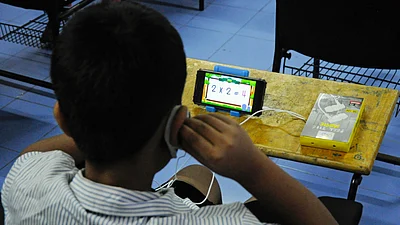
India’s Tier-2 and Tier-3 cities are no longer cultural followers—they are now shaping the country’s lifestyle trends. From fashion and gadgets to entertainment and career choices, young Indians outside metros are setting new definitions of aspiration, blending digital exposure with local pride and practical ambition.
Intent and Context: An Evergreen Social and Cultural Trend
This topic is evergreen, rooted in India’s evolving demographic and digital shifts. Over 60 percent of India’s youth now live in non-metro cities, and their habits, purchases, and aspirations are reshaping the country’s consumption and creative economy. The rise of affordable smartphones, access to global content, and local startup ecosystems have empowered Tier-2 youth to bridge the gap between aspiration and access. This new generation isn’t just mimicking metro culture—it’s curating its own.
The Digital-Native Identity of Tier-2 Youth
The defining feature of today’s small-town youth is digital fluency. According to the IAMAI Digital India 2025 report, over 65 percent of new internet users come from Tier-2 and Tier-3 cities. Platforms like Instagram, Moj, and YouTube have become creative playgrounds where small-city creators dominate engagement charts. Unlike metro users, who are saturated with trends, these creators use technology to express authenticity—local dialects, regional humor, and culturally relevant content. This digital expression is influencing everything from fashion choices to brand collaborations, as advertisers realize that Bharat’s youth represent the next 500 million online consumers.
Gadgets, Fashion, and Everyday Aspirations
Tech and fashion are the clearest symbols of aspiration in smaller cities. Young Indians in places like Indore, Nagpur, Guwahati, and Lucknow are spending more on smartphones, smartwatches, and earwear than ever before. A recent GfK India study shows that Tier-2 markets contributed 48 percent of all smartphone sales in 2024, surpassing metros in growth rate. Fashion follows a similar trajectory: influencers and boutique brands in cities like Jaipur and Coimbatore are driving local fashion ecosystems powered by Instagram and Meesho. The youth here balance practicality with aspiration—they may buy premium gadgets but mix local labels with global styling. This hybrid approach is what brands now call “India’s aspirational minimalism.”
Redefining Success: From Corporate Dreams to Independent Hustles
The idea of success among small-city youth has undergone a quiet revolution. The traditional route of a stable government or IT job is giving way to self-employment, freelancing, and creative entrepreneurship. Startups, digital marketing agencies, and creator-led small businesses are thriving in regional centers like Bhopal, Surat, and Chandigarh. Platforms such as Fiverr, Upwork, and LinkedIn have made remote work and skill monetization realistic goals. Unlike metro youth often chasing brand-name careers, Tier-2 youth are redefining ambition as financial independence, flexible work, and meaningful growth.
The Role of Pop Culture and OTT Content
OTT platforms have transformed cultural aspirations. Shows like Gullak, Panchayat, and Half CA mirror small-town experiences with nuance and pride. Tier-2 youth see themselves reflected—not caricatured—in these stories. This representation has fueled confidence and validation. Local music scenes, regional rap, and short-film competitions are further reinforcing regional creativity. YouTube and Spotify charts are now dominated by non-metro artists, proving that India’s next cultural icons will likely come from small towns.
Education, Lifestyle, and the ‘Return to Roots’ Effect
Unlike the migration-heavy mindset of the previous generation, many young Indians are choosing to stay back or return to their hometowns after studying elsewhere. Better local infrastructure, affordable living, and digital work models have made this shift possible. Tier-2 cities like Bhubaneswar and Kochi now host co-working spaces, cafes, and cultural hubs that rival those in metros. The focus has shifted from “escape” to “enhancement”—young people now want to build opportunities locally while maintaining global exposure through technology. This rooted modernity defines the Tier-2 lifestyle: proud of where they come from, yet progressive in how they live.
Influencers and the Rise of Local Icons
Regional influencers are redefining what it means to be aspirational. Unlike celebrity influencers in metros, Tier-2 creators are grounded, relatable, and often multilingual. Their content—ranging from beauty tutorials in Punjabi to tech reviews in Marathi—feels personal. Brand collaborations have surged here, with FMCG and lifestyle brands now allocating nearly 40 percent of influencer budgets to non-metro creators, according to a GroupM 2025 estimate. This localization of influence has turned small-town youth into micro-celebrities within their regions, bridging aspiration and authenticity.
What Tier-2 Youth Culture Means for India’s Future
The rise of Tier-2 youth culture represents a fundamental social rebalancing. Economic power, creative leadership, and lifestyle innovation are shifting toward smaller cities. This trend has long-term implications: decentralized employment, regional entrepreneurship, and culturally confident youth are setting the stage for India’s next wave of economic and social progress. For policymakers and brands alike, understanding this audience is no longer optional—it’s essential to staying relevant in a redefined India.
Takeaways:
- Tier-2 and Tier-3 youth are driving India’s next cultural and economic evolution.
- Digital fluency, local identity, and aspirational minimalism define their lifestyle choices.
- Self-employment and creative independence are replacing traditional career goals.
- Regional content and creators are reshaping India’s digital and cultural mainstream.
FAQs
Q: What makes Tier-2 youth different from metro youth?
A: They combine digital awareness with cultural rootedness, focusing on authenticity and affordability over imitation of metro trends.
Q: Which sectors are seeing the biggest youth-led growth in smaller cities?
A: Digital services, local fashion, content creation, education tech, and small-scale startups are booming.
Q: How are brands responding to this shift?
A: Brands are now creating regional campaigns, investing in vernacular content, and collaborating with local influencers.
Q: Is this shift sustainable or a passing phase?
A: It’s structural. As infrastructure, connectivity, and local economies grow, Tier-2 cities will anchor long-term youth-led innovation.








Leave a comment