

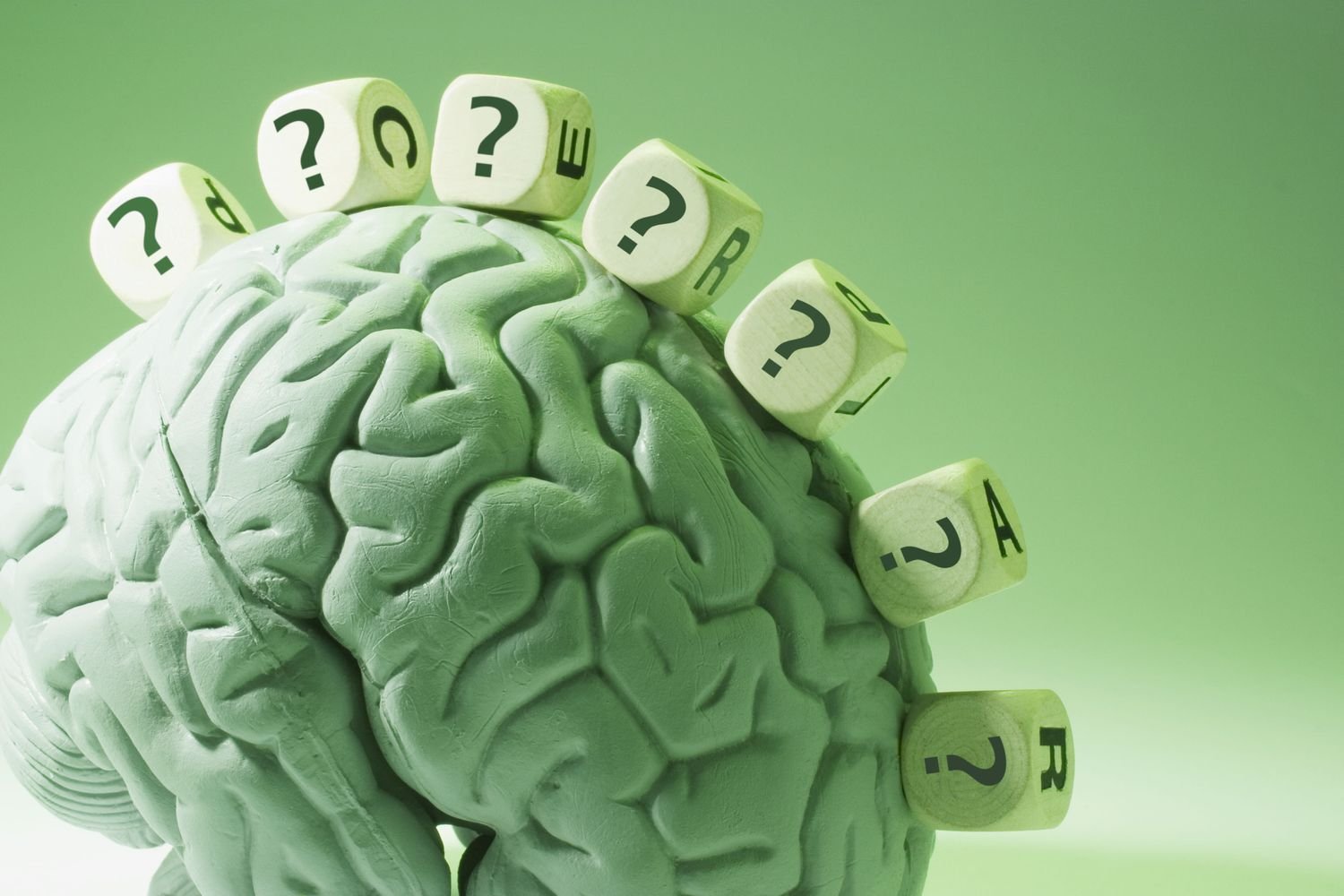
The human brain is remarkably powerful, yet it often deceives us without us even realizing it. From small daily decisions to major choices, cognitive biases and mental shortcuts subtly influence how we perceive reality. Understanding these everyday mental tricks can help people in India, especially in Tier 1 and 2 cities, navigate life more effectively, make better decisions, and improve self-awareness.
1. The Spotlight Effect
We often overestimate how much others notice our actions or appearance. Whether it’s a small wardrobe choice or a minor social slip, the brain magnifies our visibility in our minds. In reality, people are far less focused on us than we think, allowing for greater confidence in social situations.
2. Confirmation Bias
Our brains naturally seek information that confirms pre-existing beliefs while ignoring contradictory evidence. This explains why people stick to familiar opinions or news sources. Recognizing this bias is important in India’s digital age, where social media algorithms reinforce personal viewpoints.
3. Change Blindness
Even when a change occurs right before our eyes, our brain can fail to notice it. This cognitive blind spot often affects daily interactions, from missing minor updates in work reports to overlooking subtle changes in our surroundings. Awareness can improve observation skills and prevent errors.
4. The Placebo Effect
The brain can influence the body’s response to treatments or situations simply because we expect a positive outcome. Whether it’s feeling better after taking a sugar pill or experiencing relief through belief, understanding the placebo effect highlights the mind-body connection crucial in health and wellness.
5. The Zeigarnik Effect
Incomplete tasks tend to stay in our memory more persistently than completed ones. This is why unfinished work or unresolved conflicts linger in thought, often causing stress. Prioritizing task completion or consciously letting go can reduce mental clutter.
6. Cognitive Dissonance
When actions and beliefs conflict, the brain experiences discomfort. To reduce this, people often justify contradictory behaviors instead of adjusting their beliefs. Recognizing cognitive dissonance can lead to more honest self-reflection and better decision-making.
7. The Baader-Meinhof Phenomenon
After noticing something new, we suddenly see it everywhere. This explains why once you learn a new word or concept, it seems omnipresent. Understanding this helps avoid overestimating the prevalence of new trends or information.
8. Memory Distortions
Our memories are not perfect recordings but reconstructions influenced by emotions, context, and suggestions. People often misremember details or events, which can impact personal and professional relationships. Being aware of this helps in evaluating evidence and recollections more critically.
Conclusion
The brain constantly shapes our perception of reality, often in subtle and surprising ways. By understanding these eight mental tricks, individuals in India can enhance self-awareness, make more informed decisions, and navigate daily life with clarity. Being mindful of cognitive patterns is not just a psychological curiosity—it’s a practical tool for better living.












Leave a comment