

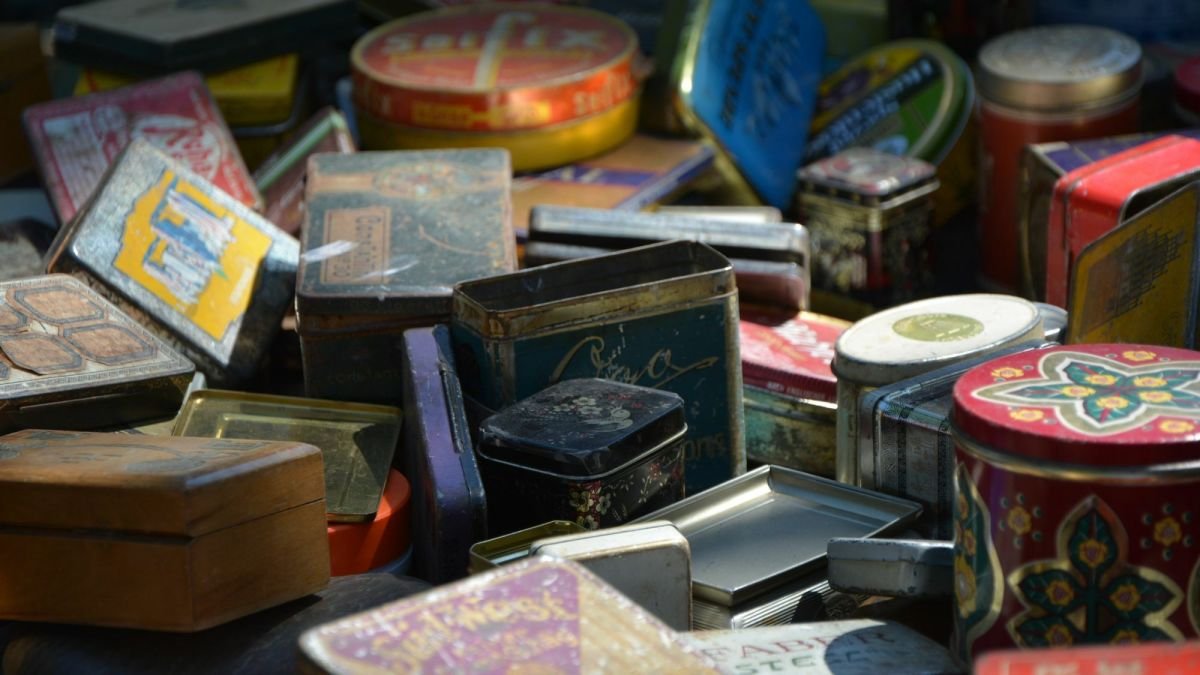
Every day, we interact with countless objects without realizing the fascinating histories behind them. From the simple pencil to the ubiquitous mobile phone, these items have evolved over centuries, shaped by necessity, innovation, and culture. Understanding their origins reveals not only human ingenuity but also how daily life in India’s Tier 1 and Tier 2 cities has transformed alongside technology and global influences.
1. The Humble Pencil
Though often taken for granted, the modern pencil has an intriguing past. Invented in the 16th century in England using pure graphite, pencils became a vital tool for education, commerce, and art. In India, pencils have played a crucial role in literacy campaigns and schooling, especially in rural regions where digital alternatives were slow to arrive.
2. The Wristwatch
Wristwatches were initially considered women’s fashion in the 19th century, while men preferred pocket watches. The shift came during World War I, when soldiers needed practical timekeeping on the battlefield. Today, watches are both functional and status symbols, with smartwatches increasingly becoming part of India’s urban tech culture.
3. The Everyday Button
Buttons were originally ornamental and rarely functional. Over time, they evolved into essential fasteners for clothing. In India, traditional garments like sherwanis and sarees incorporated buttons differently, blending utility with cultural aesthetics. The button’s journey highlights the intersection of fashion and practical design across centuries.
4. The Mobile Phone
The mobile phone’s story is a recent yet transformative one. From bulky, limited-feature devices in the 1990s to the current smartphones dominating Indian households, the evolution reflects rapid technological advancement. Today, mobile phones are central to communication, education, and commerce, particularly in Tier 2 cities where digital penetration has expanded opportunities.
5. The Umbrella
Originally a symbol of power and prestige in ancient civilizations, umbrellas protected nobility from the sun rather than rain. Over time, their practical design spread worldwide. In India, umbrellas are essential during monsoon season, showing how historical luxury items became indispensable daily tools.
6. The Safety Pin
Invented in the mid-19th century, the safety pin combined simplicity with life-changing utility. Beyond fastening garments, it has served in creative ways, from fashion to emergency repairs. In India, safety pins are commonly found in homes and markets, demonstrating how a small invention can become universally indispensable.
Conclusion
Exploring the secret histories of everyday objects shows how ordinary items have extraordinary pasts. These objects not only shape our routines but also reflect broader social, cultural, and technological trends. For people in India, understanding these stories adds appreciation for how the past continues to influence the objects that define modern life.












Leave a comment