

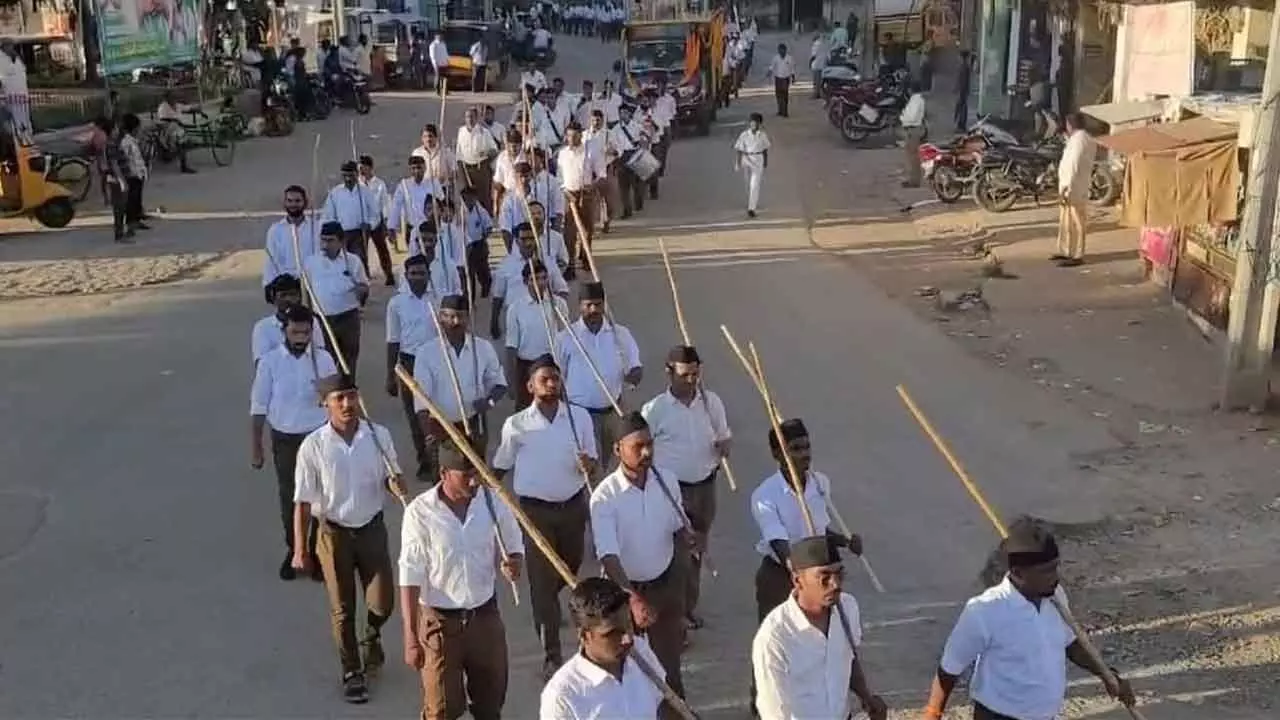
The Rashtriya Swayamsevak Sangh (RSS) centenary tour by Mohan Bhagwat in Jaipur marks a renewed push to strengthen the organisation’s grassroots network across Rajasthan. The four-day visit reflects the Sangh’s intent to expand its reach in smaller towns as it prepares for its 100-year milestone.
A Symbolic Yet Strategic Visit
Mohan Bhagwat’s visit to Jaipur this week comes at a critical moment for the RSS. As the organisation approaches its centenary, its leadership is using the occasion not just for commemoration but for recalibration. The RSS, which began in 1925, has relied on local chapters known as “shakhas” to maintain influence. Now, the focus is on reviving these units in Tier-2 and Tier-3 cities where engagement has lagged behind. The tour includes internal meetings, discussions on social initiatives, and plans to strengthen coordination among local volunteers.
Small Towns at the Core of New Mobilisation
The key takeaway from this centenary tour is the shift away from metro-centric outreach. Rajasthan’s smaller cities such as Ajmer, Bhilwara, Sikar, and Alwar are now in focus. These towns, with rising middle-class populations and expanding civic networks, represent fertile ground for the RSS’s grassroots model. The organisation is deploying senior pracharaks to monitor local activity and improve volunteer training. Shakha participation data and internal reviews are being used to target areas where the network is thin. This approach aims to build steady, long-term community presence rather than just episodic public events.
Expanding Cultural and Social Influence
Beyond organisational strengthening, the RSS is using the centenary as an opportunity to deepen its cultural footprint. Local shakhas are being encouraged to host service-oriented programmes such as blood donation drives, education camps, and environmental awareness sessions. These activities are designed to project the Sangh’s social side, particularly among youth in semi-urban regions. The approach aligns with its broader goal of creating ideological familiarity through civic participation instead of direct political messaging. The Jaipur visit highlights how such community-based initiatives are becoming central to the RSS’s public engagement strategy.
Impact on Rajasthan’s Local Dynamics
Rajasthan has long been a politically active state with strong civil-society traditions. The RSS’s renewed focus here could have ripple effects. Increased visibility in smaller towns means more volunteer-driven events, more interaction with local residents, and potentially greater alignment with regional organisations. This could influence how civic issues are debated and addressed at the local level. The RSS’s extensive volunteer network gives it the capacity to mobilise quickly during social campaigns or disaster relief operations, which in turn strengthens its legitimacy among citizens.
Message from the Leadership
Mohan Bhagwat’s speeches during the centenary tour have emphasized unity, self-reliance, and cultural rootedness. The message is being framed around collective responsibility rather than confrontation. He has urged volunteers to work for the “nation-building” agenda through local initiatives that promote social harmony. The consistent reference to “integral humanism” underscores the ideological continuity the RSS wishes to maintain as it adapts to changing demographics and digital realities. The Jaipur meetings are also being used to assess how effectively the RSS can appeal to younger audiences who are more digitally connected and socially aware.
What This Means for the Organisation’s Future
The Jaipur leg of the centenary tour provides a glimpse of the RSS’s evolving structure. The focus on small towns suggests a tactical awareness that India’s next phase of social and economic transformation will occur beyond metros. The organisation’s leadership is adapting its communication style, introducing more youth-oriented formats, and encouraging online engagement. Simultaneously, it is reaffirming the traditional shakha model as its foundational structure. If this dual strategy succeeds, the RSS could see stronger presence and loyalty in emerging urban clusters that are shaping India’s future political and cultural landscape.
Takeaways:
- The Jaipur visit marks a strategic shift in RSS’s centenary outreach toward smaller cities and semi-urban regions.
- The organisation is focusing on rejuvenating its shakha network through volunteer mobilisation and local programmes.
- Community-based initiatives are becoming the main vehicle for ideological and cultural outreach.
- The centenary year is being used as a springboard to re-establish influence in India’s evolving social fabric.
FAQs
Q: Why is the RSS focusing on smaller towns during its centenary year?
A: The organisation views Tier-2 and Tier-3 cities as vital for expanding its social influence and strengthening volunteer participation at the local level.
Q: What kind of activities are part of the centenary tour?
A: The tour includes internal reviews, volunteer meetings, cultural events, and social-service initiatives aimed at rebuilding grassroots connections.
Q: How could this affect Rajasthan’s socio-political environment?
A: Increased RSS activity in smaller towns may shape civic participation, volunteerism, and community engagement across the state, indirectly influencing local discourse.
Q: What broader message is being conveyed through the centenary campaign?
A: The leadership is promoting unity, self-reliance, and cultural awareness while adapting the organisation’s traditional methods to modern communication and urbanisation patterns








Leave a comment