

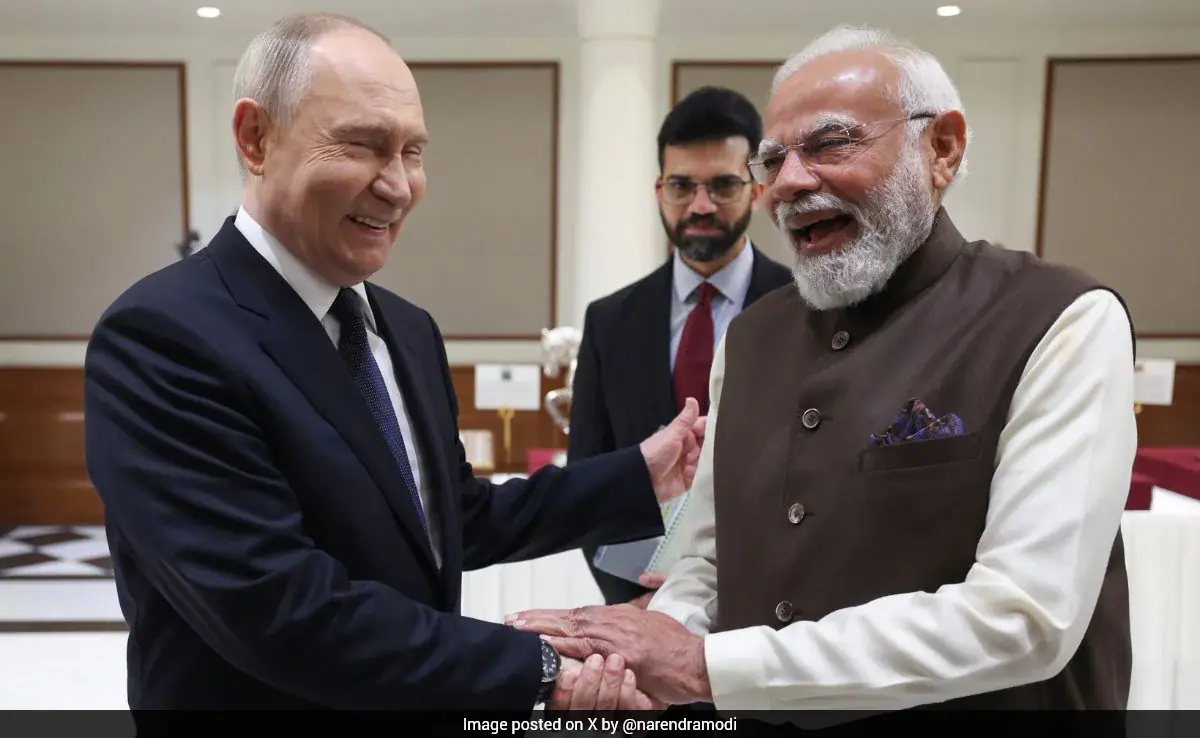
Vladimir Putins India visit is a time sensitive development and the Delhi summit could reshape trade routes that directly affect smaller manufacturing towns. The meeting carries weight for logistics, energy cooperation and market access strategies that influence production clusters across non metro regions.
Why the Delhi summit matters for India Russia trade ties
The summit arrives as both countries reassess supply chains, transport corridors and currency settlement methods. India has been working to diversify logistics channels to reduce dependence on any single trade lane. Russia is looking for stable partners in Asia as it redirects exports and investments.
For India, smaller manufacturing towns have emerged as key nodes in textiles, engineering goods, auto components and pharmaceuticals. These clusters depend heavily on predictable freight costs and consistent import availability. Any shift in trade routes that lowers transit time or stabilises costs strengthens their competitiveness.
The summit discussions are expected to touch on connectivity options through the International North South Transport Corridor and possible enhancements along the Caspian route. Faster transit between India and Russia would give medium scale industries better access to raw materials like metals, chemicals and machinery parts.
Potential impact of new trade routes on smaller manufacturing towns
Secondary keywords: connectivity improvements, freight stability
A more efficient transport corridor can cut delivery time for critical inputs that factories in Tier 2 and Tier 3 towns rely on. For example, metal fabricators, ceramic producers and engineering workshops often face delays when global shipping is disrupted. A diversified route reduces exposure to congestion in traditional maritime channels.
Logistics savings benefit smaller players more than large corporations because their margins depend on predictable freight. When transport becomes more reliable, these clusters can maintain steadier production schedules and reduce inventory costs. Manufacturers in cities like Coimbatore, Rajkot, Ludhiana, Nagpur and Jabalpur could see improved access to Russian raw materials if new agreements streamline customs protocols and multimodal handling.
On the export side, simplified routes toward Eurasia could open new demand for Indian engineering goods and agro products. Smaller exporters often struggle to reach distant markets due to documentation complexity and high shipping charges. Reduced bottlenecks improve their ability to compete.
Strategic elements of the summit that influence trade logistics
Secondary keywords: defence ties, energy cooperation
The leaders are also expected to review energy cooperation and long term arrangements for oil and gas supplies. Stable access to affordable energy is critical for smaller manufacturing clusters where power costs influence unit economics. A clearer framework for energy imports helps states manage industrial tariffs more efficiently.
The summit may evaluate opportunities for joint ventures in machinery, defence components and industrial technology. Such collaborations can bring specialised equipment or manufacturing processes to midsized Indian firms. When production capabilities expand, demand for better logistics rises and further supports route optimization efforts.
Currency settlement mechanisms are also a priority. Simplifying payments between the two countries reduces transaction costs for small exporters who currently face higher charges when trading in global currencies. Trade settlement stability improves cash flow predictability.
How local economies could adapt to changing trade pathways
Secondary keywords: manufacturing clusters, export competitiveness
If route diversification takes shape, state governments may accelerate investment in dry ports, warehousing and last mile freight services. Many Tier 2 towns already have evolving logistics ecosystems but need upgraded multimodal facilities to handle increased trade volumes.
Industrial associations in these regions may seek partnerships with Russian buyers or suppliers to leverage new access points. For example, engineering clusters could explore supply contracts with Russian firms operating in construction, mining or transport. Agricultural processors could target niche markets for packaged foods and value added farm products.
The impact will depend on how quickly agreements translate into operational corridors. A summit level commitment signals intent, but execution requires regulatory coordination and private sector participation. Smaller manufacturing towns will benefit if states integrate route changes into regional industrial strategies.
The road ahead for trade route realignment
The Delhi summit marks a potential inflection point. Both countries have strategic and economic reasons to expand trade connectivity and move toward more resilient logistics networks. India sees this as an opportunity to strengthen manufacturing outside major metros and support balanced regional growth.
For local industries, the next year will be important. If pilot shipments through enhanced corridors show time reductions, adoption will accelerate. Export councils and logistics providers will also push for harmonised procedures to ensure predictable transit.
The summit outcome could redefine how smaller towns position themselves in regional and global value chains. With supply chains still adjusting to global disruptions, an efficient India Russia corridor would give manufacturing clusters an additional competitive lever.
Takeaways
The Delhi summit aims to strengthen India Russia trade logistics
Improved routes could reduce freight time for smaller manufacturing towns
Energy and payment discussions may support stable industrial costs
Execution speed will determine the scale of regional economic benefits
FAQs
How would new trade routes benefit smaller manufacturing towns
Faster and more reliable corridors lower transport time and cost, helping factories maintain steady production and reach new markets.
Will the summit immediately change logistics patterns
Not immediately. Summit agreements outline direction, while actual corridor improvements require coordinated execution by both governments.
Can local exporters gain new opportunities from the visit
Yes. If routes are simplified, exporters of engineering goods, textiles and agro products may find Russia and Eurasian markets more accessible.
Why is energy cooperation important for manufacturing clusters
Stable energy supply and predictable costs help smaller industries manage expenses and stay competitive.










Leave a comment