

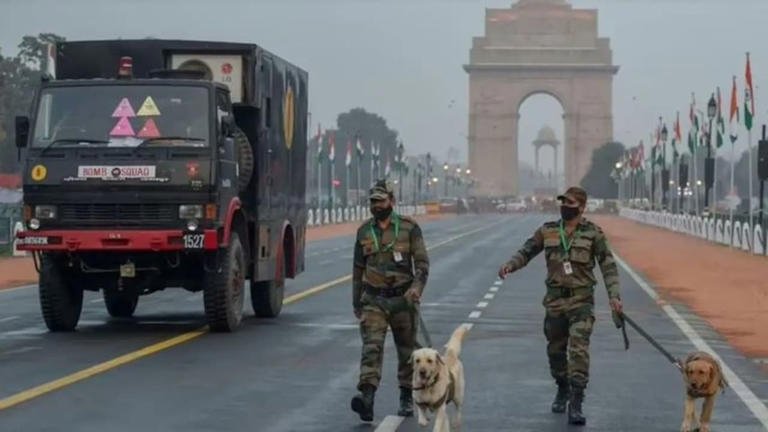
The “26-26” threat alert ahead of Republic Day has pushed security agencies to tighten surveillance across India, not just in metros but in Tier 2 and Tier 3 cities as well. The alert refers to a potential threat window around January 26, prompting heightened preparedness nationwide.
What the “26-26” Threat Alert Actually Means
The “26-26” alert is not a single confirmed attack warning. It is an intelligence-based precaution that flags Republic Day as a high-risk period due to symbolic value, public gatherings, and previous global patterns of attacks around national events. Security agencies use such alerts to activate layered preparedness rather than signal an imminent incident.
For cities beyond metros, this means aligning local police, district administration, and central agencies under a common security posture. The focus is on deterrence, rapid response, and visibility. These alerts are standard practice ahead of national days and large-scale events.
Why Tier 2 and Tier 3 Cities Are Part of the Security Focus
Non-metro cities have seen a steady rise in footfall at public events, malls, railway stations, and religious places. Republic Day celebrations in district headquarters, university campuses, and parade grounds attract large local crowds. This makes smaller cities equally relevant in threat assessments.
Another factor is infrastructure expansion. Improved highways, rail connectivity, and digital networks have reduced response time but also increased exposure. Security agencies now treat tiered cities as integrated nodes rather than peripheral zones.
Ground-Level Security Measures Being Implemented
Across smaller cities, police forces are increasing visible patrolling in markets, bus stands, and near government buildings. Temporary checkpoints are being installed on arterial roads. Vehicle verification drives are common, especially around parade routes and VIP movement zones.
Railway stations and intercity bus terminals are under tighter scrutiny with baggage checks and additional plainclothes personnel. Drone activity, where permitted, is being monitored. In some districts, local intelligence units are conducting preventive detentions based on existing records, within legal limits.
Role of Local Administration and Community Coordination
District collectors and superintendents of police play a central role during such alerts. Coordination meetings with municipal bodies, traffic police, fire services, and medical teams are routine in the days leading up to January 26. Emergency response drills are refreshed, even if quietly.
Community involvement is another layer. Shopkeepers, resident associations, and event organizers are briefed on reporting suspicious activity. Public address systems and local advisories emphasize vigilance without creating panic. The aim is awareness, not alarm.
What This Means for Daily Life in Smaller Cities
For most residents, the impact is minor but visible. Expect more police presence, occasional traffic diversions, and ID checks near sensitive zones. Large gatherings may face stricter entry protocols. Alcohol sale restrictions and drone flying bans are often enforced temporarily.
Importantly, there is no advisory to avoid public spaces. The alert is preventive. Authorities consistently stress that routine activities can continue while cooperating with security checks.
How This Fits into India’s Broader Security Playbook
Republic Day alerts like “26-26” reflect a shift from reactive policing to anticipatory security management. Intelligence sharing between states, use of digital surveillance tools, and standardized protocols across districts have improved significantly over the last decade.
Including Tier 2 and Tier 3 cities in high-alert frameworks signals recognition that national security is not metro-centric. It also ensures faster escalation if any local incident requires central intervention.
Takeaways
- The “26-26” alert is a precautionary intelligence input, not a confirmed threat.
- Tier 2 and Tier 3 cities are included due to rising public gatherings and connectivity.
- Security measures focus on visibility, coordination, and rapid response rather than lockdowns.
- Daily life continues normally with minor checks and heightened police presence.
FAQs
What does “26-26” refer to in security alerts?
It refers to January 26 as a high-risk date due to Republic Day celebrations, triggering enhanced security protocols nationwide.
Are smaller cities at higher risk than metros?
No. The risk assessment is uniform. Smaller cities are included to ensure no gaps in security coverage.
Should citizens avoid public events on Republic Day?
No. Authorities advise normal participation while staying alert and cooperating with security measures.
Why are police checks increasing before Republic Day?
Checks help deter threats, monitor suspicious activity, and ensure rapid response capability during national events.











Leave a comment