


Online shopping evolution in India is increasingly shaped by Gen Z consumption patterns and premiumisation trends in Tier 2 cities. Recent e commerce data signals that smaller cities are not just price sensitive markets anymore but emerging drivers of branded and aspirational demand.
Online shopping evolution has entered a new phase where growth is no longer confined to metro consumers. Tier 2 cities are contributing significantly to order volumes and value growth, while Gen Z shoppers are influencing what sells, how it sells and at what price point. Platform level insights over the past year show rising demand for premium smartphones, branded fashion and lifestyle electronics outside traditional urban strongholds.
This shift reflects deeper structural changes in income distribution, digital access and social media influence across India.
Gen Z Consumption Patterns Reshape E Commerce
Gen Z, typically defined as consumers born between the late 1990s and early 2010s, is now a major online shopping cohort. This generation grew up with smartphones, digital payments and social media commerce. Their purchasing behavior is research driven, trend sensitive and influenced by peer validation.
Data trends indicate that Gen Z shoppers frequently compare products, rely on reviews and engage with short video demonstrations before making purchases. Categories such as beauty, athleisure, gaming accessories and affordable luxury fashion have seen strong traction among this demographic.
Unlike earlier assumptions, Gen Z is not uniformly price obsessed. Many are willing to spend more on branded products that signal identity and status. This behavior contributes to premiumisation even in smaller cities.
Tier 2 Cities Powering Premiumisation
Tier 2 premiumisation is one of the most notable outcomes of recent online shopping data. Cities like Lucknow, Indore, Coimbatore and Bhubaneswar are witnessing rising average order values in categories such as smartphones above mid range price points, branded footwear and home appliances.
Improved logistics networks and faster delivery timelines have reduced service gaps between metros and smaller cities. Access to easy monthly installment options and digital credit has also expanded purchasing capacity.
Premiumisation does not necessarily mean luxury in the traditional sense. It reflects an upgrade from entry level to mid premium segments. For example, consumers shifting from basic feature phones to 5G smartphones or from unbranded apparel to established fashion labels.
This trend indicates growing confidence and disposable income in non metro markets.
Role of Digital Payments and Credit Access
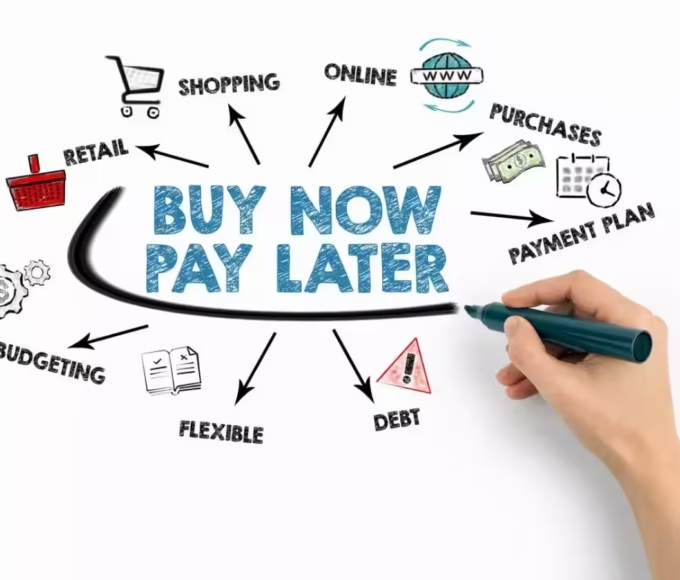
The expansion of digital payments infrastructure has enabled smoother online transactions across India. Unified Payments Interface usage and buy now pay later models have reduced friction in online purchases.
Tier 2 consumers are increasingly comfortable with digital credit. E commerce platforms integrate financing options directly at checkout, encouraging higher value purchases.
This financial inclusion supports premiumisation trends. Consumers can access products that previously required upfront lump sum payments.
Trust in online shopping has also improved due to better return policies, verified reviews and customer support mechanisms.
Social Media Influence and Trend Acceleration
Social media platforms play a central role in shaping Gen Z shopping preferences. Influencer marketing, unboxing videos and short format content accelerate product discovery.
Regional language content creators are driving demand in Tier 2 cities. Local influencers reviewing smartphones, cosmetics or fashion brands create relatability and trust.
Flash sales, festive promotions and limited edition launches are amplified through social media engagement. This digital word of mouth accelerates adoption cycles.
Brands now tailor campaigns to micro regions, combining national branding with localized messaging. This strategy strengthens premium perception even in emerging markets.
Category Wise Growth Patterns
Electronics remain a leading category in online shopping evolution. Mid to high range smartphones, wireless earbuds and gaming devices show consistent demand growth in Tier 2 cities.
Fashion and beauty categories are expanding rapidly, especially among younger consumers. Branded sneakers, streetwear and skincare products are increasingly popular.
Home improvement and small appliances have also recorded steady growth, reflecting post pandemic lifestyle adjustments and increased home investment.
Grocery and essentials remain strong volume drivers, but premium packaged goods are gaining share in urbanizing Tier 2 markets.
Operational Shifts in E Commerce Strategy
E commerce companies are recalibrating supply chain strategies to meet rising Tier 2 demand. Warehousing networks are expanding beyond metro clusters to reduce delivery time.
Data analytics guide inventory allocation. Platforms anticipate demand spikes during festive seasons and tailor promotions for specific regions.
Personalized recommendations based on browsing behavior enhance conversion rates. Loyalty programs encourage repeat purchases among Gen Z shoppers.
The focus is shifting from pure customer acquisition to lifetime value optimization.
Long Term Implications for Retail
The convergence of Gen Z patterns and Tier 2 premiumisation suggests a durable transformation in India’s retail landscape. As younger consumers gain income stability, their brand preferences may solidify.
Offline retailers are also adapting by expanding into smaller cities with premium product lines. The boundary between online and offline retail continues to blur through omnichannel strategies.
India’s online shopping evolution is therefore not only about higher transaction volumes but about qualitative shifts in consumer aspiration and purchasing power.
Takeaways
Gen Z is a key driver of online shopping evolution in India
Tier 2 cities are showing clear signs of premiumisation across categories
Digital payments and credit access support higher value purchases
Social media and regional influencers accelerate product adoption
FAQs
Q1. What is driving premiumisation in Tier 2 cities?
Rising disposable income, better logistics, digital credit access and aspirational consumption are encouraging consumers to shift toward higher value products.
Q2. How does Gen Z influence online shopping trends?
Gen Z relies on reviews, influencer content and digital discovery, shaping demand for branded and identity driven products.
Q3. Are Tier 2 consumers still price sensitive?
Price sensitivity remains, but many consumers are willing to pay more for perceived quality, brand value and advanced features.
Q4. Which categories are growing fastest online?
Smartphones, fashion, beauty, gaming accessories and small home appliances are showing strong traction among younger buyers.










Leave a comment